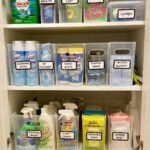
These home cleaning recipes run from a 20-minute stovetop simmer to an overnight soak, and the right one depends on whether you need a surface you can use immediately or can let chemistry work while you walk away.
1. Oven Cleaner
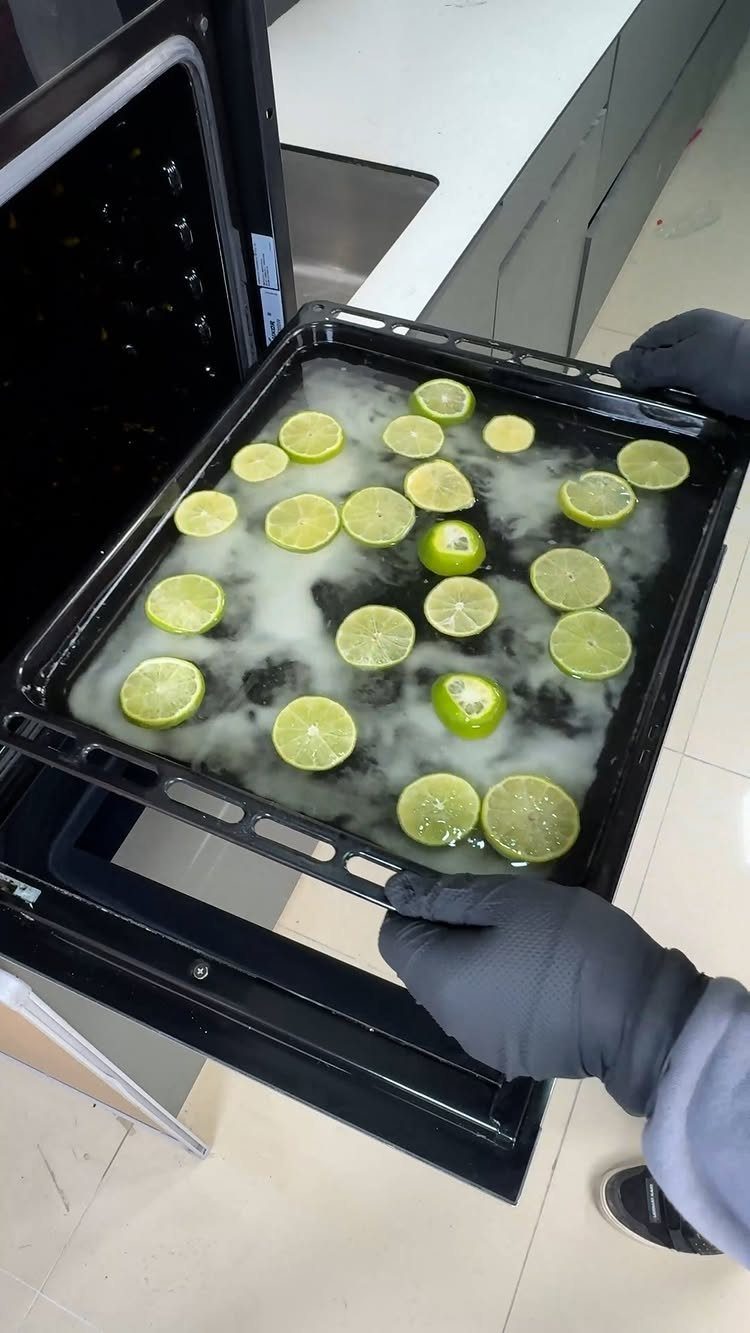
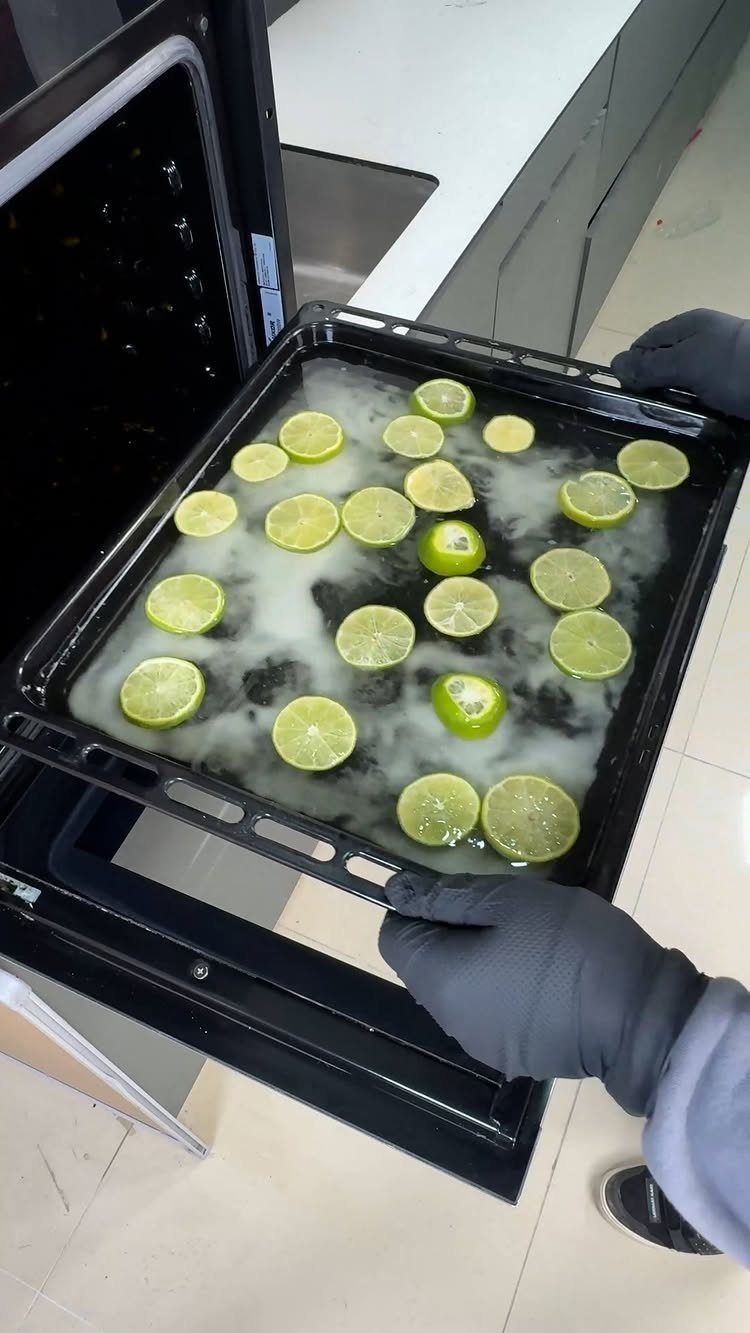
A baking tray of water and sliced limes heats inside the oven to loosen grease without the fumes of commercial spray. I like this method for light maintenance between deeper cleans, not for a door caked in years of buildup.
The steam does the work, so the limes are mainly for scent; plain water with a little white vinegar performs about the same.
Check that your oven manual allows steam cleaning, some older models trap moisture where it corrodes the element. I would skip this if the oven has a self-clean cycle that already works, that ash method handles heavy soil faster.
2. Toilet Bowl Cleaner
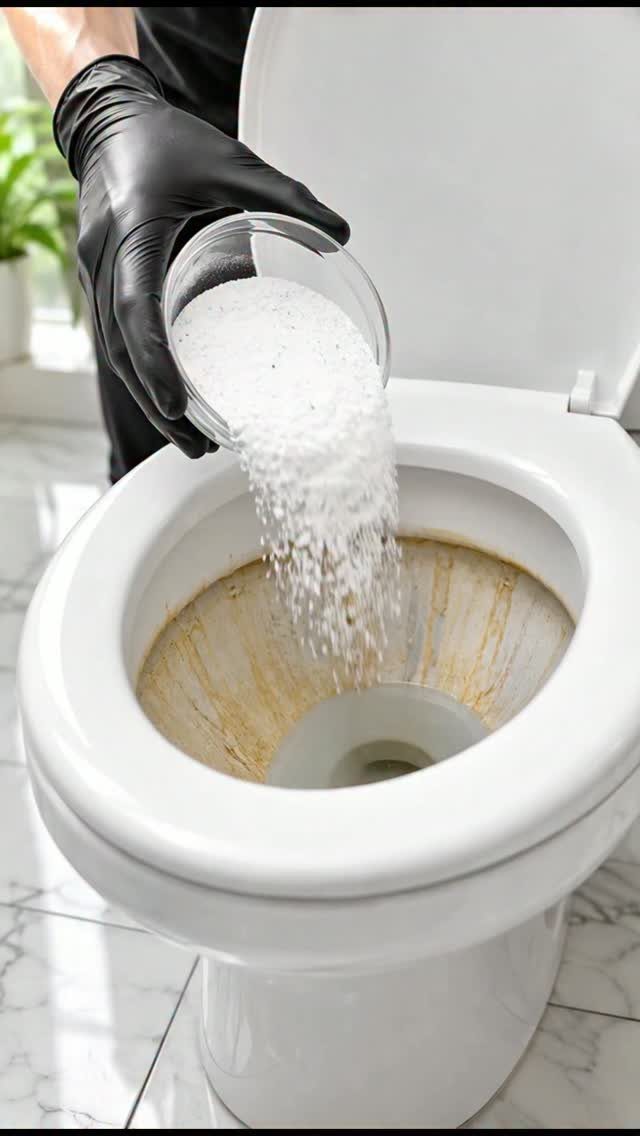
A powder of dry ingredients drops straight into the bowl to scrub stains without a brush full of synthetic dye.
I reach for this when the water line has that faint ring and I want to walk away while chemistry handles the stain, not when the bowl needs immediate use.
The powder needs time to sit before you scrub, and it works slower than bleach-based tabs.
Check that your toilet seal and internal parts are brass or plastic, not rubber, since tank tablets and some in-tank powders degrade rubber flappers faster than liquid formulas that stay in the bowl.
For a stained rim under the water line, I would still use a pumice stone first, then maintain with this.
3. Air Freshener
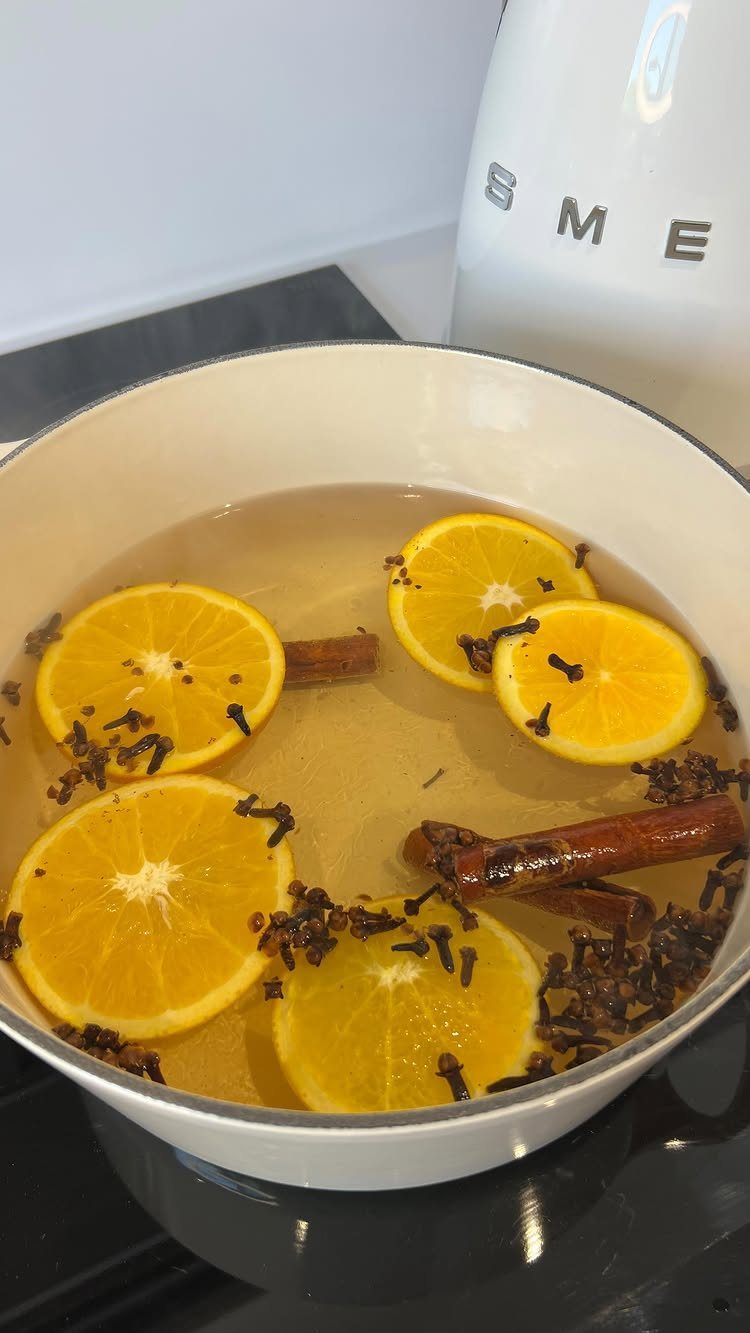
A pot of water, orange slices, cinnamon sticks and whole cloves simmers on the stove to scent a kitchen without aerosol or plug-in residue.
I set this up when I have company coming and the house smells closed up, not as a daily system, the water evaporates and needs watching.
The heat releases the oils fast, so 20 minutes on low does what hours of reed diffusers manage. Check that your pot has enough depth to simmer without boiling dry, and keep it off a burner you will forget.
I would choose this over stovetop methods with essential oils, those can leave a film on the range hood that attracts grease.
Benefits of Natural Cleaners
A homemade cleaner cuts out the phosphates, chlorine, and nitrates that irritate skin and respiratory systems and can disrupt hormonal balance.
That matters most in a kitchen or bathroom where ventilation is poor and you are standing right over the surface.
I reach for these recipes when a client has young children or a family member with asthma, because the residue left behind is gentler.
The environmental argument is straightforward: biodegradable ingredients do not contribute to water pollution the way synthetic formulas do. But I would not call every natural option harmless.
Lemon juice in an open cut stings, and some essential oils trigger skin reactions. The real win is knowing exactly what is in the bottle, not assuming the word "natural" means you can skip gloves.
Cost is where homemade options pull ahead over time.
A box of baking soda and a jug of white vinegar cover dozens of jobs for less than a single specialty spray. The upfront investment is small, and the ingredients store for months.
Safety Precautions
Every new cleaner, store-bought or mixed at home, gets tested on a hidden corner first.
I learned that habit after a vinegar solution dulled a marble vanity that looked fine at first glance. Test on a spot you can’t see, then check back for discoloration or etching before you touch the rest of the surface.
Gloves are non-negotiable when you are working with bleach, ammonia, vinegar, or hydrogen peroxide.
These agents do not stop being chemicals because you mixed them yourself. I keep a dedicated pair for cleaning and replace them when they thin or crack.
Ventilation matters more than people think. A bathroom with the door closed traps fumes from even mild acids, and the irritation builds slowly enough that you do not notice until your eyes water.
I open a window or run the exhaust fan before I start, not after I smell something.
Bleach gets mixed with water only, full stop.
The combination with ammonia, vinegar, or even some toilet bowl powders releases toxic gas faster than you can leave the room. I keep bleach separate from my homemade supplies entirely, stored on a different shelf to avoid a mistake.
Storage Tips
A clear 1-quart Pyrex measuring cup is what I use for mixing, because the red markings stay readable after years of vinegar exposure and the pour spout keeps drips off the counter.
Plastic squeeze bottles work better than spray bottles for pastes and scrubs; the fine-mist bottles are only worth it for thin liquids that need even coverage.
Label everything with the date and what is inside.
A month later, "clear liquid" could be water, vinegar, or peroxide, and guessing wrong has consequences. I write the recipe on masking tape and stick it to the bottle, then peel and replace when I refill.
Store homemade cleaners out of direct sunlight and away from heat. The plastic in most spray bottles degrades faster than glass would, and oils in some formulas turn rancid.
Sunlight breaks down these mixtures fast, so a dark cabinet beats a windowsill every time, and anything that clouds or separates goes straight in the trash.
For scrubbing, a beechwood-handled fiber brush with stiff natural bristles outlasts sponges and does not hold bacteria the way cellulose does. Rinse it well and dry it handle-up.
Frequently Asked Questions
How can I make my own disinfectant spray at home?
For a DIY disinfectant that actually works, I use a 1:1 mix of water and 91% rubbing alcohol in a spray bottle, which keeps the alcohol concentration above the 60% threshold most hard surfaces need for real disinfection.
This ratio works for light-duty sanitizing on countertops and doorknobs, but it will not cut heavy grease or soap scum and I do not pretend it will.
The alcohol evaporates fast, so it works best on a surface you can let air-dry for 30 seconds.
What are the top cleaning products for home?
Baking soda, white vinegar, and castile soap cover most jobs at a fraction of specialty spray prices.
I like that both store for months and the residue does not linger the way synthetic sprays do, which matters when a client has kids or anyone sensitive to fragrances.
Can baking soda and salt be used for cleaning?
Yes, both work well, especially together as an oven scrub. Mix equal parts into a paste with water, spread it on the oven walls, and let it sit 5 minutes before wiping.
I would keep the paste off heating elements and wiring, and for really baked-on grime I would switch to washing soda for half the baking soda, it is stronger but needs gloves.