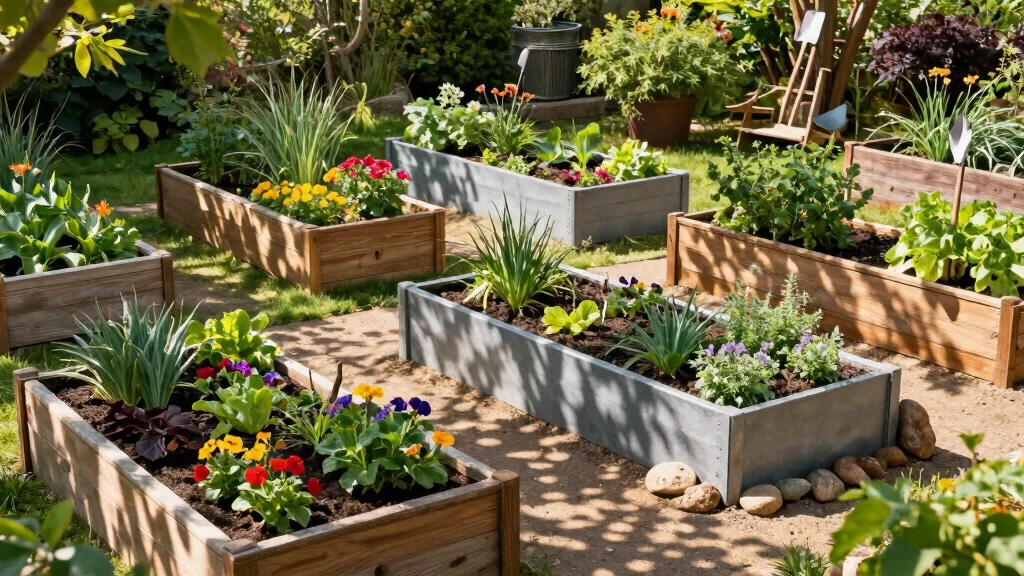
Creating an outdoor space that blooms with life and beauty isn’t just a dream; it can be your reality. With the rise of urban gardening and sustainable living, outdoor raised garden beds have become a go-to for anyone looking to make the most of limited space. This post is designed to inspire you with 17 innovative elevated garden bed ideas that blend functionality with smart layouts, perfect for your backyard or patio.
If you love getting your hands dirty and want to cultivate your own vegetables, herbs, or flowers, this guide is for you. Whether you’re a seasoned gardener or just starting out, you’ll find creative solutions tailored for small spaces. These designs not only maximize your gardening potential but also enhance your outdoor décor, making your yard a delightful retreat.
In this article, you’ll discover a variety of raised garden bed designs, from vertical solutions to custom-built options. Each idea is crafted to help you grow your garden while making the most of available space. Get ready to explore layouts that are not only practical but also add charm and personality to your home. Let’s dig in and find the perfect elevated garden bed that suits your style and needs!
Key Takeaways
– Diverse Designs: Explore 17 unique outdoor raised garden bed ideas that suit various styles, from vertical solutions to rustic wooden beds.
– Space-Saving Solutions: Discover how to maximize limited outdoor areas with innovative layouts, ensuring you can grow your favorite plants without sacrificing space.
– Sustainability Focus: Learn how raised garden beds contribute to sustainable gardening practices, promoting healthier plants and reducing environmental impact.
– Practical Tips: Gain actionable gardening tips that apply to each design, helping you cultivate a lush garden while keeping maintenance manageable.
– Community Engagement: Find out how you can collaborate with local gardeners and create a community garden, fostering connections while enjoying the gardening experience.
1. Vertical Garden Solutions
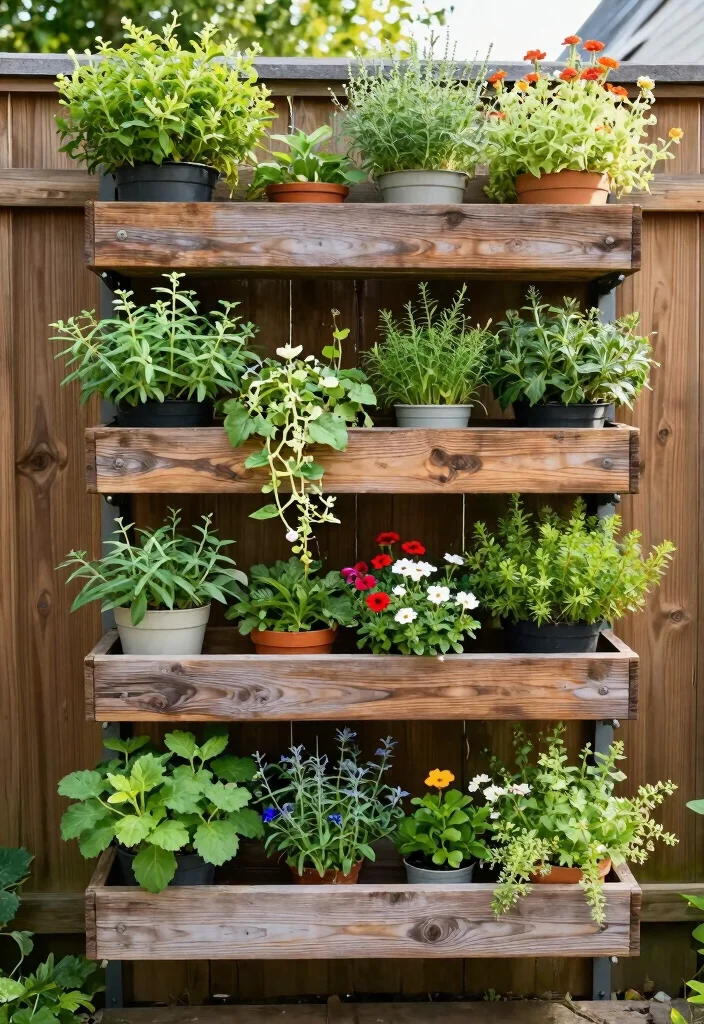
Embrace the charm of vertical garden beds to revolutionize your gardening experience! These creative designs allow you to cultivate plants upwards, conserving valuable ground space while adding stunning visual appeal. Picture climbing beans, strawberries, or vibrant blooms arranged in tiers, catching sunlight beautifully while drawing the eye to their unique display.
Implementing vertical gardens is straightforward and rewarding. Consider using wall-mounted planters or trellises that can accommodate multiple pots. Repurposing old pallets or ladders can also create striking vertical arrangements, merging functionality with artistry in your outdoor space.
Consider these actions to enhance your vertical garden:
– Pair wall-mounted planters with colorful trailing vines.
– Install a trellis for climbing vegetables like peas or cucumbers.
– Use recycled materials to create a rustic vertical display.
– Incorporate herbs in smaller pots for easy access and fresh cooking.
This thoughtful design not only maximizes space but also introduces layers and textures, enriching your garden’s overall aesthetic.

Multifunctional Design: This garden planter is separated into two growing areas for different plants or planting methods. The baffle can be removed to form a bigger growing area.
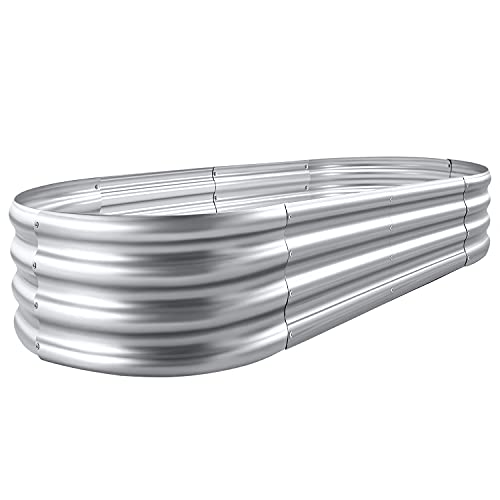
Each raised metal garden bed size: 4×2×1ft ,7.14Cu

SIZE: The plant bed measure is 23.6"L x 23.6"W x 11.8"H. This round planter box provide ample growing space to raise vegetables, flowers and plants.
2. Custom Built-In Raised Beds
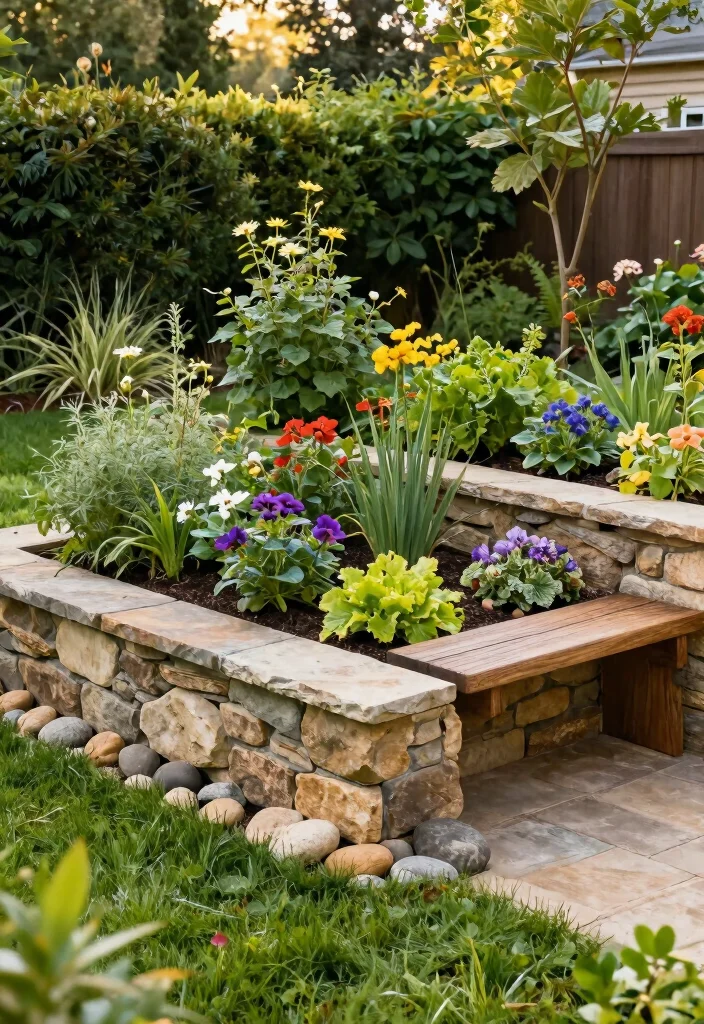
Elevate your outdoor space with the elegance of custom built-in raised garden beds. These permanent installations seamlessly blend into your landscape, offering a sophisticated touch. Whether crafted from wood, stone, or brick, these beds create a defined planting area that enhances the visual appeal of your backyard.
To make the most of these built-in beauties, select materials that harmonize with your home’s architectural style. Consider adding seating around the beds for cozy gatherings, and design pathways for easy access during maintenance.
Keep these tips in mind for your custom beds:
– Choose durable, weather-resistant materials for longevity.
– Incorporate benches for relaxation and aesthetics.
– Add pathways between beds to facilitate care and harvesting.
This approach not only beautifies your garden but also invites you to enjoy your outdoor space more fully, creating an inviting atmosphere for friends and family.


【Package included】:Crafted from robust hollow steel, this garden stakes features a fade-resistant green plastic coating, offering reliable protection against wind, rain, and rust. This Trellis for Climbing Plants Outdoor comes complete with everything you need to get started: 17pcs metal stakes, 8pcs T shape connect pipe, 2 A-shaped connectors, and a 0.9x1.8meter bird net.

【Rust-Resistant Material】: Cucumber trellis is constructed with high-quality galvanized steel inner pipes and an exterior plastic coating, forming a dual-layer rust-proof barrier to ensure long-lasting durability
3. Herb Spiral Garden Beds
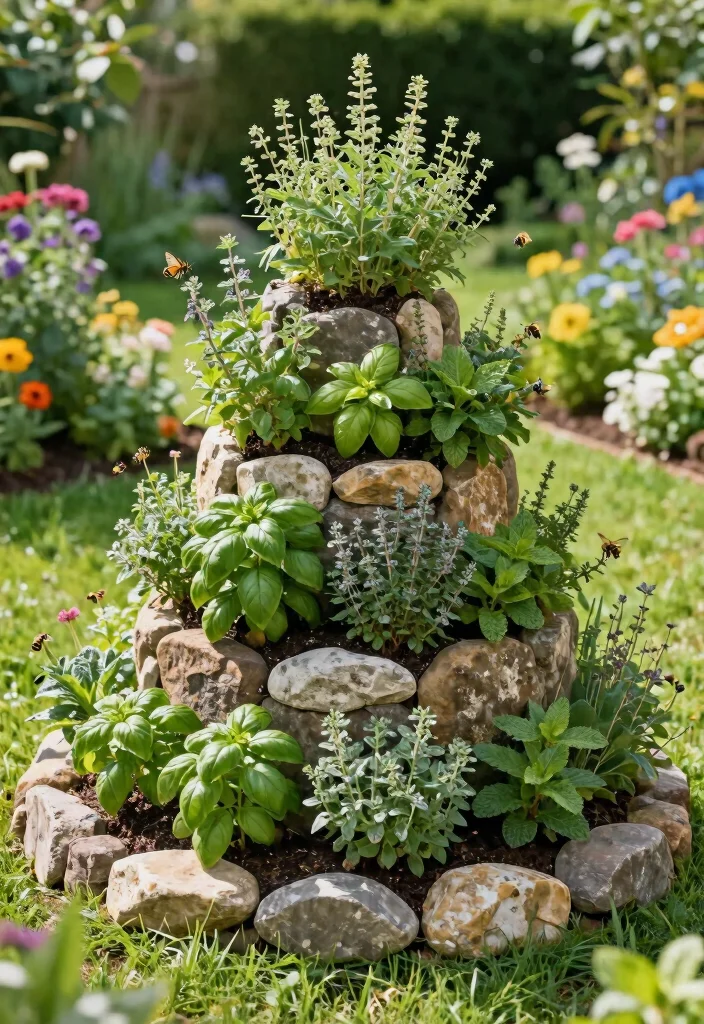
Unleash your creativity with herb spiral garden beds! This innovative design allows you to grow a variety of herbs in a compact spiral formation. By utilizing vertical space, herb spirals create distinct microclimates, ensuring the diverse needs of your plants are met—sunlight for the tops and moisture for the bottoms.
As you embark on this gardening adventure, consider constructing your spiral with stones or bricks for stability. Position your creation in a sunny location, and select a mix of herbs that thrive in varying conditions.
Here are some practical steps to create your herb spiral:
– Use natural stones for a sturdy structure.
– Position the spiral in a sunlit area for optimal growth.
– Incorporate herbs like basil, mint, and parsley for diversity.
Imagine harvesting fresh herbs while adding a stunning focal point to your garden. This design not only provides delightful culinary ingredients but also attracts pollinators, enriching your garden’s ecosystem.

【 Vertical Planter Raised Beds with Trellis】Perfect for home gardening lovers, this vertical herb garden planter indoor kit with 4 rectangular planter boxes outdoor let you plant vegetables, herbs, and flowers in separate flower pots while the 11-inch trellis supports climbing plants like tomatoes, strawberries, vines, and peppers. The raised flower beds outdoor create an optimal environment for your plants to thrive.

Generous Planting Space: Ample bed space provides your plants and vegetables with room to thrive, promoting healthy growth and robust yields.
📹 Related Video: This is how You build a Herb Spiral!
4. Elevated Planter Boxes
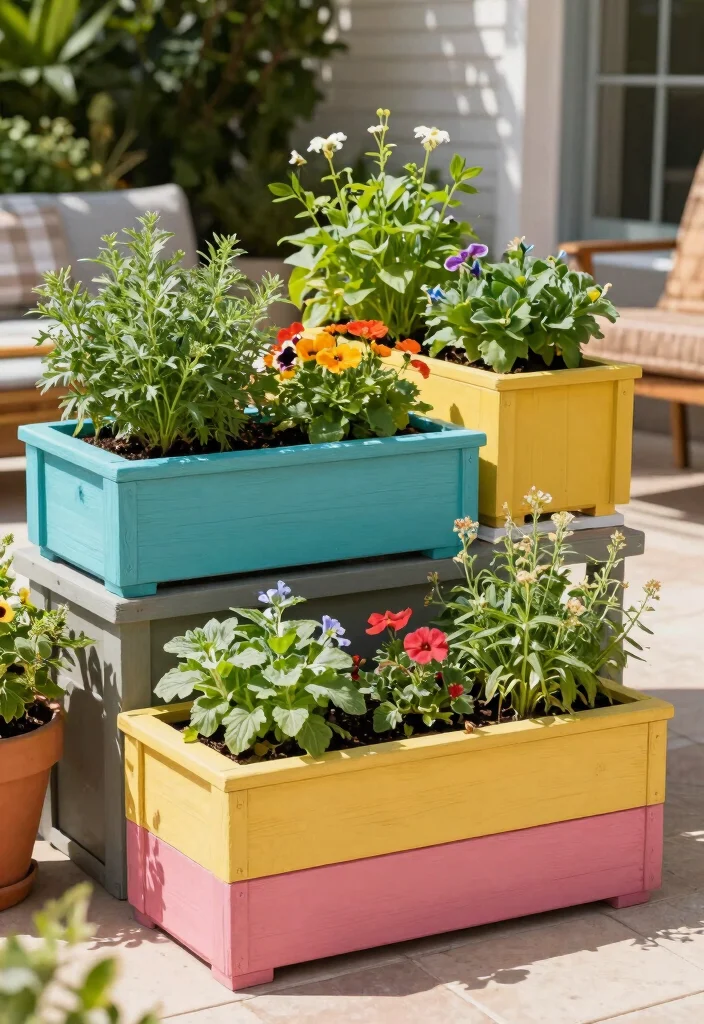
Elevated planter boxes are the perfect blend of style and practicality. These versatile garden beds can be placed anywhere, from your backyard to a cozy patio. With adjustable heights, they make gardening accessible for everyone, especially those who prefer not to bend down.
To ensure your elevated boxes thrive, customize them with proper drainage and liners. Paint them in vibrant colors or match them with your home’s exterior for a cohesive look that enhances your garden’s charm.
Explore these ideas for your elevated planter boxes:
– Use wooden boxes for a classic touch.
– Paint them in bold colors for a fun pop.
– Add drainage holes to keep your plants healthy.
– Incorporate herbs or flowers for visual delight.
This approach not only elevates your garden’s design but also enhances accessibility, allowing you to enjoy gardening without the strain.

Farmhouse Wagon Charm: Vintage wagon-style planter box and Antique carbonized finish with wishing well style farmhouse farmhouse charm appeal to your garden or patio while providing an elevated growing space for plants

✅ Premium Stainless Steel Construction for Long-Lasting Durability: Made of high-quality stainless steel, these raised garden bed corner brackets offer superior strength, sturdiness, and stability to securely hold wooden garden bed frames together. The heavy-duty build supports long-term outdoor use without bending, warping, or breaking, making them ideal for heavy garden soil and planter boxes.

Garden Planter Boxes: Our rustic raised planter offers three wooden flower boxes, so you can organize plants by type (flower, herb, and vegetable), color, or soil requirement.
5. Stackable Garden Beds
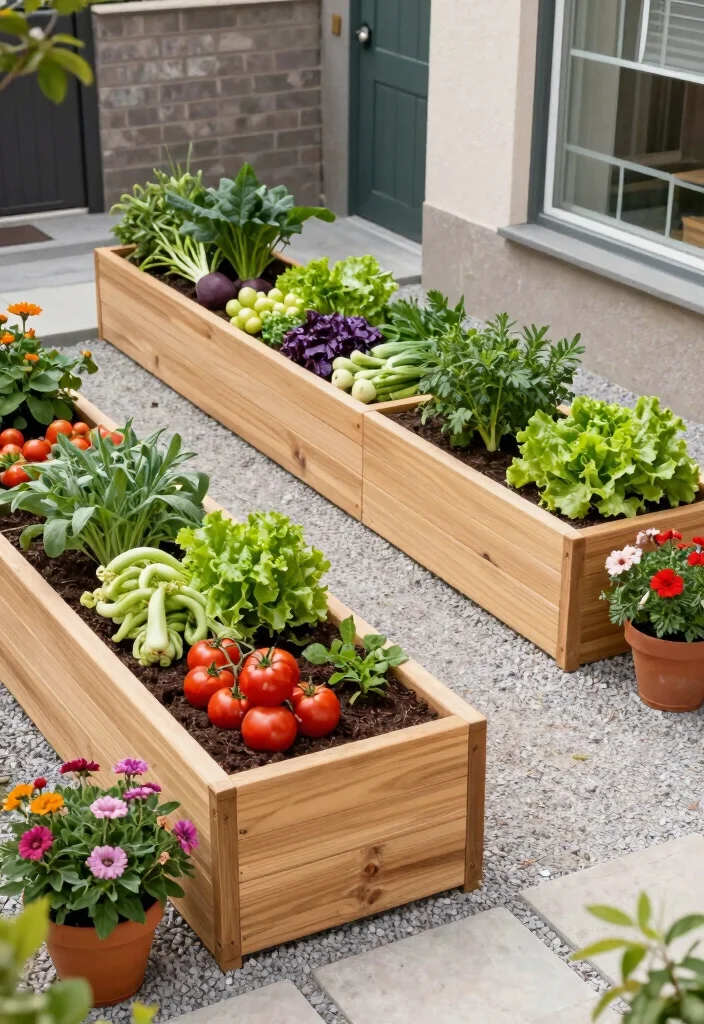
Stackable garden beds offer a flexible solution for maximizing your gardening potential! These adaptable structures can be easily arranged and rearranged to suit your space and preferences. Often made from modular materials, they allow for easy expansion as your gardening ambitions grow.
For practical implementation, customize the height and layout based on your planting needs. Stackable beds work well for a variety of plants, providing deeper sections for root vegetables and shallower ones for herbs.
Here’s how to make the most of stackable beds:
– Arrange sections to create varied heights for visual interest.
– Use lightweight materials for easy adjustments.
– Fill deeper sections with root vegetables like carrots.
– Plant herbs in shallower beds for easy access.
Transform your outdoor space into a vibrant garden oasis with these versatile beds, making it easy to experiment with different plants and layouts.
Fun fact: A two-tier stackable garden bed can double your growing space in a small patio. It keeps soil accessible and makes it perfect for outdoor raised garden beds.


Size: 60×29×11 in, 68 gallons of soil required.
6. Corner Garden Beds
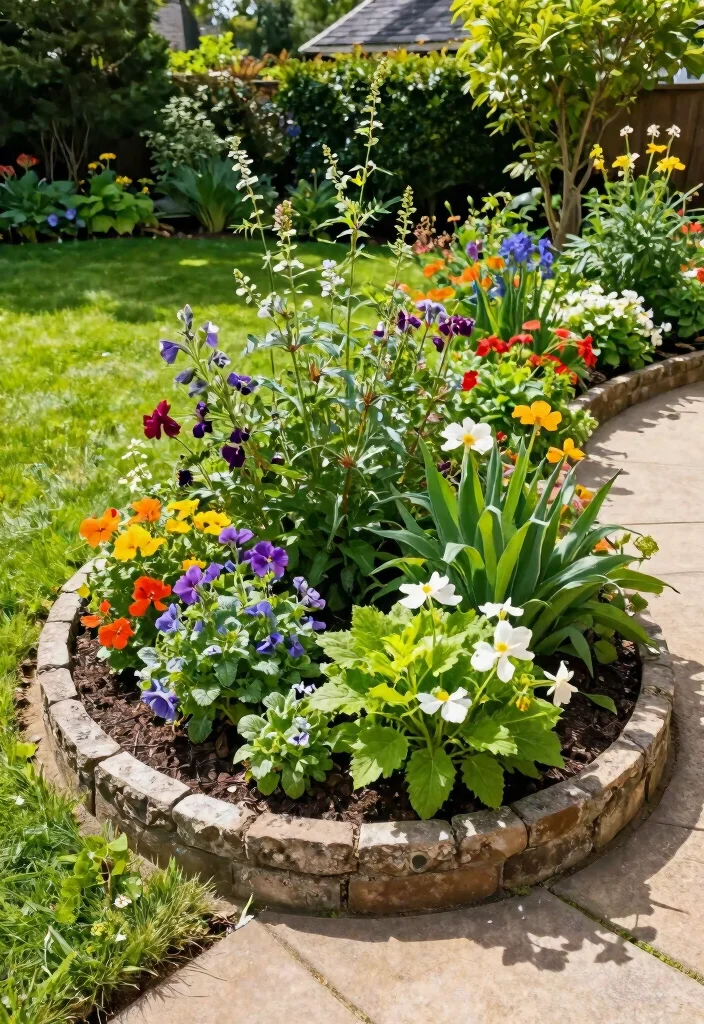
Transform those awkward corners of your yard into lush garden havens with corner garden beds! These creative spaces make the most of overlooked areas, allowing for diverse plant growth while keeping your garden organized. They snugly fit into corners, providing a vibrant garden without occupying too much room.
When designing your corner beds, think about customizing their shape—triangular or circular—to fit your unique space. Use decorative edging to enhance their appearance, and plant complementary species that thrive together.
Consider these tips for your corner garden beds:
– Customize shapes to fit your specific corner.
– Use decorative stones or wood for a polished look.
– Fill with companion plants for better growth.
Creating corner beds not only adds visual interest but also surprises visitors with bursts of color in unexpected places, enhancing your garden’s charm.

High-Quality PE Material with Drainage Hole: Crafted from durable and flexible PE material, these grow bags are built to withstand outdoor conditions without cracking. The bottom drainage hole provides essential airflow to roots and prevent overwatering and root rot, ensuring your plants thrive in a well-aerated environment.

More suitable raised garden bed size and Volume:67"L x 20"W x10"H, 7 Cu. Ft. You can cultivate plants, like vegetables, flowers, herbs in your patio, yard, garden, and greenhouse.

Key Trade-offs & Our Top Pick
Choosing the right elevated garden bed can be tricky, especially with so many options available. Let’s break down a few popular choices to help you find the best fit for your needs.
Option 1: Vertical Garden Solutions
– Pros:
– Space-efficient design maximizes small areas.
– Easy access to plants at different heights.
– Can be visually stunning, enhancing outdoor aesthetics.
– Cons:
– Limited soil volume may restrict plant growth.
– Requires regular watering due to fast-draining design.
– Can be expensive to set up initially.
– Best for: Urban gardeners with limited space looking to add greenery without taking up too much ground area.
Option 2: Custom Built-In Raised Beds
– Pros:
– Tailored to fit your specific garden space.
– Can be made from various materials like wood, metal, or stone.
– Sturdy and durable, providing longevity.
– Cons:
– More time-consuming to design and build.
– May require additional tools and skills for assembly.
– Higher upfront cost for quality materials.
– Best for: DIY enthusiasts who want a personalized garden solution that complements their backyard design.
Option 3: Elevated Planter Boxes
– Pros:
– Ideal for those with limited mobility, reducing bending and kneeling.
– Provides great drainage and airflow for plants.
– Often less expensive than custom solutions.
– Cons:
– Limited growing space might restrict plant variety.
– Requires consistent maintenance to avoid soil depletion.
– Can be susceptible to pests if not properly managed.
– Best for: Gardeners who want a practical solution to grow herbs or vegetables without strain on their bodies.
Option 4: Stackable Garden Beds
– Pros:
– Versatile design allows you to adjust height and structure.
– Easy to assemble and disassemble for seasonal changes.
– Ideal for small spaces while promoting crop rotation.
– Cons:
– Stability can be a concern, especially in windy areas.
– Limited soil depth for root-heavy plants.
– May require regular monitoring to maintain balance.
– Best for: Apartment dwellers or renters who want flexibility in their gardening setup without committing to a permanent structure.
Option 5: Tiered Garden Beds
– Pros:
– Aesthetic appeal adds visual interest to your garden.
– Better drainage and access to sunlight for all plants.
– Can create micro-climates benefiting various plant types.
– Cons:
– More complex to build than traditional beds.
– Might require more soil and plants to fill effectively.
– Can be hard to maintain if not designed well.
– Best for: Gardeners looking to showcase diverse plants in a unique way while maximizing limited space.
Best Overall: Vertical Garden Solutions
Vertical garden solutions stand out as the best overall choice for most gardeners. They offer incredible value for money, especially in urban settings where space is at a premium. Their ease of use makes them accessible for beginners and experienced gardeners alike. Plus, their versatility allows you to grow a wide range of plants vertically, giving you more options for your garden layout.
Why We Picked This:
While vertical gardens are great for limited spaces, others might prefer custom built-in beds for their durability or tiered beds for their unique design. Consider your gardening style and available space when making your decision. Each option has its benefits and can fit different gardening needs, so choose what works best for you!


Garden Trellis Size for Raised Beds: This 48" L x 48" H cucumber trellis for raised bed adjusts from 16" to 26" wide, fitting many 4 ft raised garden beds. Use it as a trellis for raised garden bed layouts to save ground space while guiding vines upward.

【HIGH COST PERFORMANCE】Besides the frame trellis, we also provide multiple accessories for your need.Includes 8 x panel trellis, 12 x screw, 6 x ground stakes,20Pcs cable zip ties,a pair of gloves.You may assemble the unit according to the picture.It can also be combined into your favorite or suitable shape.
7. Pallet Garden Beds
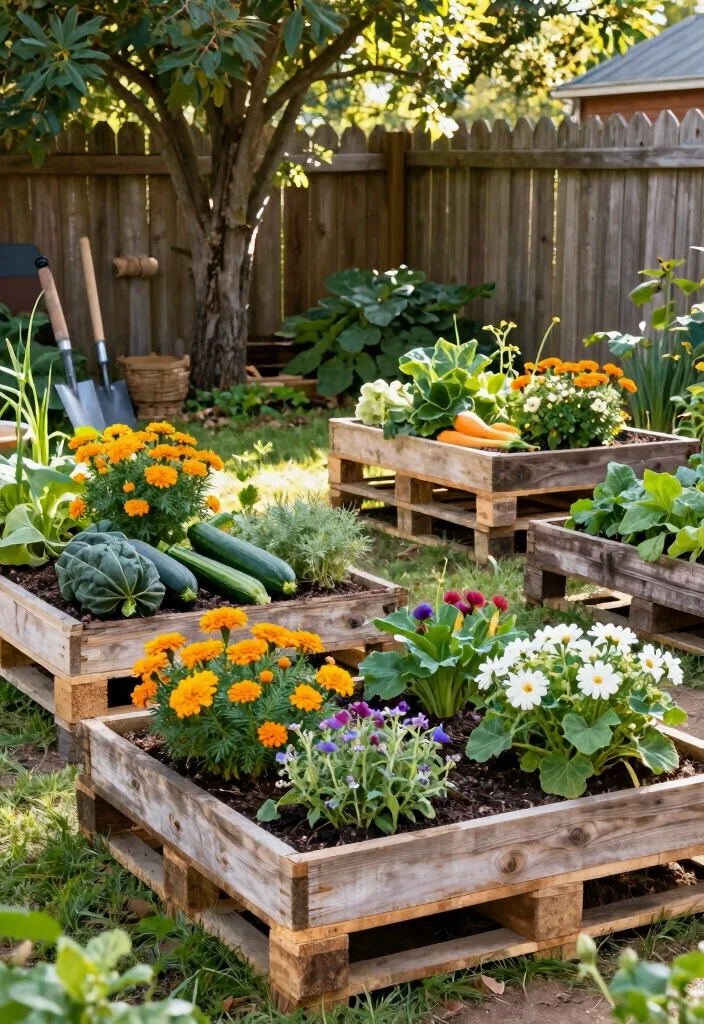
Breathe new life into old pallets by transforming them into delightful garden beds! This budget-friendly DIY project adds rustic charm to your outdoor space, allowing for creativity in your gardening approach. Pallet beds can be laid flat for traditional planting or stood upright for a vertical garden effect, maximizing your garden’s potential in a playful way.
For best results, sand down any rough edges to prevent splinters. Line the inside with landscape fabric to retain soil, and consider using multiple pallets for larger, varied beds.
Try these steps for successful pallet garden beds:
– Sand edges for safety and aesthetics.
– Line pallets with fabric for soil retention.
– Use multiple pallets for height variation.
Imagine a garden bursting with colorful blooms and fresh produce from your repurposed pallets, showcasing your creativity while promoting sustainability.
Fun fact: pallet garden beds can slash the cost of outdoor raised garden beds by half while fitting into tiny spaces. Sand them smooth, line with fabric, and you’ve got a stylish, vertical or flat setup ready for a thriving, budget-friendly harvest.

💐SPACIOUS PLANTING SPACE: Raised garden bed with legs, 23.6“Lx10.6"Wx17.7" H inches, planting box size: 23.6“Lx10.6"Wx5.9" H,100 capacity, with drainage holes. Provide ample growing space to raise vegetables, herbs, flowers, and plants.

Square Tube Construction - The outdoor elevated planter box on wheels is made up of a powder-coated metal square tube frame and a waterproof fabric box, suitable for long-term indoor and outside use. Tested for durability, the square tube is stronger and less likely to break under heavy loads, supporting up to 400 pounds.

Solid Fir Wood: The raised garden bed is made of non-painted fir wood, known for its strength and stability. The thick solid boards are polished with smooth surfaces and no burrs or wood splinters
8. Tiered Garden Beds
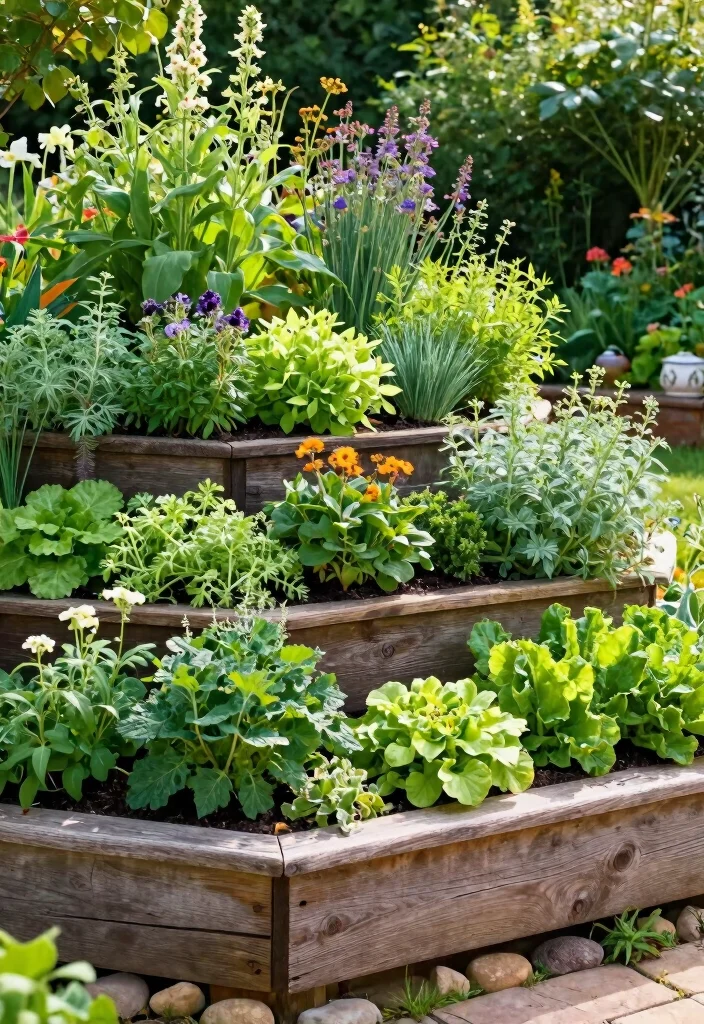
Tiered garden beds are an excellent way to introduce dimension and visual appeal to your outdoor space. By stacking sections of plants, you can achieve a stunning cascading effect that is both functional and attractive. These beds can be tailored in height and size, accommodating a variety of plant types for a diverse garden.
Consider the aesthetic benefits of tiered beds, as they not only create depth but also promote improved drainage, reducing water pooling at the base. They are perfect for showcasing different plants at various heights.
Here are some ideas for tiered garden beds:
– Use timber or stone for a natural look.
– Create levels to display a mix of plants.
– Ensure proper drainage for healthy growth.
This design elevates both the beauty and functionality of your garden, making it a focal point of your outdoor space.

[Large Rectangular Garden Bed]: Boasting 48" x 24" x 10" planting space, the raised garden bed allows you to cultivate a diverse array of plants, including vegetables, flowers, fruits or herbs. Therefore, you can create a thriving garden.

More suitable raised garden bed size and Volume:67"L x 20"W x10"H, 7 Cu. Ft. You can cultivate plants, like vegetables, flowers, herbs in your patio, yard, garden, and greenhouse.

【Washed Antique White Style】Crafted with a charming washed antique white finish, this garden cart planter offers ample space to nurture a variety of plants. Its generous dimensions provide a safe and spacious home for your flowers, herbs, and vegetables. Designed with practical drainage holes, it promotes healthy root systems by preventing waterlogging and root rot.
9. Modular Garden Beds
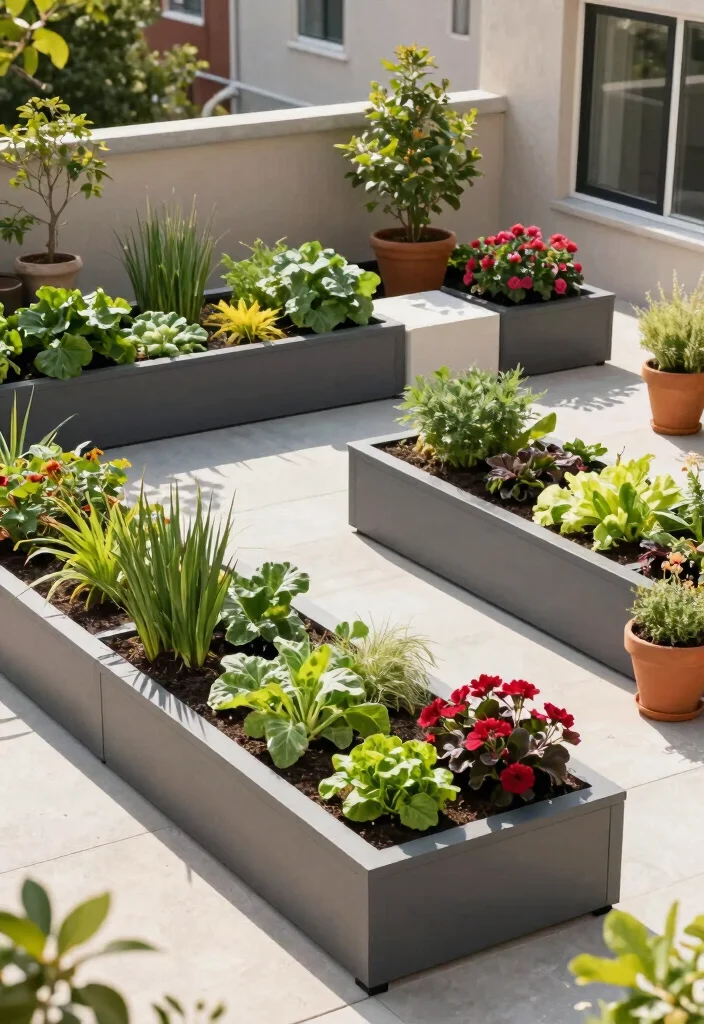
If flexibility is what you need, modular garden beds present an exciting option. These adaptable structures can be reconfigured into various shapes and sizes, catering to your gardening needs. Made from materials like plastic or metal, they are easy to move and customize to fit your space perfectly.
To maximize their potential, enjoy rearranging your garden layout as your plants grow or as seasons change. Modular beds encourage creativity and experimentation, allowing for a dynamic gardening experience.
Utilize these features for your modular garden beds:
– Rearrange layouts based on plant growth.
– Easily assemble and disassemble for seasonal changes.
– Choose durable materials for lasting use.
Imagine the joy of transforming your garden with versatile modular beds, providing both practicality and artistic expression in your gardening journey.

MOBILE GARDEN ON WHEELS — Two all-terrain wheels and an ergonomic handle let you roll a 200+ lb planted bed wherever sunlight goes. Move your garden across patio, balcony, or backyard in minutes.

Size: 60×29×11 in, 68 gallons of soil required.

4x2x1 FT Raised Garden Bed: Oval galvanized steel raised garden bed with a 12-inch internal growing depth, ideal for outdoor ground-level vegetable and herb gardening
10. Raised Beds with Built-In Seating
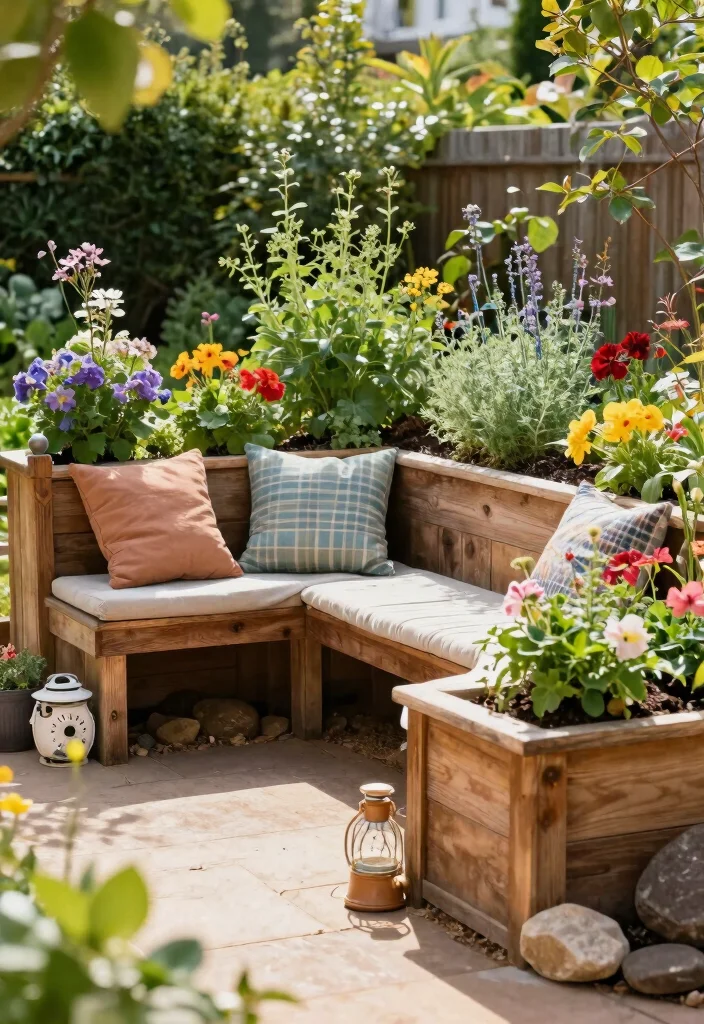
Enhance your gardening experience by integrating raised beds with built-in seating! This thoughtful design invites you to relax and enjoy the serene beauty of your plants while tending to them. Made from materials like wood or stone, these versatile structures can be tailored to match your personal style.
To create a cozy atmosphere, consider adding cushions for comfort and selecting low-maintenance plants around the seating area for added color and texture. This approach encourages gathering with family and friends, fostering a connection to nature and each other.
Explore these ideas for your raised beds with seating:
– Incorporate cushions for enhanced comfort.
– Surround seating with colorful, low-maintenance plants.
– Design seating to complement your garden’s style.
This design not only beautifies your outdoor space but also promotes relaxation, making your garden a delightful retreat.
Fun fact: Outdoor raised garden beds with built-in seating can fit 4–6 people in a compact corner, turning any small space into a cozy retreat. With wood or stone, cushions, and low-maintenance plants, you get stylish seating and easy gardening in one smart setup.
11. Colorful Painted Raised Beds
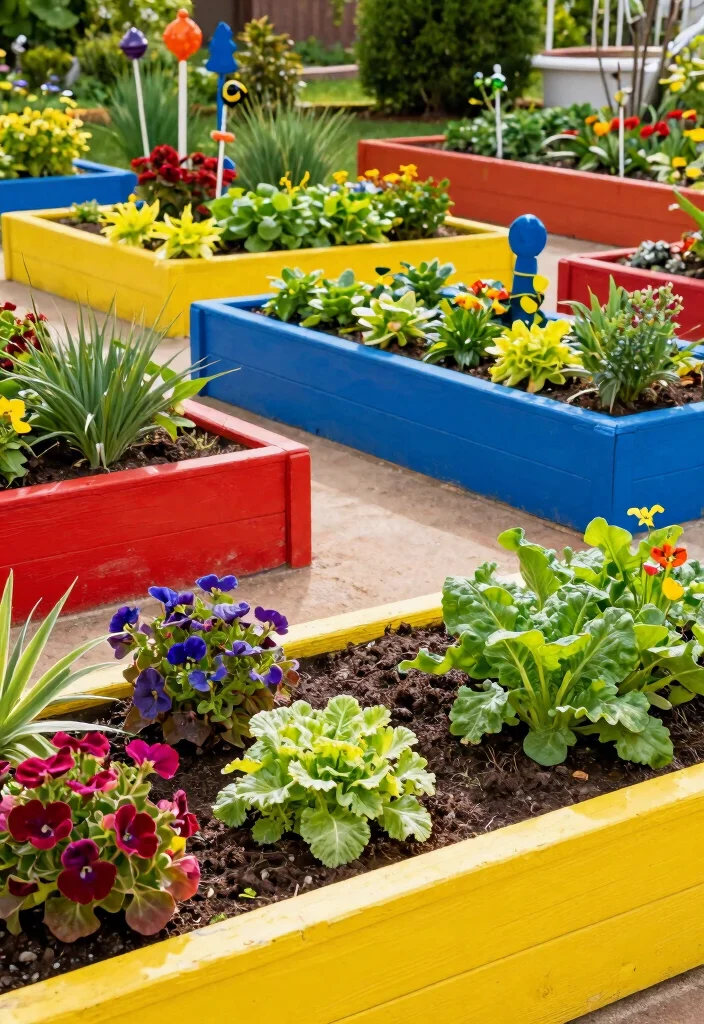
Brighten up your garden with colorful painted raised beds! Choosing vivid hues or unique patterns adds a personal touch that transforms your outdoor area into a vibrant showcase of creativity. This playful approach can help distinguish different sections of your garden, making plant tracking easier and more enjoyable.
When painting your beds, opt for weatherproof paint to ensure durability. Experiment with fun patterns like stripes or polka dots, and coordinate colors with your home’s exterior for a cohesive look.
Consider these painting ideas:
– Use weatherproof paint for long-lasting results.
– Experiment with cheerful patterns to express your style.
– Coordinate colors with your home for a unified appearance.
Imagine your garden alive with color, where each painted bed tells a story, inspiring joy and creativity in your gardening adventures.
12. Compact Round Raised Beds
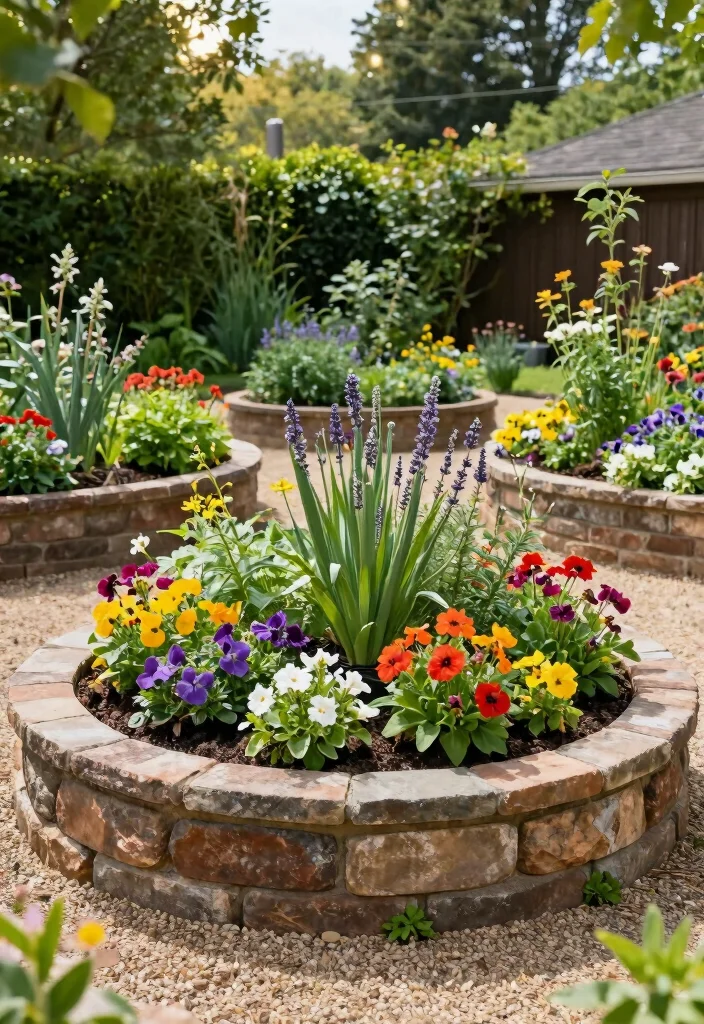
For those with limited space, compact round raised beds offer a unique and efficient gardening solution. These circular beds can be placed almost anywhere, providing ample room for flowers or vegetables without taking up too much area. Their rounded shape encourages dynamic planting arrangements, resulting in a beautiful display.
Round beds are space-efficient, making them perfect for patios or small yards. They also allow easy access to all plants from the center, making maintenance a breeze.
Consider these benefits of compact round beds:
– Perfect for small spaces and urban gardens.
– Easy access from the center for convenient care.
– Unique shape adds variety to your garden layout.
Imagine planting vibrant herbs or flowers in these charming beds, surrounded by decorative stones or mulch to enhance their visual appeal, making gardening both accessible and delightful.
13. Rustic Wooden Raised Beds
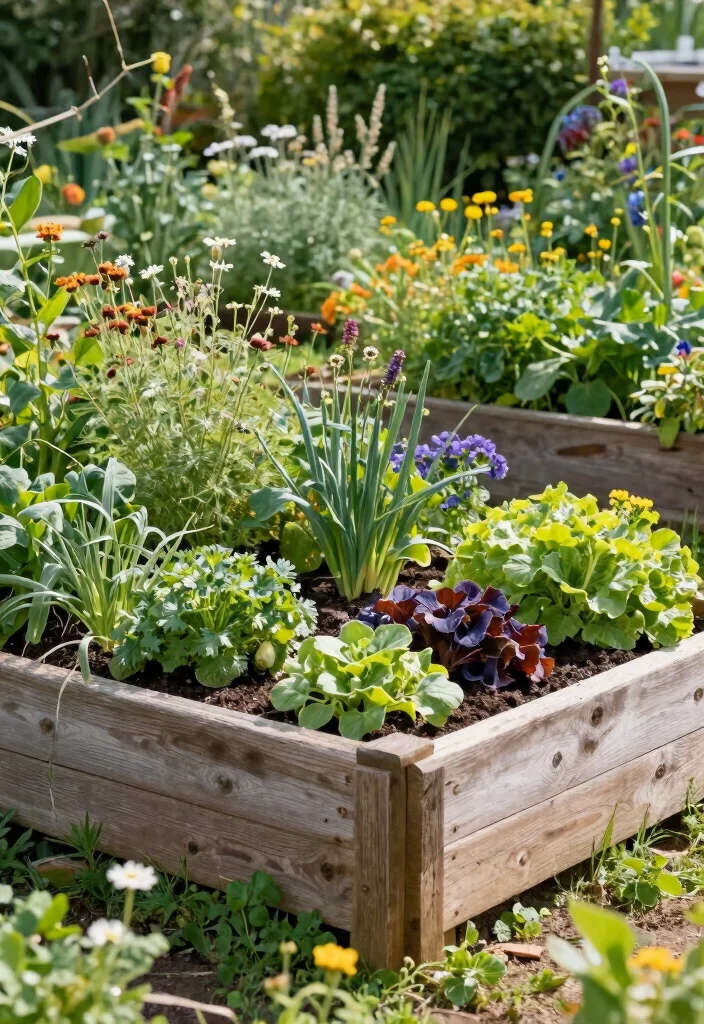
Celebrate the natural beauty of rustic wooden raised beds! These charming structures evoke a warm farmhouse feel and can be constructed from reclaimed wood, making them an eco-friendly choice for your garden. The rich wood tones beautifully contrast with the vibrant greens of your plants, creating an inviting atmosphere.
For construction, use untreated wood to prevent chemical leaching into the soil. Incorporate varied heights to create a dynamic appearance, and finish with a protective coating to ensure longevity.
Here are some tips for building rustic beds:
– Use untreated wood for safety and health.
– Vary heights for visual interest and accessibility.
– Apply a protective finish for durability.
Surround your rustic beds with native plants or wildflowers to enhance the organic feel of your garden, highlighting sustainability while creating a charming outdoor space.
14. Low Maintenance Raised Beds
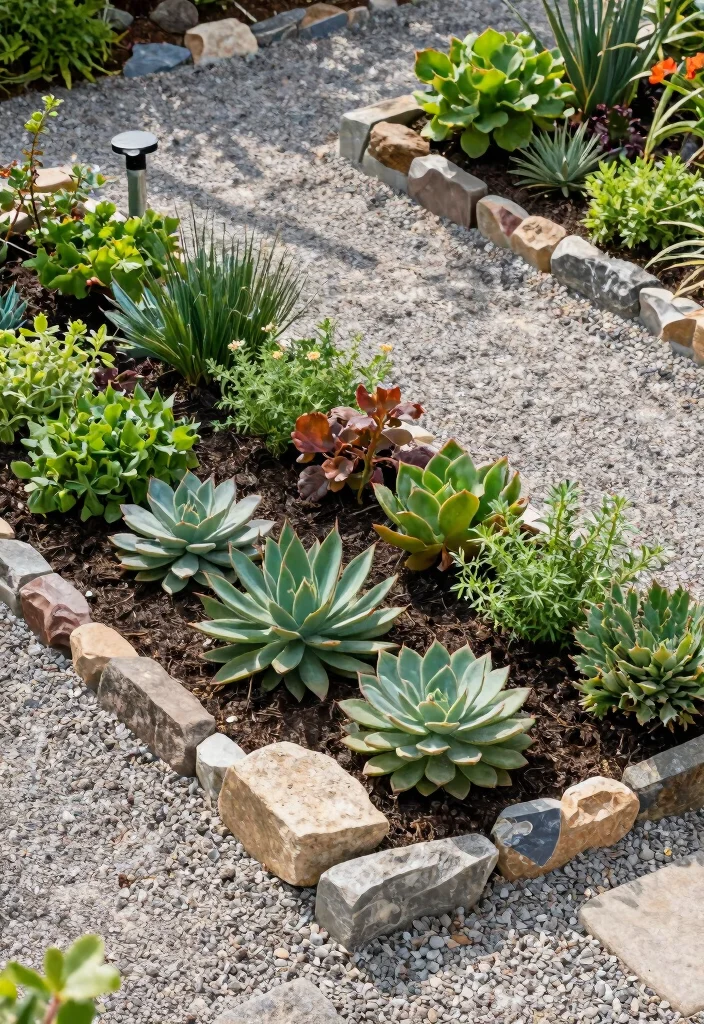
For those with busy lives, low maintenance raised beds are a dream come true. These structures are designed to require minimal upkeep while still yielding beautiful plants. By selecting hardy varieties and integrating smart watering solutions, you can enjoy a flourishing garden without constant labor.
To achieve low maintenance success, choose drought-tolerant plants and incorporate mulch for moisture retention. Consider designing self-watering systems that simplify care and allow you to enjoy your garden without stress.
Here are some tips for low maintenance gardening:
– Choose drought-resistant plants for easy care.
– Use mulch to retain soil moisture and reduce weeds.
– Implement self-watering systems for hassle-free gardening.
Imagine a garden that thrives with minimal effort, allowing you to savor the rewards of fresh produce and vibrant flowers without the time commitment.
15. Garden Bed Edging
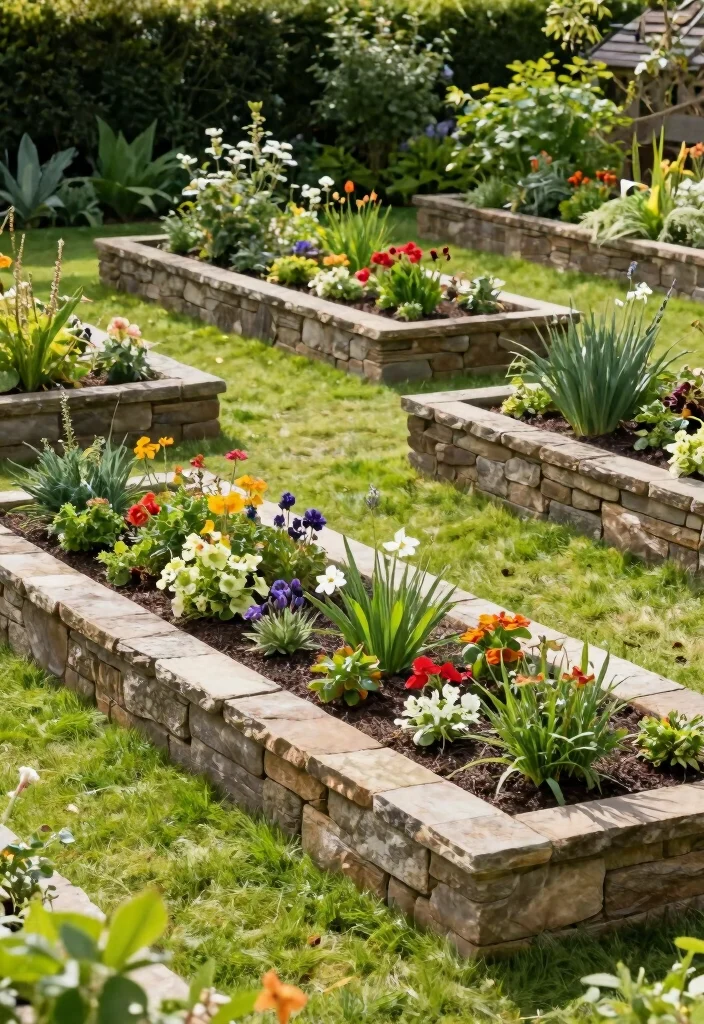
Garden bed edging is an excellent way to define your raised beds while enhancing the overall look of your outdoor spaces. By selecting materials like stones, bricks, or decorative metal, you can create a polished appearance while keeping soil and mulch contained.
Consider using recycled materials for an eco-friendly touch. Choose colors that complement your garden’s theme, and incorporate natural wood for a rustic vibe that invites warmth.
Explore these edging ideas for your garden beds:
– Use recycled materials for an eco-conscious option.
– Select colors that enhance your garden’s overall design.
– Incorporate natural wood to add a charming rustic touch.
The right edging not only beautifies your garden beds but also helps keep grass and weeds at bay, making maintenance simpler and more enjoyable.
16. Garden Bed Accessories
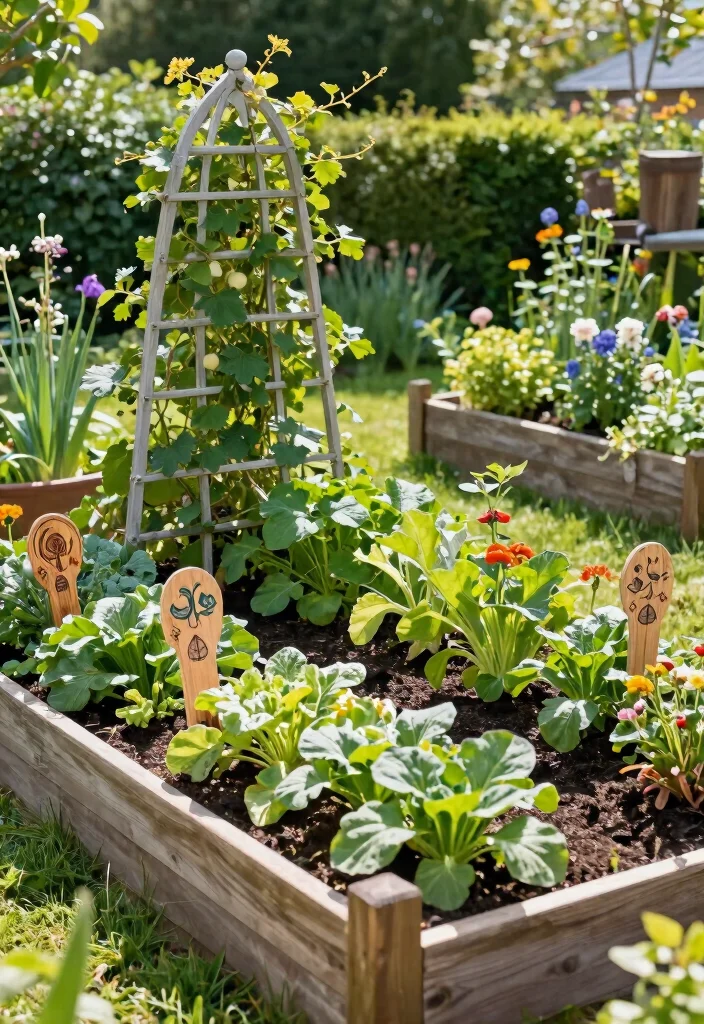
Don’t overlook the power of accessories for your raised garden beds! Adding elements like trellises, plant markers, and decorative fencing can elevate both functionality and aesthetics. Each accessory adds a personal touch, transforming your garden into a charming retreat.
Consider using trellises for climbing plants and vertical gardening, and add decorative plant markers to personalize your space. Incorporate fencing to protect your plants from pests while enhancing visual interest.
Here are some accessory ideas to consider:
– Use trellises for vertical climbing plants.
– Add decorative markers for a personalized touch.
– Incorporate fencing to safeguard against pests.
These thoughtful extras not only beautify your garden but also simplify plant care, creating a productive and visually pleasing environment.
17. Community Garden Collaboration
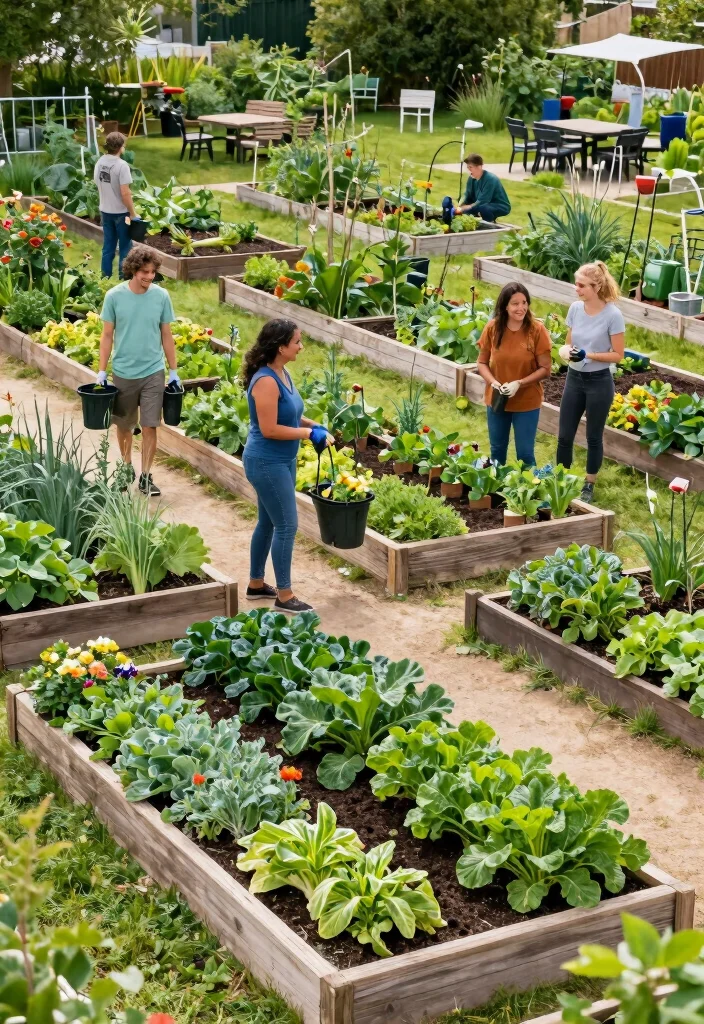
Engage with your community by participating in or creating a community garden! These collaborative spaces allow neighbors to come together, cultivating food, flowers, and friendships. Often utilizing raised beds, community gardens maximize space while providing organized plots for each gardener.
Participating in community gardens fosters relationships with neighbors and promotes sustainable practices. These shared spaces create beautiful green areas within neighborhoods, enhancing the local environment.
Consider these benefits of community gardens:
– Build relationships with neighbors and share gardening tips.
– Promote sustainability and local food production.
– Create vibrant green spaces for community enjoyment.
Imagine a lively community garden filled with laughter and shared enthusiasm for gardening, enhancing your connection to nature and your local environment.
Conclusion
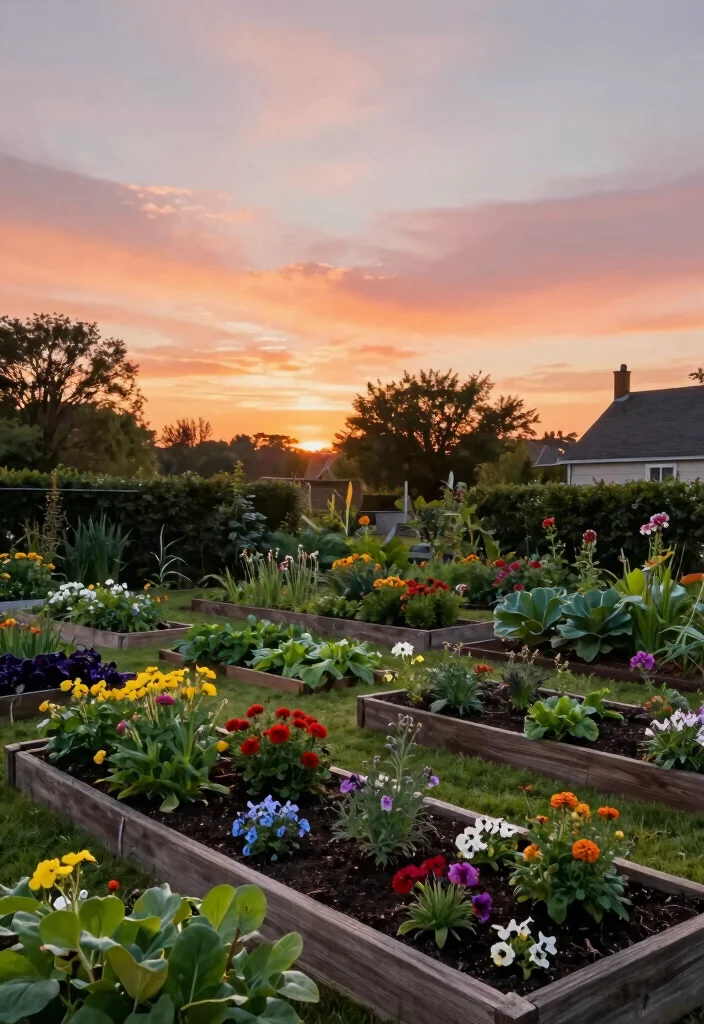
Outdoor raised garden beds open up a world of gardening potential, allowing you to cultivate beautiful plants, fresh produce, and a deeper connection with nature. These creative and sustainable solutions can transform any outdoor space, big or small, into a flourishing garden haven. Whether you opt for vertical designs, rustic wooden beds, or community collaborations, the possibilities are endless.
Join the gardening movement and embrace the joy of growing your own food or flowers right at home! Let these ideas inspire your next gardening project, encouraging sustainability and creativity in your outdoor spaces.
Frequently Asked Questions
What are the most effective outdoor raised garden bed designs for small spaces?
For tight spaces, choose smart outdoor raised garden bed designs like corner beds, modular tiers, or bench-style setups that double as seating. Start by mapping sun exposure and selecting sustainable materials such as cedar or recycled composites for longevity and safety with outdoor raised garden beds. Ensure proper drainage with a bottom layer of gravel or fabric and a rich potting mix, then add a simple drip irrigation to save water. To boost growing area without footprints, attach a trellis or lattice to the side for a vertical garden solution. These ideas align with garden layout ideas and help you maximize yield in a small yard.
How can I create vertical garden solutions with elevated beds to maximize space?
Elevated beds are ideal for a vertical approach in small spaces. Build or attach trellises, lattices, or wall-mounted planters to the ends of your beds to grow climbing herbs and vines as a natural green screen. Use stackable planters or box shelves on compact sides to create a layered vertical garden solution, always grouping plants with similar light needs. Choose durable, lightweight materials and run a simple drip line so watering is efficient, which is a key outdoor gardening tips. This setup fits well with vertical garden solutions and garden layout ideas for space-conscious yards.
What outdoor gardening tips help maintain sustainable, small-space raised beds?
Keep sustainability at the forefront with composting, rainwater harvesting, and mulch to cut water use and soil evaporation. Use a nutrient-rich compost mix and rotate crops so soil health stays strong in outdoor raised garden beds. Set up a simple drip irrigation system or soaker hose to minimize waste, and choose drought-tolerant varieties for your climate. These backyard landscaping ideas and garden layout ideas work together to keep your space efficient and productive.
How should I plan the layout of outdoor raised garden beds for a small backyard?
Begin with a sun survey of your space and map the light hours to decide bed placement for each crop. Use a clear layout like grid or curved lines to improve accessibility and circulation, keeping paths wide enough to move a wheelbarrow. Place a compost area and water source nearby, and design the beds to harmonize with existing backyard landscaping ideas while maximizing yield. Think in terms of garden layout ideas and you’ll create a practical, beautiful setup with outdoor raised garden beds.
Are elevated garden beds easy to maintain and suitable for backyard landscaping ideas?
Yes—when you choose the right height, materials, and drainage, elevated beds can be surprisingly low-maintenance. Height reduces bending, pests, and soil compaction, and you can pair a simple self-watering system with drip irrigation for steady moisture. Refresh and top-dress the soil each season, and keep plant groups organized by sun and water needs to simplify care in outdoor raised garden beds. This approach pairs well with backyard landscaping ideas and demonstrates practical outdoor gardening tips for small spaces.
Related Topics
outdoor raised garden beds
small space gardening
vertical garden solutions
sustainable landscaping
raised garden bed designs
backyard landscaping ideas
garden layout ideas
easy gardening
beginner friendly
smart garden solutions
DIY outdoor decor
seasonal gardening