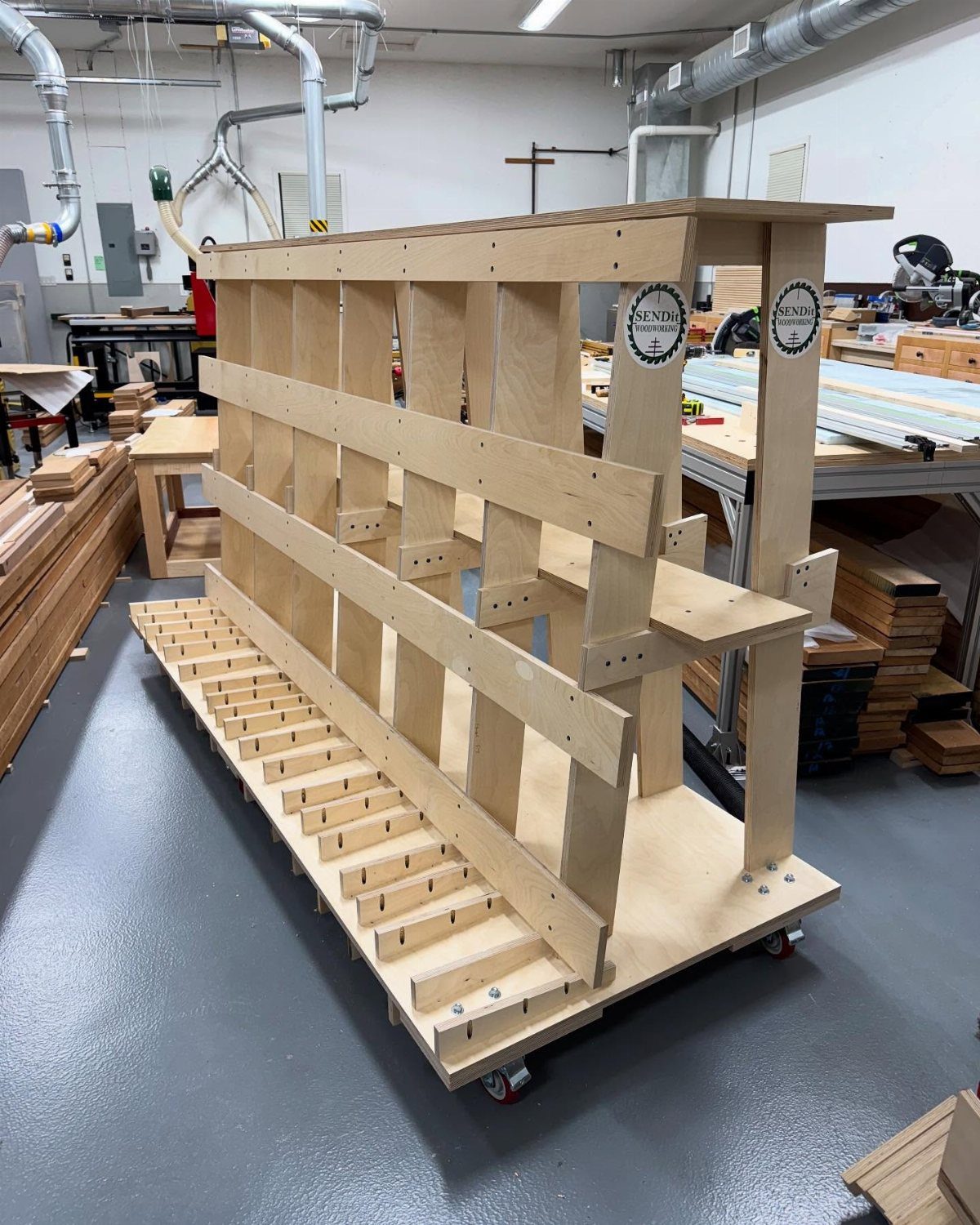
These 5 DIY wood storage ideas range from a simple wall-mounted rack to a full freestanding unit, and the one that fits your shop depends on whether you have more ceiling height, floor space, or doorway width to spare.
I would start by measuring what you actually have, because a vertical organizer that turns depth into height is useless if your ceiling is low, and a mobile rack on caster wheels becomes a permanent fixture the moment it won’t roll through the hallway.
1. Vertical Lumber Organizer
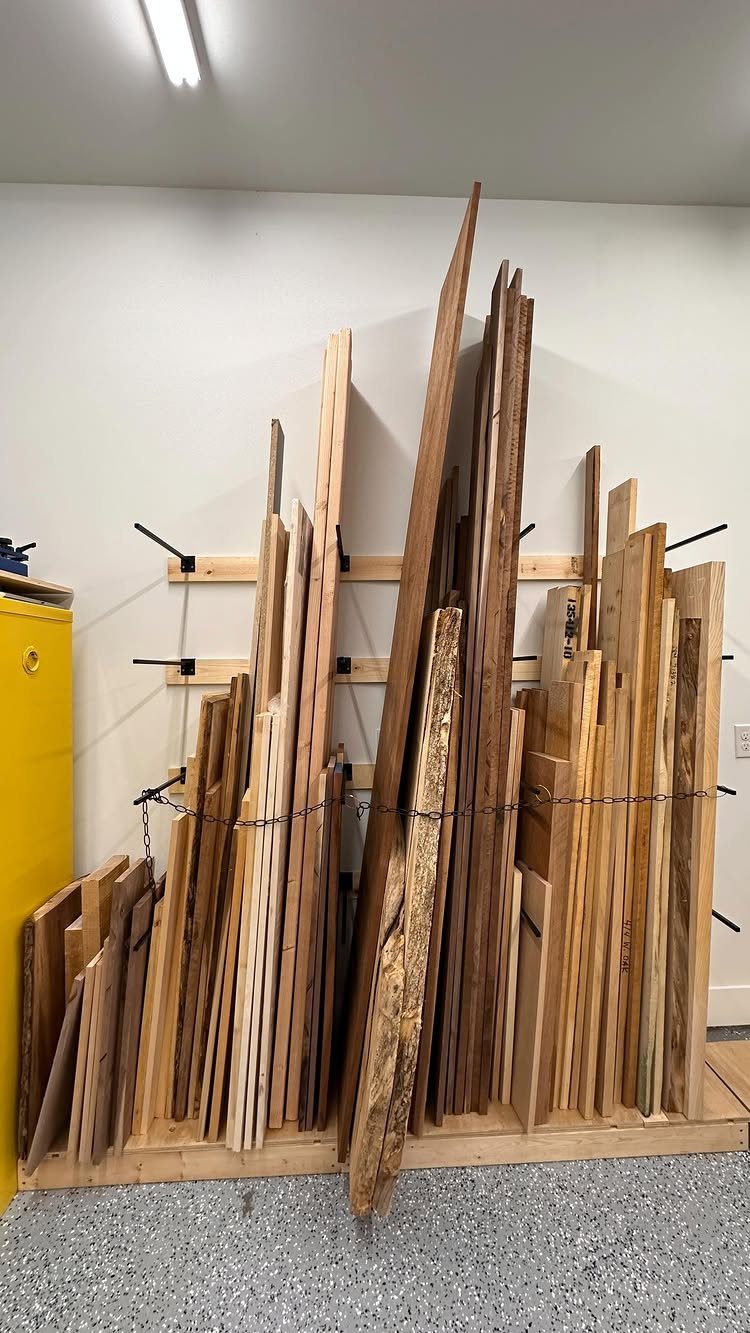
A vertical lumber organizer leans boards against the wall in a floor-supported frame, with a chain across the front to keep everything from tipping forward.
I like this setup for small garages because it turns depth into height; boards you need stay visible and reachable without pulling everything out. Check that your ceiling height actually wins you something here.
Long boards need more ceiling height than their own length once you account for the base angle and the chain hardware, though the wall space they take up is actually less.
If your space is tight vertically, this idea trades away for a horizontal rack instead.
2. DIY Mobile Lumber Rack
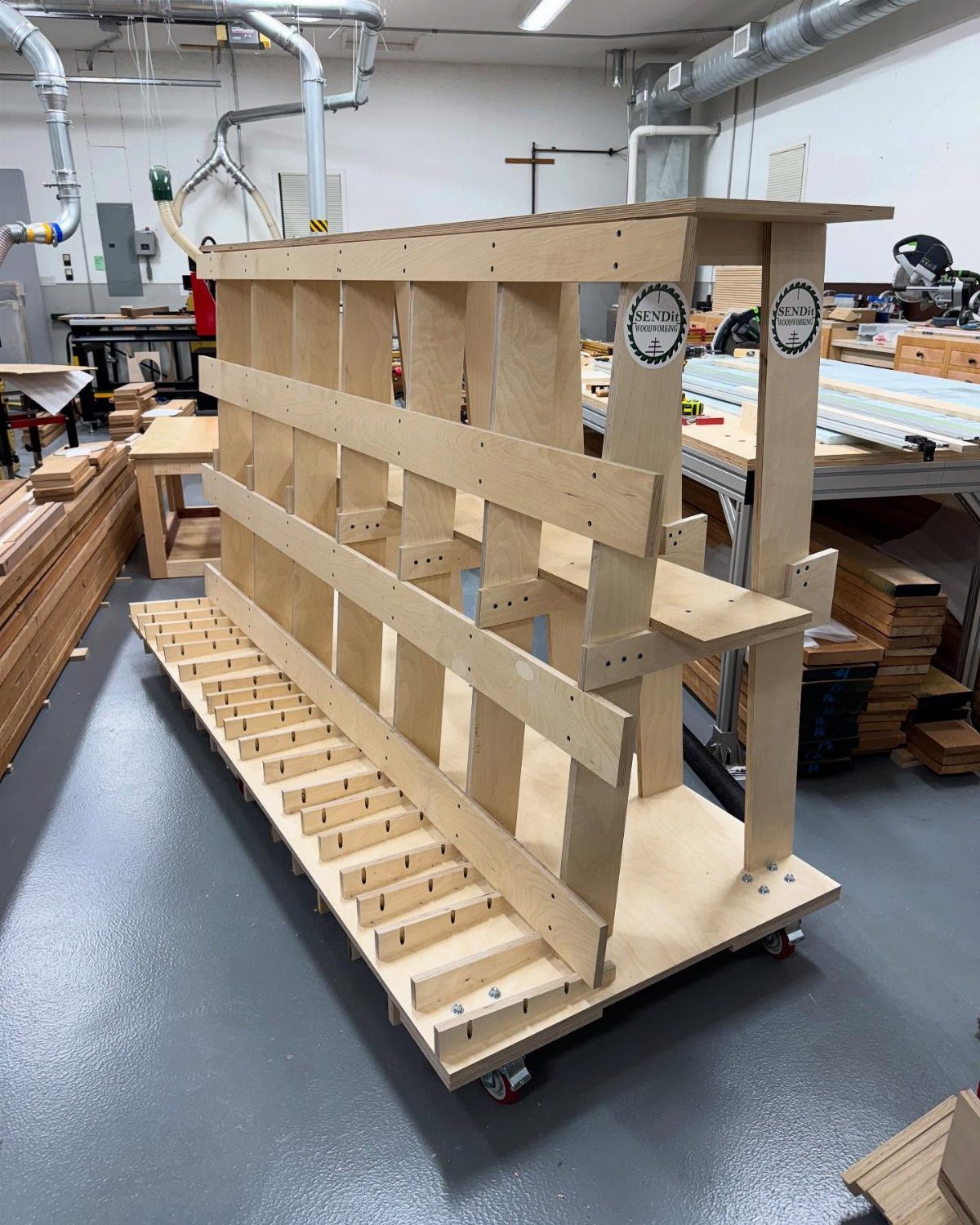
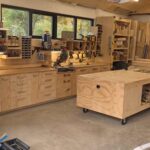
A mobile lumber rack on caster wheels lets you roll the whole inventory to your work area, then park it back against the wall when you need floor space.
Plywood construction keeps the weight reasonable; I would go with locking casters rated for heavy loads, since a loaded rack gets heavy fast. The open sides are the point, letting you store odd lengths without cutting them down.
Before you build, measure your doorways and plan your path. A rack that fits the workshop but not the hallway becomes a permanent fixture whether you meant it to or not.
3. Wall-Mounted Lumber Rack
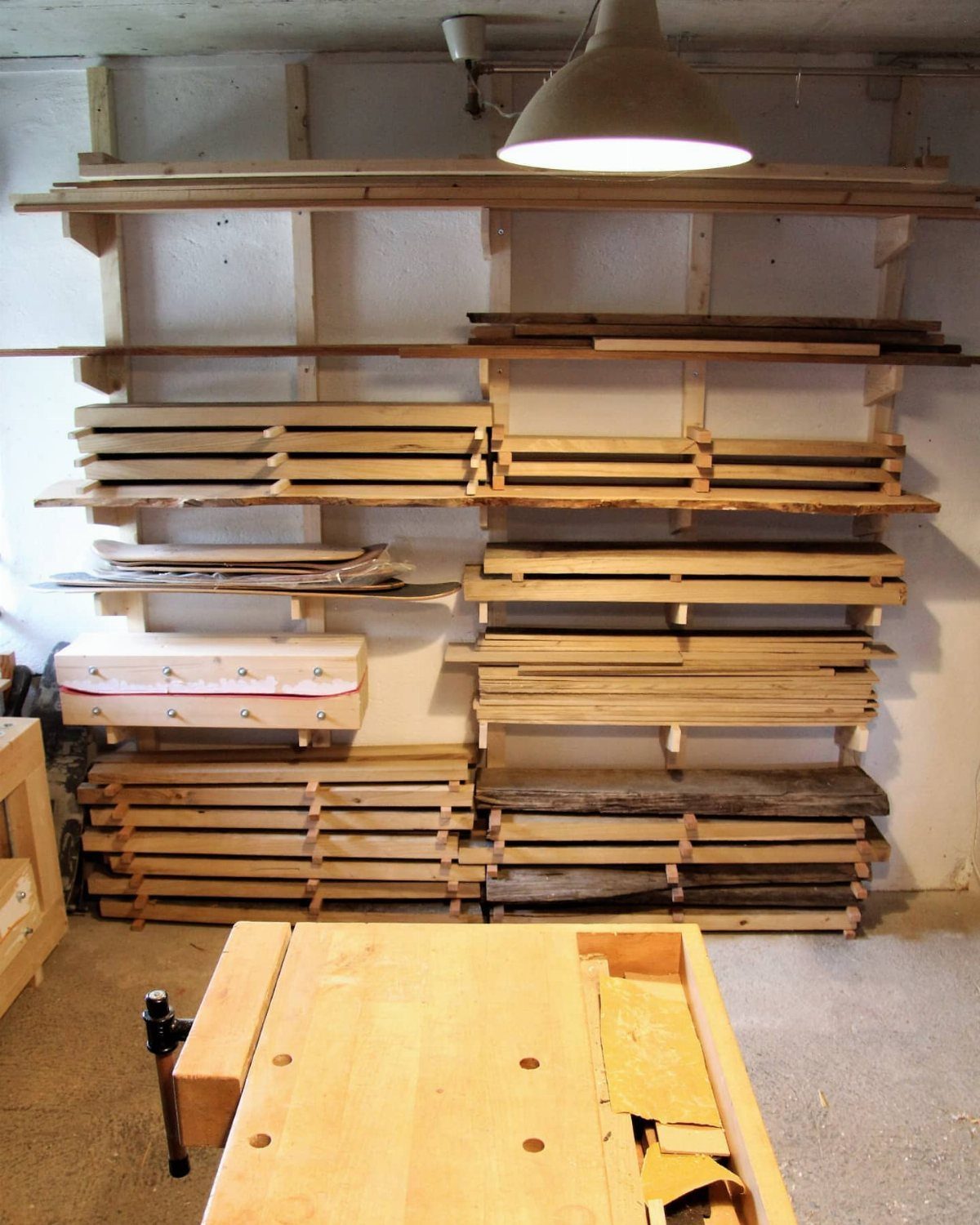
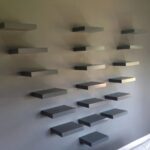
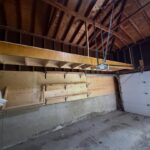
Wall-mounted lumber racks store boards horizontally on arms or shelves that keep them flat and off the floor.
The multi-tier setup uses vertical space efficiently; I would mount into studs at every attachment point, not drywall anchors, since a full load of hardwood runs heavy per shelf foot.
Check your wall length against typical stock sizes. A rack shorter than standard board length leaves the ends hanging, which stresses the mount and the wood both.
4. Heavy-Duty Freestanding Lumber Shelving
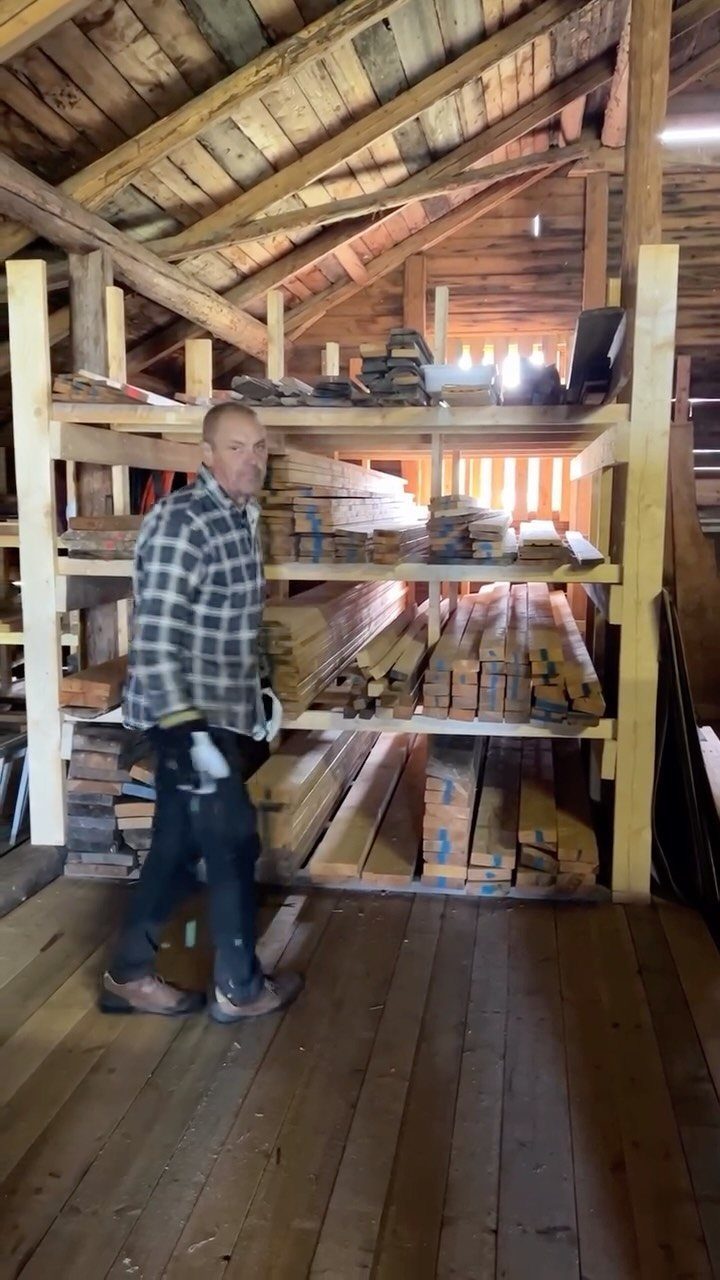
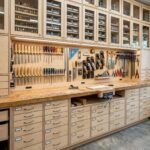
Heavy-duty freestanding shelving holds serious volume without needing wall structure, which matters in barns or outbuildings where stud spacing is irregular or the wall is not yours to drill.
I would keep shelf spans modest to prevent sag under wet or dense stock.
This unit eats floor space a wall rack would not. Build it where you have room to walk around it with a board on your shoulder, not tucked in a corner.
5. Outdoor Timber Firewood Racks
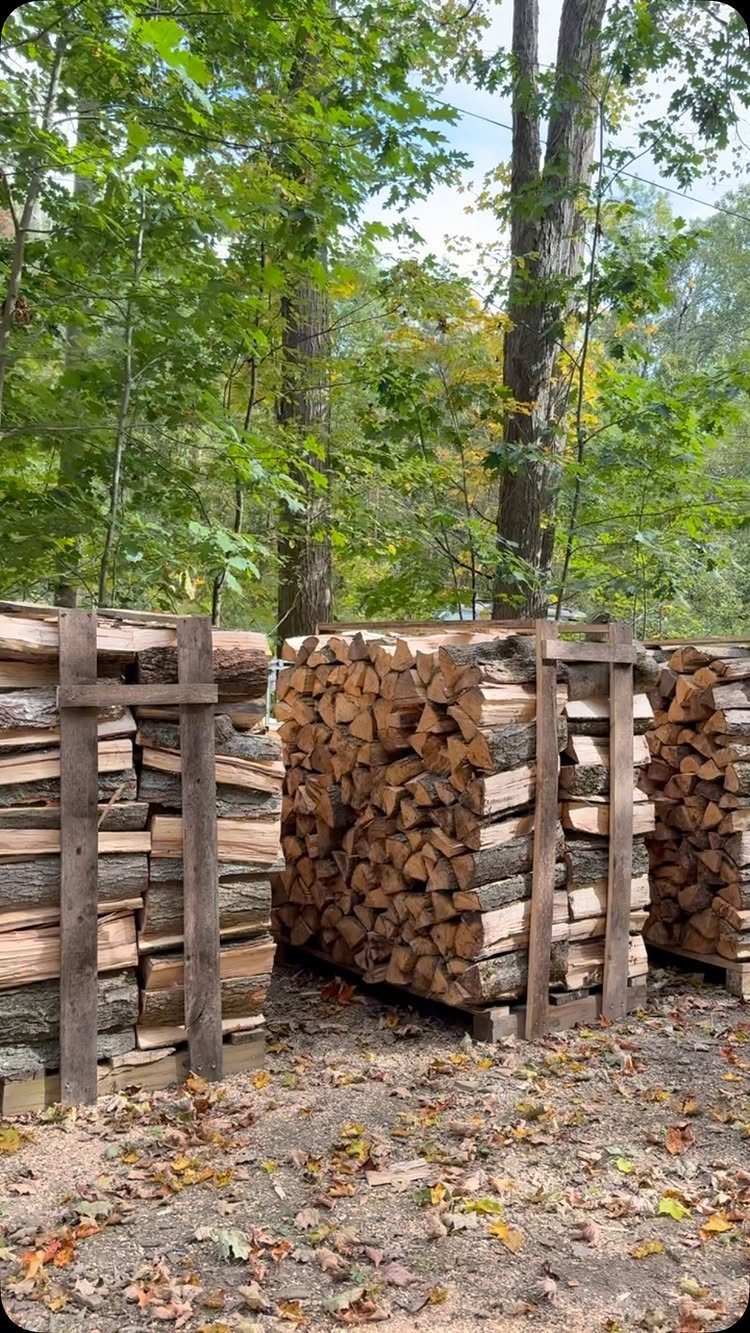
Outdoor timber firewood racks use vertical frames to stack split wood for seasoning, with open sides for airflow and a raised base to keep the bottom row off damp ground.
I would use pressure-treated 4x4s or rot-resistant species like cedar; standard construction lumber turns punk in two or three seasons of ground contact.
Stack depth matters more than height. A rack too deep in the center stays wet; a moderate depth front to back dries evenly in most climates.
Considerations for Storage Solutions
Space, budget, and purpose are the 3 filters that should narrow your choices before you pick up a saw.
I start with space because it eliminates options fastest: a vertical organizer needs ceiling height you might not have, a mobile rack needs doorway width, and freestanding shelving needs floor area for circulation around it.
Budget works the same way. Plywood and construction lumber keep costs low; hardware and caster quality are where I would spend more, since failure under load damages the stock and possibly the wall behind it.
Function is the last cut. If you are storing green or wet lumber, airflow and ground clearance matter more than they do for kiln-dried stock already indoors.
If you move projects through a small shop, mobility beats capacity every time. Match the build to the actual work you do, not the workshop you imagine having someday.
Frequently Asked Questions
How to store unused wood?
I store unused boards either vertically in a floor-supported frame with a chain across the front, or horizontally on wall-mounted arms that keep them flat and off the ground.
Vertical works best when ceiling height is generous and floor space is tight; horizontal suits shorter walls and heavier stock that would stress angled supports.
Wet or green lumber needs airflow underneath more than it needs tidy piles; ground clearance matters more than neat stacking until the moisture content drops.
What are some budget-friendly storage ideas?
Plywood and construction lumber keep material costs low for most of the racks I build.
Free sources like pallets or salvaged metal racks can work if you are upcycling, but check that the structure can handle the actual weight of hardwood without splitting or buckling.