A rented studio points you toward the rolling cart and the under-bed bin; a first home you can modify gets the pegboard wall and the corner shelf.
1. Maximize Closet Space
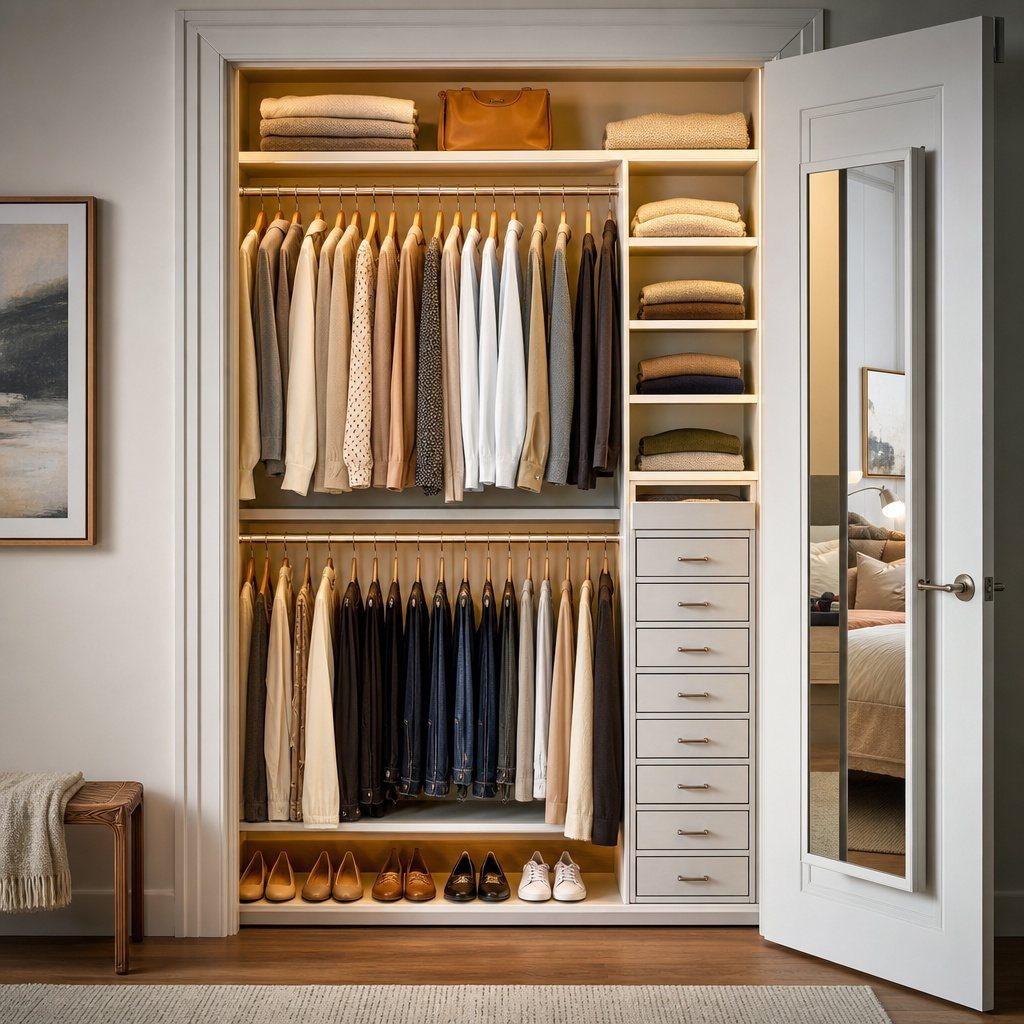
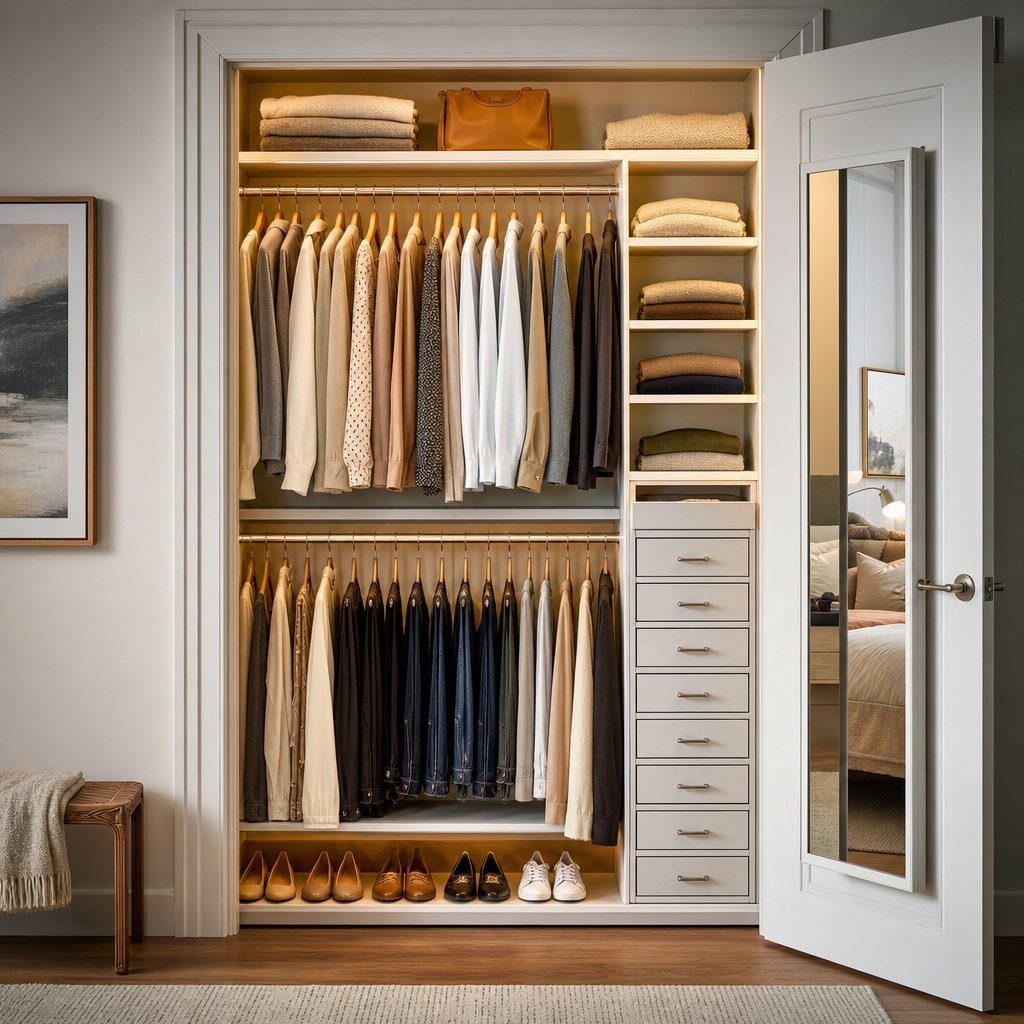
A double-rod system with vertical cubbies and drawer stacks turns a standard reach-in closet into something closer to a walk-in’s function without touching a wall.
I look for setups where the lower rod leaves room for a shoe row and a drawer tower between them, with the upper rod high enough for longer items to hang clear.
The door mirror is a nice touch, but only if your door has the clearance to swing past bedding or a nightstand.
Check that first; a mirror on the back of a door that hits the bed every morning becomes a nuisance fast.
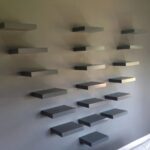
Unlock more of your home’s storage potential by going vertical. Pegboard, floating shelves, cube organizers, and even storage ladders can instantly give you more room without eating up square footage.
2. Under-bed Storage Bins
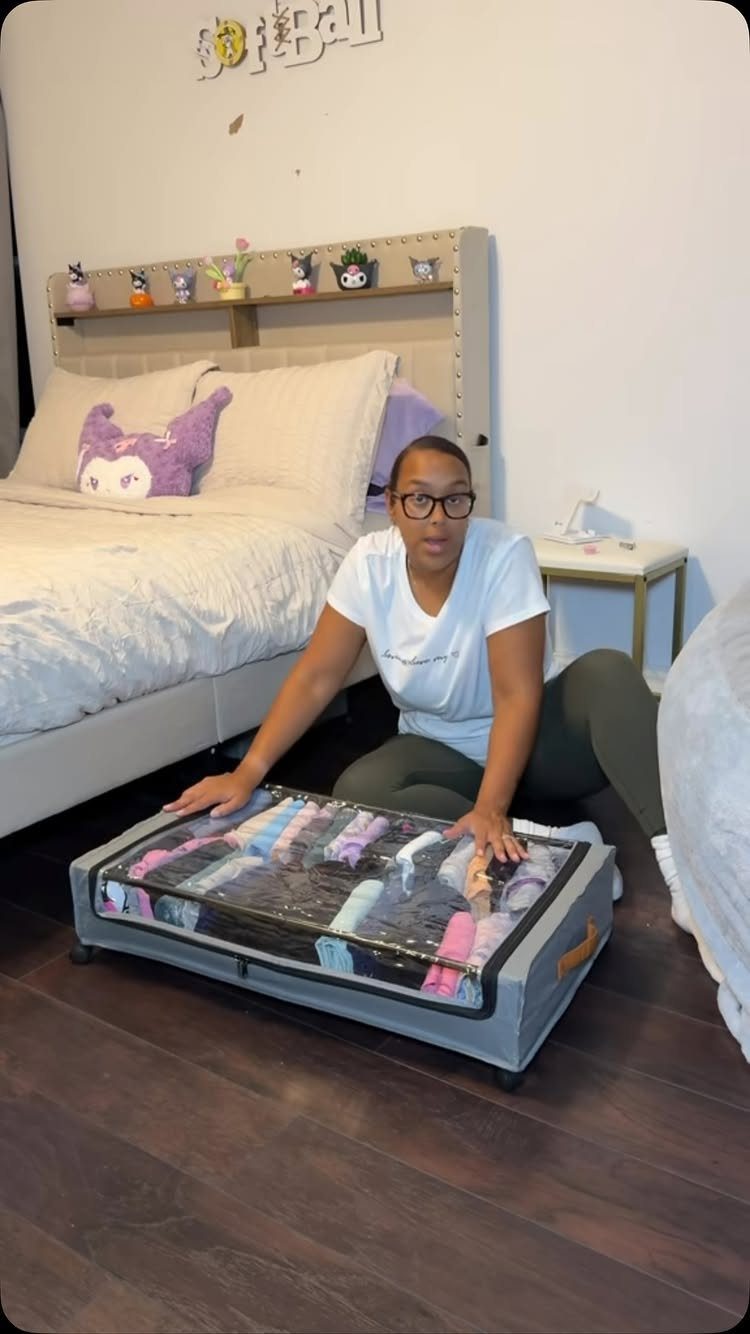
Low-profile bins on wheels slide under most platform beds and even some with shorter legs if you measure first.
A clear zip top lets you see what’s inside without unstacking, which matters when bins sit across the full width under the frame.
Measure your under-bed height at the lowest point, not the center, and subtract an inch for the wheels and the zipper pull.
3. KITCHEN Organizing Hacks
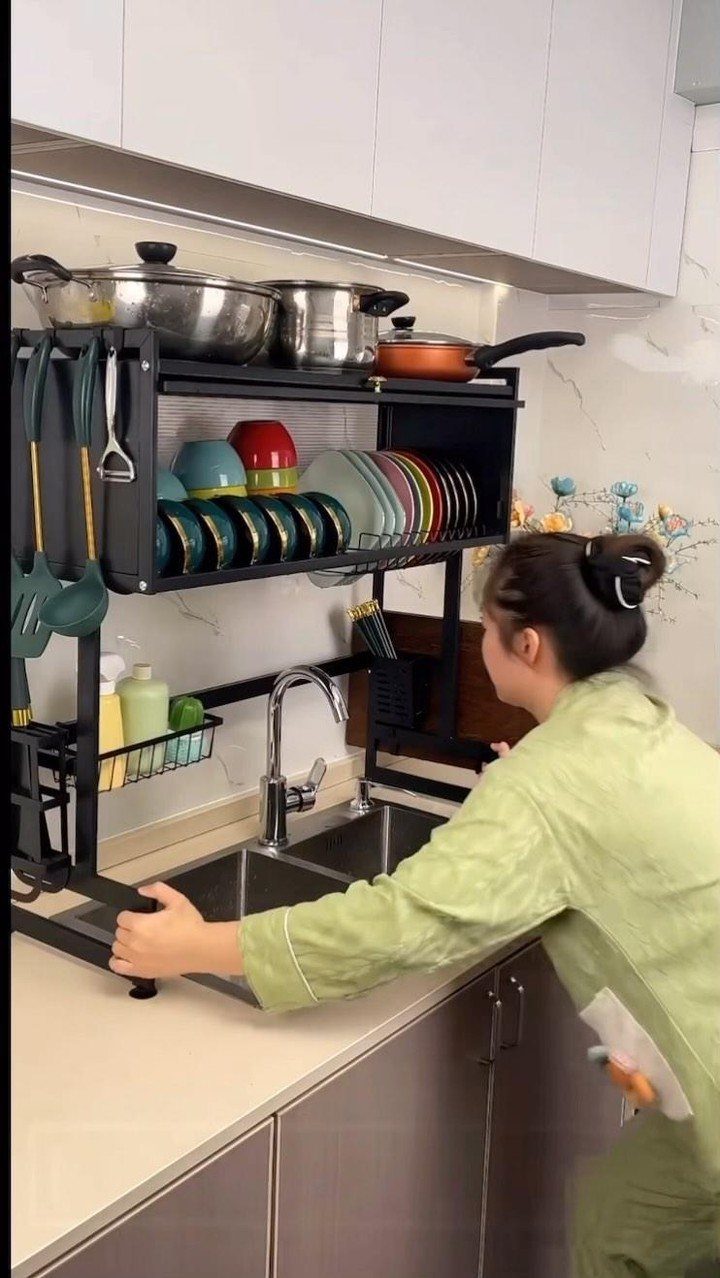
An over-the-sink rack turns the dead zone above a basin into vertical storage for pots, plates, and utensils you use daily.
A black metal frame is a common style; I prefer powder-coated steel here because the humidity from the sink will eventually spot raw metal.
Check your faucet height against the bottom tier before ordering, and make sure the feet sit flat on a narrow ledge or the counter behind the sink, not on the sink rim itself.
A rack that wobbles when you load it gets abandoned in a month.
4. Use a Bamboo Spice Rack
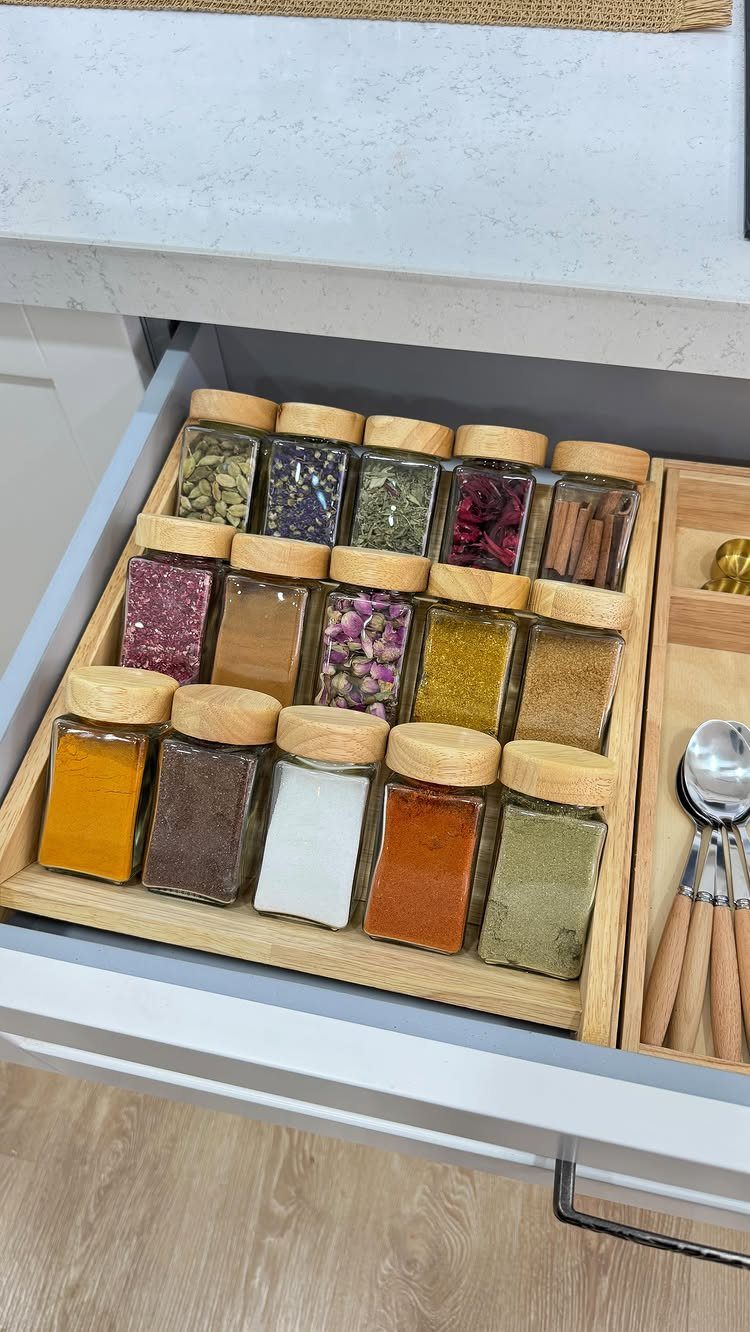
A tiered bamboo insert laid flat in a drawer keeps spice jars visible and reachable without the counter clutter of a standing rack.
Bamboo handles moisture better than MDF in a kitchen environment, though it will darken slightly over time near a dishwasher.
Check your drawer width against the rack dimensions; even a small gap on each side wastes more space than it sounds.
5. Decorative Baskets and Clear Containers
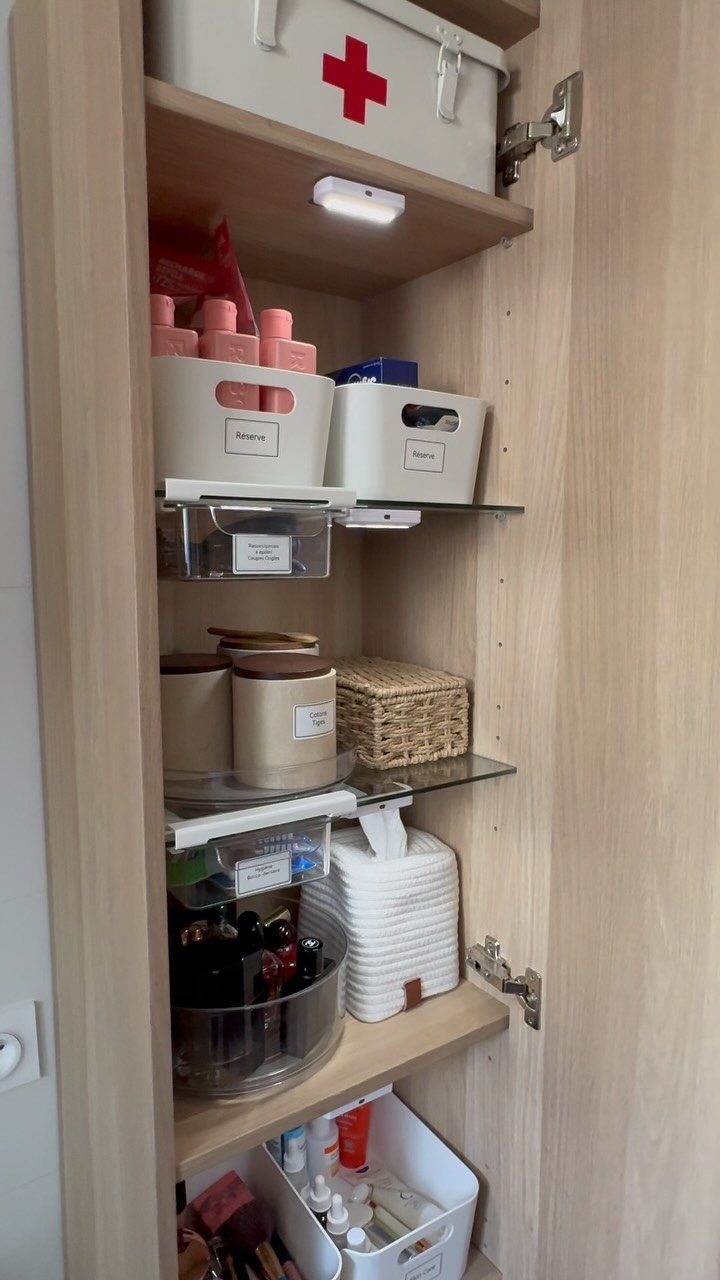
A mix of clear containers, clip-on drawers, and woven baskets inside one cabinet lets each supply type find its right home.
Labels in any language you actually think in beat a system that looks good in a photo but slows you down when you’re hunting for cotton swabs half awake.
Clear bins work for items you identify by shape; baskets hide the visual noise of bulkier things you grab less often.
The lazy susan on the middle shelf is the piece I would add first; corner cabinets and deep shelves turn into black holes without one.
6. Install Corner Shelves
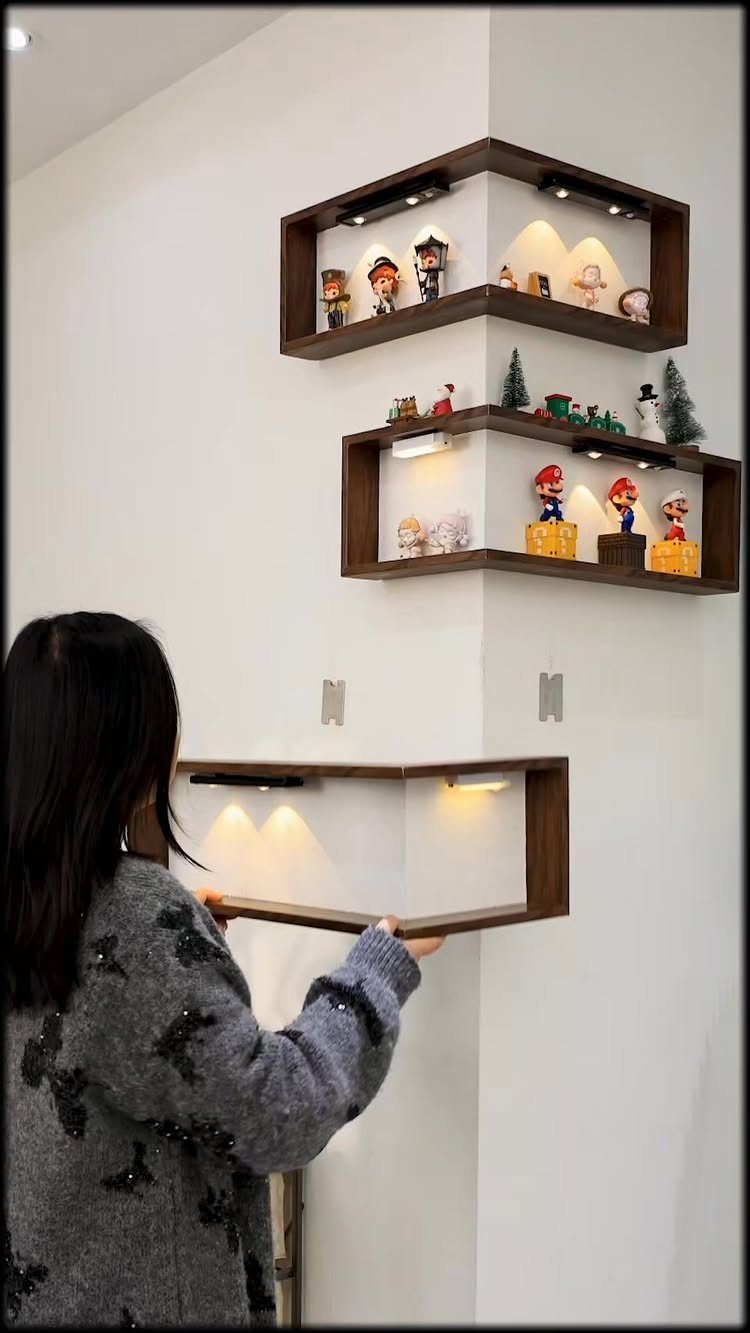
Wraparound corner shelves with built-in lighting turn an outer wall corner into display space that reads intentional, not leftover. Dark wood and integrated LEDs suit a room with some existing wood tones; painted shelves blend better in all-white spaces.
I would mount these with a stud finder and toggle bolts, never just drywall anchors, because the torque on a corner joint pulls harder than a flat wall shelf.
The wiring for the lights needs a plan; battery-powered LEDs skip the hassle if you don’t want to open the wall.
7. Make Use of Dead Space
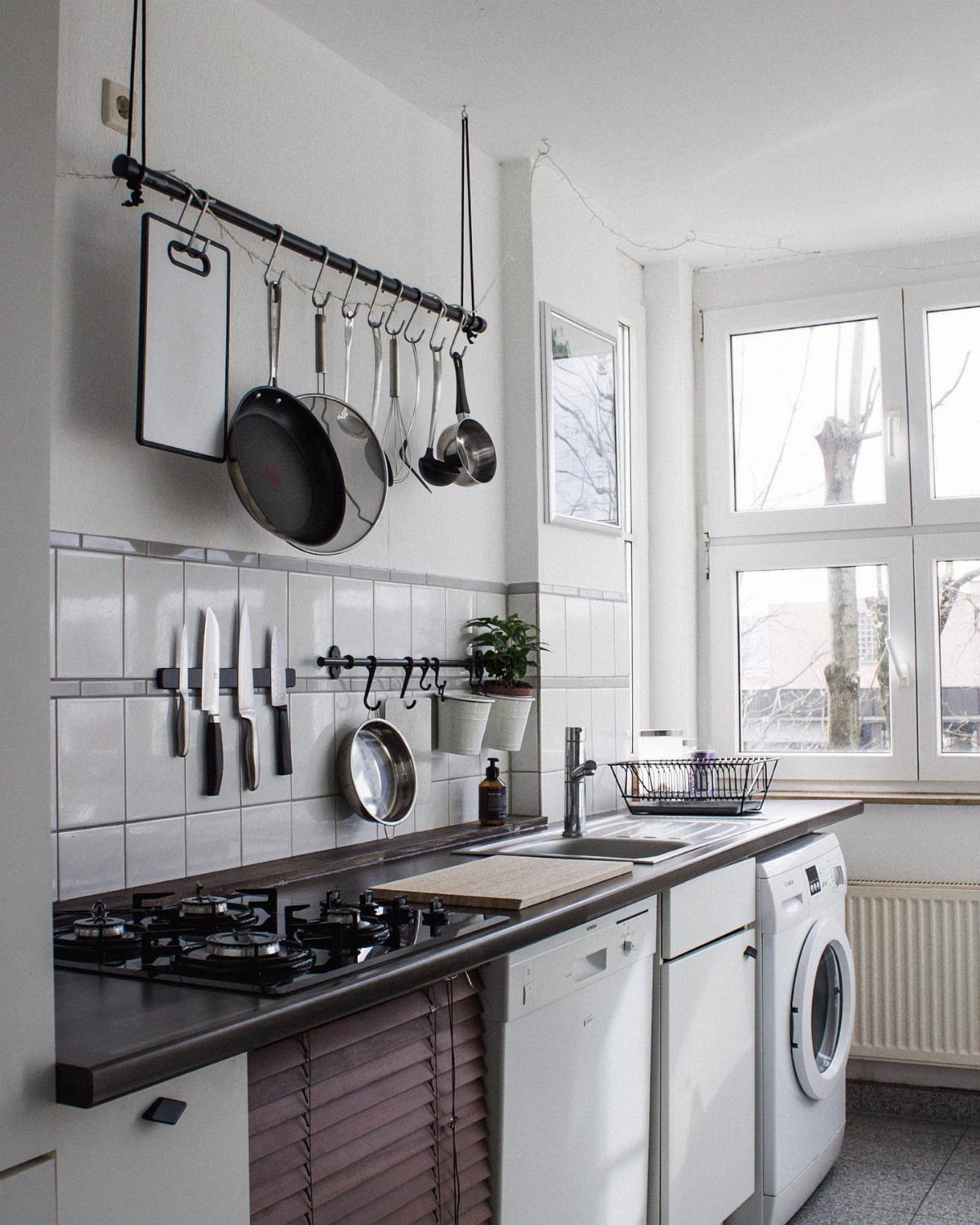
Ceiling-hung rods and magnetic wall strips pull cookware and knives out of packed cabinets and into zones that usually stay empty.
The metal strip needs a solid grout line or stud behind it; a magnet rated for kitchen knives holds more than it sounds, but test it with your heaviest blade before trusting the rest.
A suspended rod wants ceiling joists, not just drywall, and the hooks should clip closed so a bumped pan doesn’t drop.
8. Assign a Box for Essentials
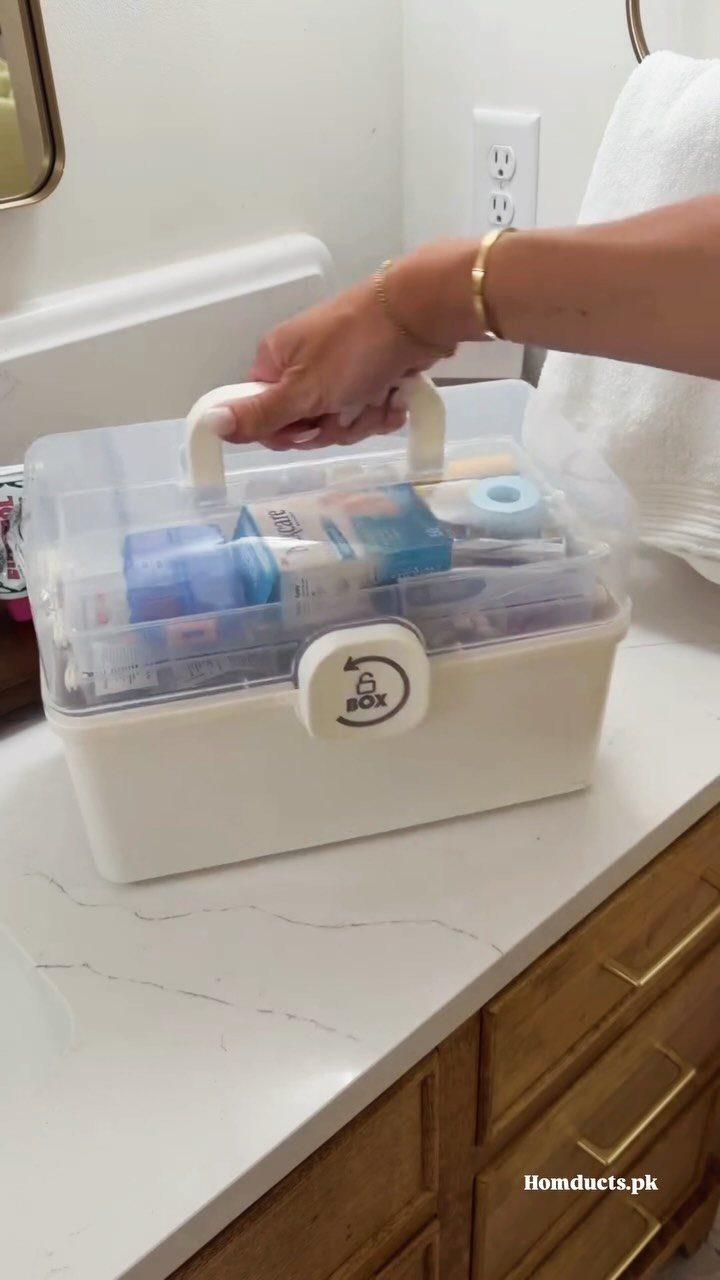
A single caddy with a clasp lid, kept on the bathroom counter, corrals first-aid supplies that otherwise scatter across 3 drawers and a medicine cabinet.
I would label mine by use, not by room, so the box migrates where it’s needed. The handle matters more than it looks; a caddy without one gets left where it lands and the system falls apart.
9. Pegboard Organizers
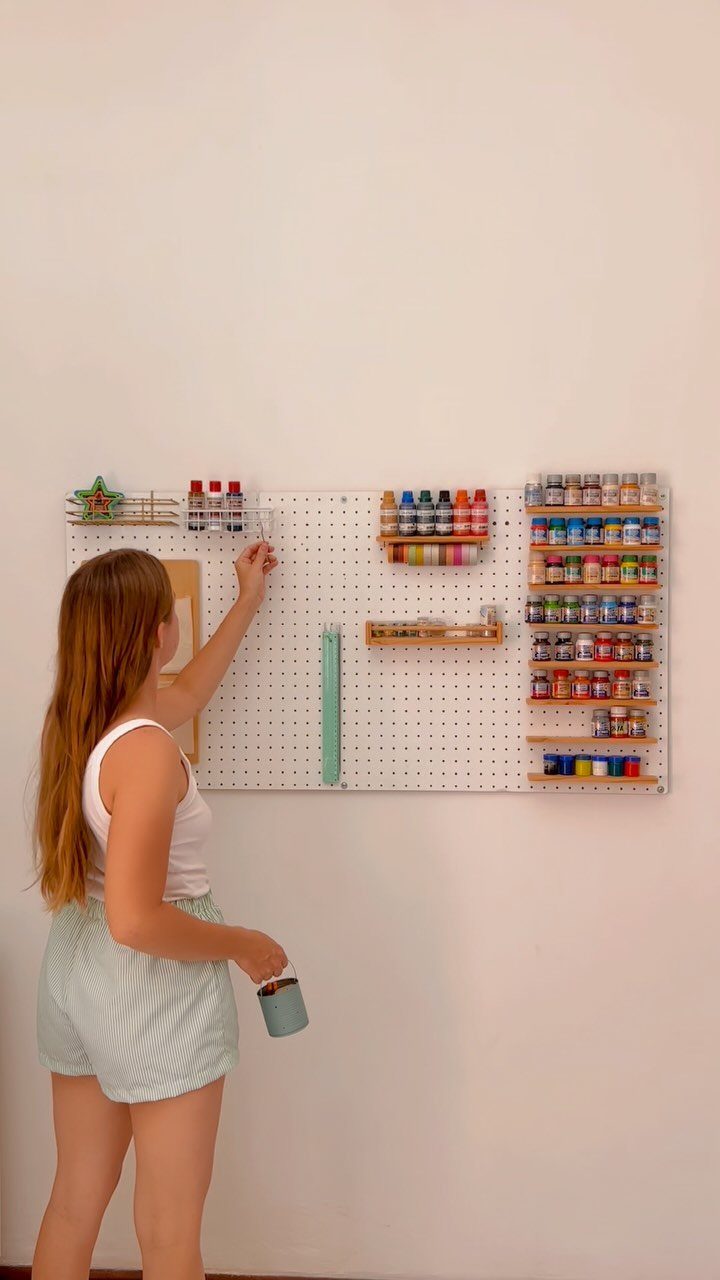
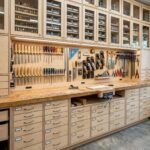
Wall-mounted pegboard with wire and wood shelves lets craft supplies or small tools stay visible and rearrange without drilling new holes each time. The board itself needs solid backing or it will flex when you push a hook in.
I prefer metal pegboard over Masonite in any room with humidity; the painted fiberboard swells at the edges and hooks fit loose after a year.
Start with fewer hooks than you think, add as your collection grows, or you end up with the same clutter on a prettier surface.
10. Rolling Carts
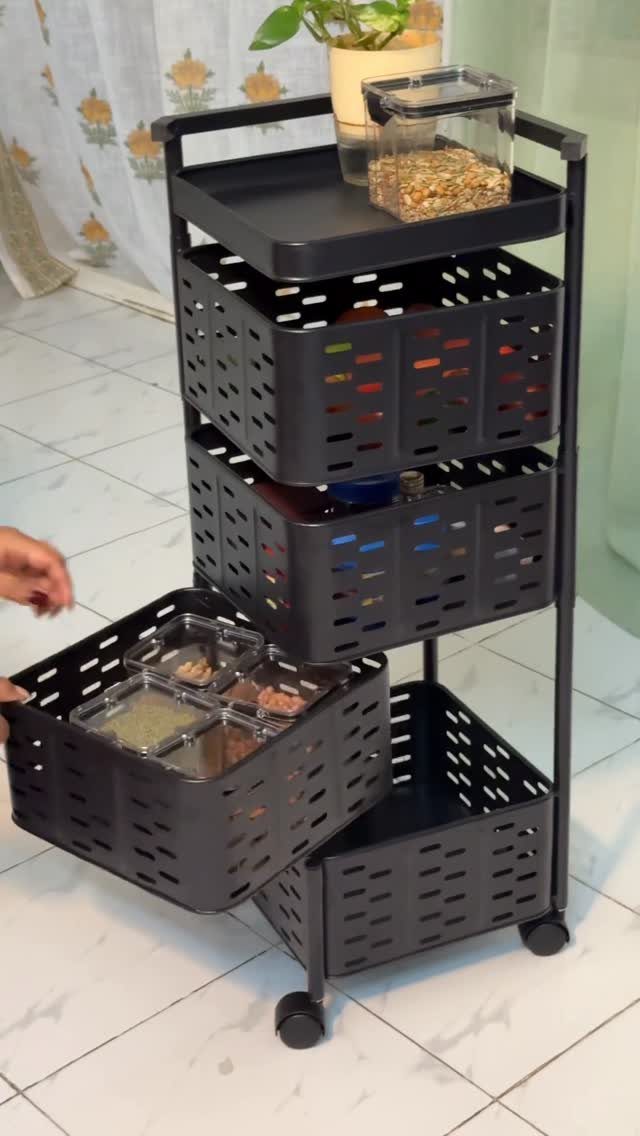
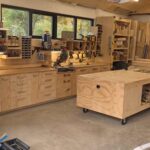
A four-tier cart with rotating basket drawers rolls into gaps too narrow for cabinets and moves where the work is.
A black finish hides kitchen grease better than white or chrome, though it shows dust. Check that the casters lock; a cart that drifts when you lean on it becomes an obstacle, not a tool.
I would load heavier items low to keep the center of gravity down, especially on tile where a bump can travel.
Importance of Decluttering
Clutter in a small space works harder against you than in a large one.
Every item left out claims visual territory and narrows the room, so the habit I would build first is a regular review of what actually earns its keep.
Kate’s rule is the one I return to: keep on display only what you use or love. That sounds simple until you try it.
I would group similar items before deciding, because duplicates hide in scattered drawers. One pair of scissors in the kitchen, another in the office, a third in the bedroom, and you own three when one would do.
Clothing you have not worn in a year is the standard cut I would apply, especially where closet space is the bottleneck.
The timer method works for the reluctant: one area, one session, stop when it rings. A whole apartment in a day is a recipe for quitting halfway through.
Daily Organization Habits
The reset habit is the one that separates organized small spaces from the rest.
Ingrid Jansen and Lesley Spellman call it keeping the floordrobe away, and I would start there: bed made, clothes off the floor, nothing left out that has a home.
The bedroom is the right place to build the habit because morning momentum carries into the day.
I would extend the same rule to every room. The remote returns after television, the cup rinses after coffee.
Small spaces punish delay more severely; a single left-out item reads as mess where a larger room would absorb it. 10 minutes at day-end, spent putting things back where they belong, prevents the weekend recovery session that never quite happens.
The reset is not deep cleaning. It is the minimum viable order that keeps clutter from compounding.
Storage solutions only work if the behavior around them changes; I tell clients to build one habit at a time, like putting keys in the same bowl every day, before adding any new bins or shelves.
Frequently Asked Questions
What is the 5 5 5 rule for decluttering?
The 5 5 5 rule is not one I use in my own work. Kate’s rule is simple: if you don’t use it or love it, it doesn’t earn surface space.
That standard does the same job without the arithmetic. Before you decide what stays, gather like items into one pile.
Duplicates stay invisible when they’re spread across rooms. Three pairs of scissors spread through the house feel like convenience until you realize one would cover it all.
What not to throw away when decluttering?
Do not discard what you actually use or genuinely love.
For anyone who dreads starting, I set a timer: one zone, one round, done when it sounds. A full year unworn is my cutoff for clothing, and I hold to it tighter when the closet is already packed tight.
What is the 2 foot rule in organizing a house?
The 2 foot rule is not a principle I have found useful enough to name.
Store it where the work happens. That is the whole rule, and it saves more steps than any measuring tape.
The space above a sink is usually dead air. An over-the-sink rack puts it to work holding the pots and plates you reach for daily.
What are some boring but effective home organization tips?
The difference between a small space that stays organized and one that doesn’t is usually one boring habit, repeated. Bed made, floor clear, every item back in its place.
Small checklist, outsized effect. 10 minutes at night, putting things where they live, beats the three-hour Saturday sweep that keeps getting postponed.
New bins won’t fix old habits. I start with one behavior shift, lock it in, then think about buying anything to hold the results.