These ideas run from a simple PVC pipe frame to a full workbench build, and the deciding factor is whether you own the container or answer to a landlord.
Freestanding or bracket-mounted options leave no trace when you move, while bolt-in systems suit setups that stay put for the long haul.
The D-ring brackets in the installation section skip drilling entirely, which is the detail that makes this list useful for renters who still need serious capacity.
1. Heavy-duty Shelving
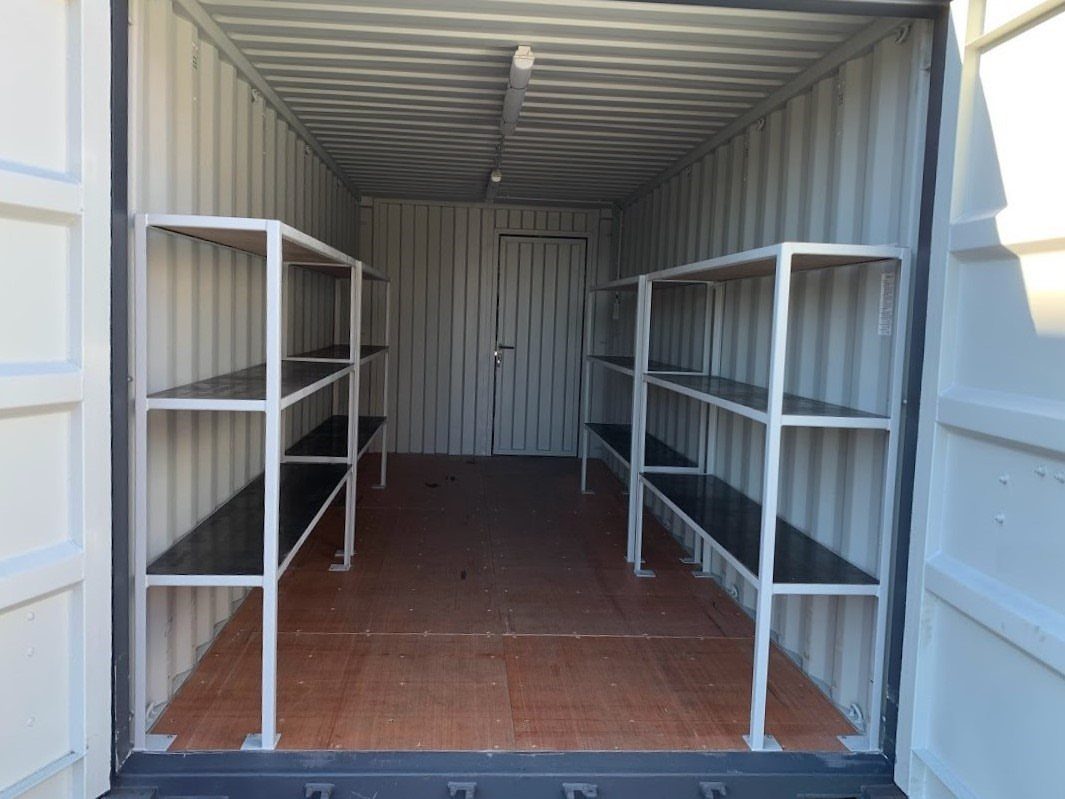
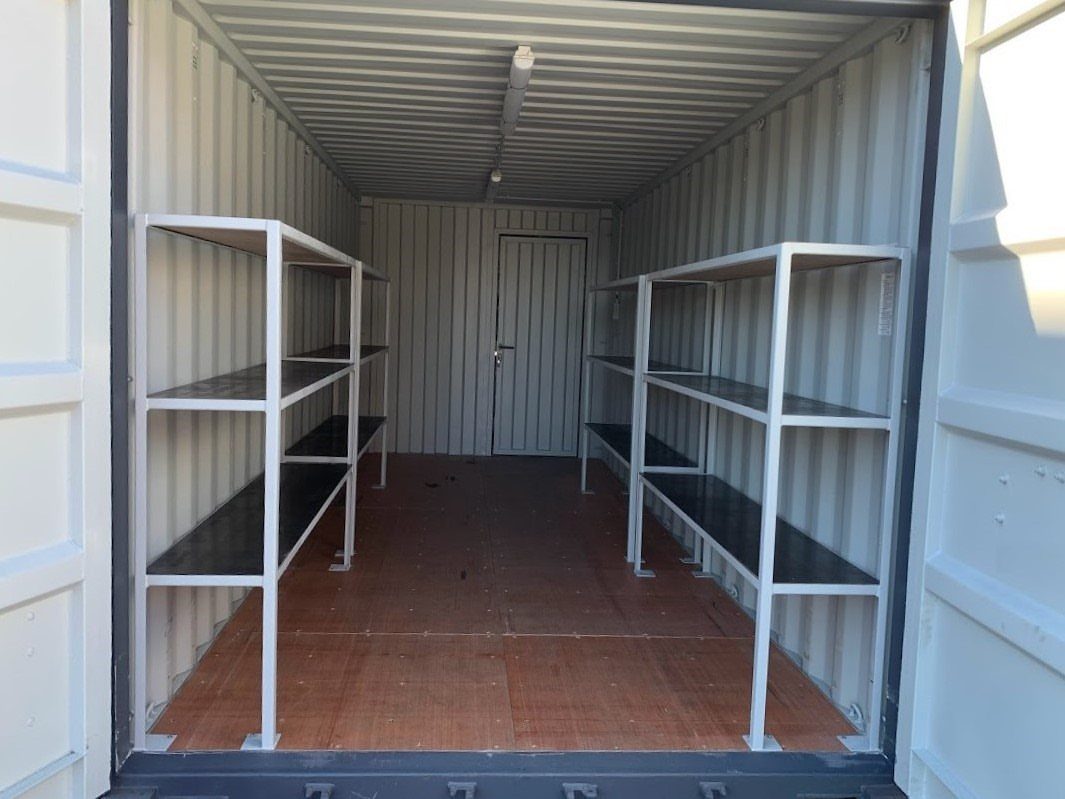
White metal heavy-duty shelving bolted to a shipping container’s corrugated walls handles weight that would warp lighter systems. I would check the wall gauge before ordering; thin metal needs backing plates or the bolts will pull through under load.
Plywood flooring helps, but the real question is whether the container sits level. A rack that looks straight in a tilted box will dump bins every time you roll out a drawer.
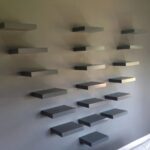
2. Wall-Mounted Shelves
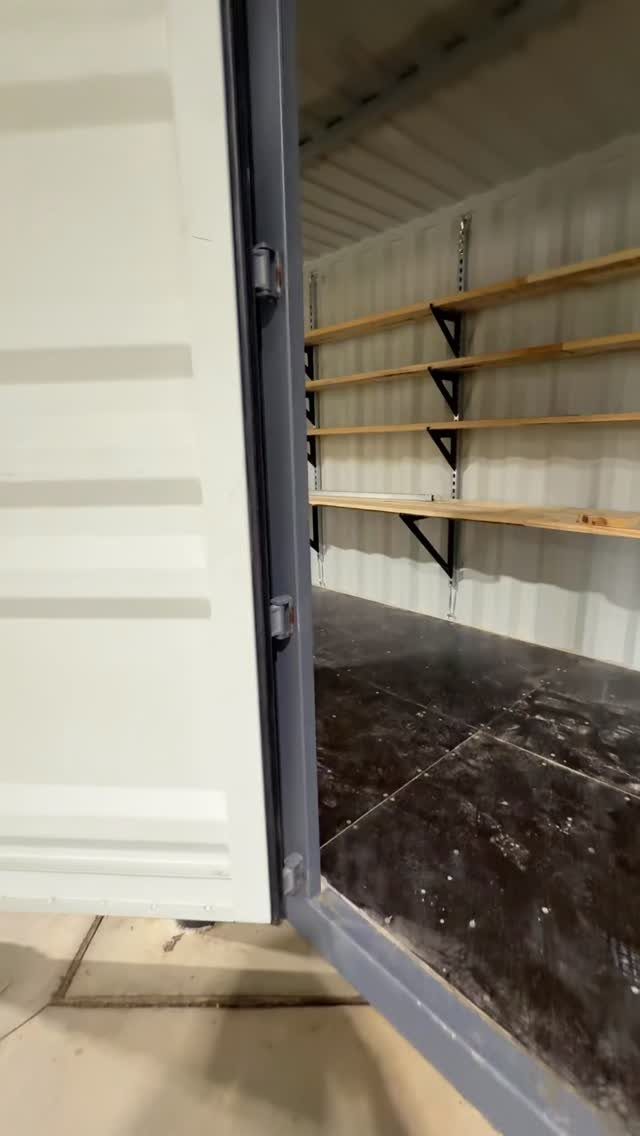
Black bracket-mounted wooden shelves keep floor space open for rolling bins or a work cart. The visible setup uses solid lumber, not particleboard; moisture in an unconditioned container will swell the cheap stuff in one season.
I would mount into the container’s structural ribs, not the corrugated skin between them. The ribs are the only place a lag bolt gets real purchase.
3. DIY Wooden Shelving

Stacked wooden crates, secured and painted, build out a closet or pantry wall for under the cost of a single prefab unit.
A hanging rail, mirror, shoe shelves, and basket storage turn a basic crate stack into something that actually organizes a morning routine.
I like this method for rental spaces because it leaves no more damage than a few wall anchors when you move.
4. Freestanding Shelving Units
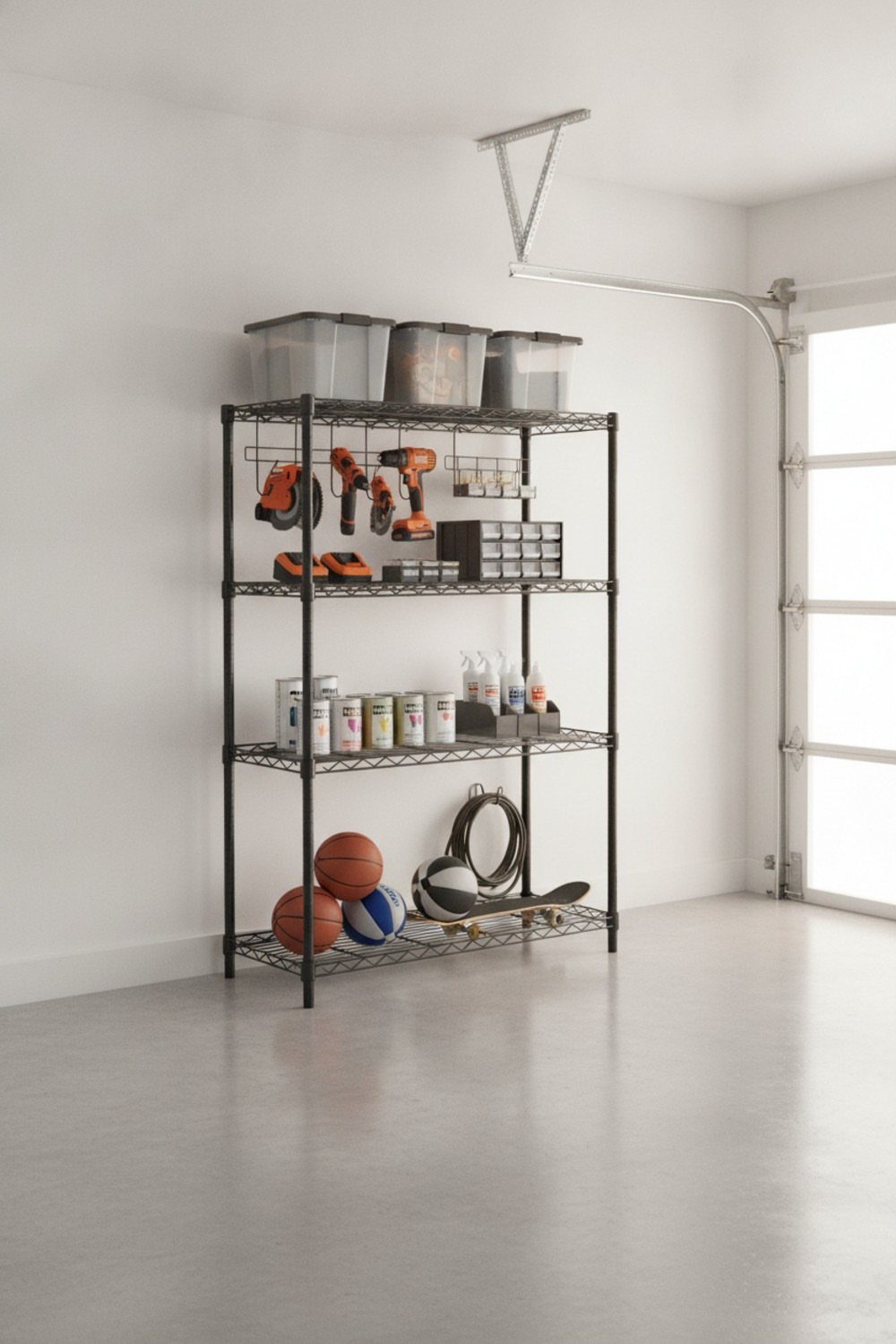
A black wire freestanding unit fills with bins, tools, and paint cans, and that flexibility is exactly why I keep recommending these for garages. No mounting, no commitment to one wall.
The tradeoff is stability; a 6-foot rack with heavy bins on top will walk across concrete if you bump it loading the car. I would spend extra on a model with adjustable feet and cross-bracing above the third shelf.
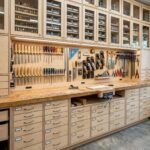
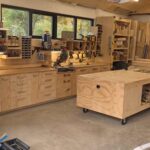
5. Workbench + Integrated Storage
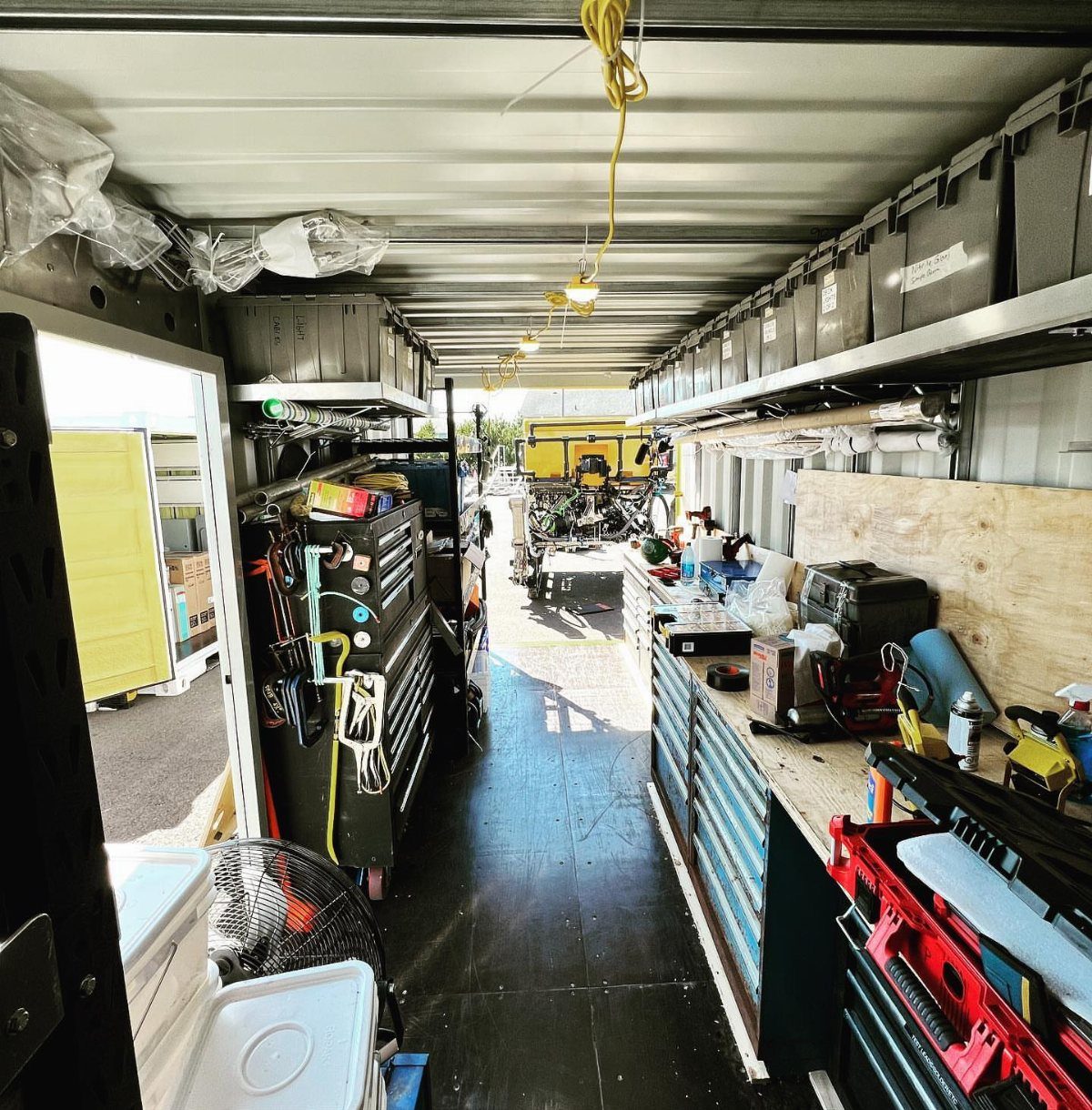
A fixed workbench running one wall of a container gives you a 24-inch deep surface with storage drawers below and bin shelves above.
I would build the bench height to the user, not to the container; standard height works for most, but a couple inches lower saves your back if you’re shorter.
Drawer cabinets need weather stripping if the container sees temperature swings, or the slides will bind.
6. Pull-Out Drawers or Bins
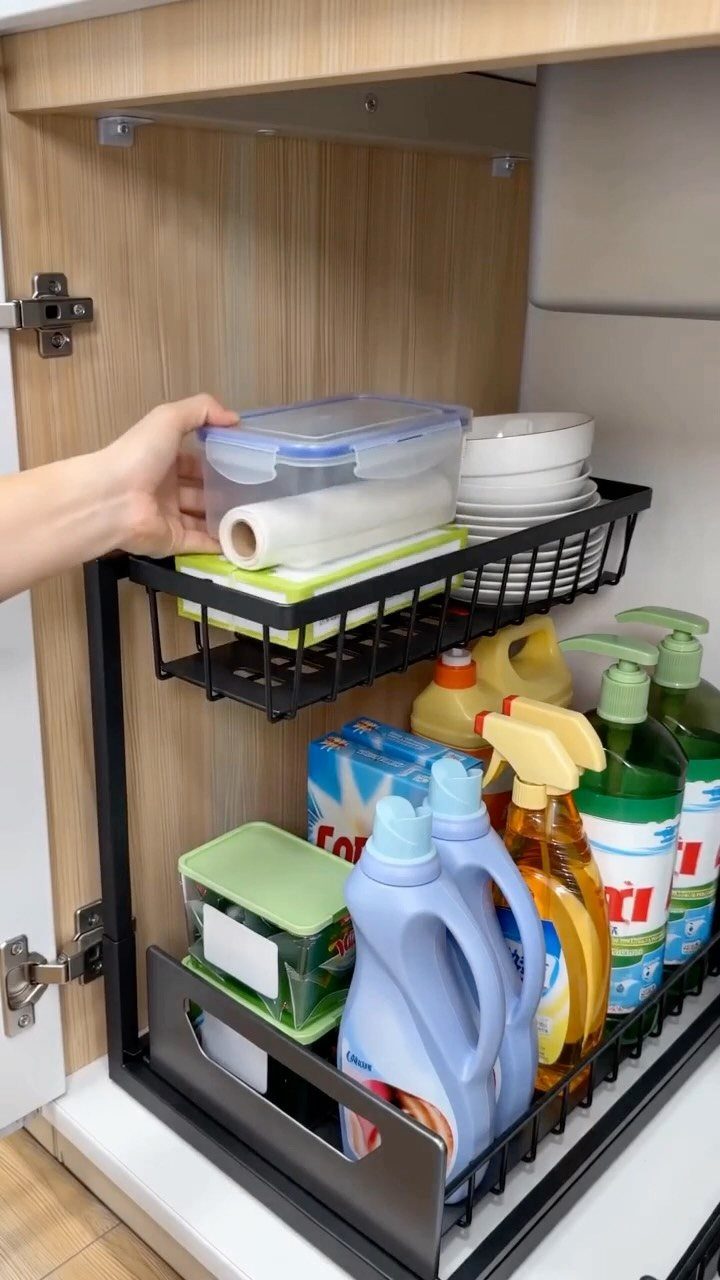
A black wire pull-out shelf under a sink corrals cleaning supplies and food containers where a fixed shelf would bury half the contents.
I would measure the cabinet opening against the slide width before buying; many pull-outs need clearance per side that older cabinets don’t have.
For under-sink use, a coated wire beats bare metal. The rust starts where the dish soap drips.
7. Hardware Parts Bin Rack
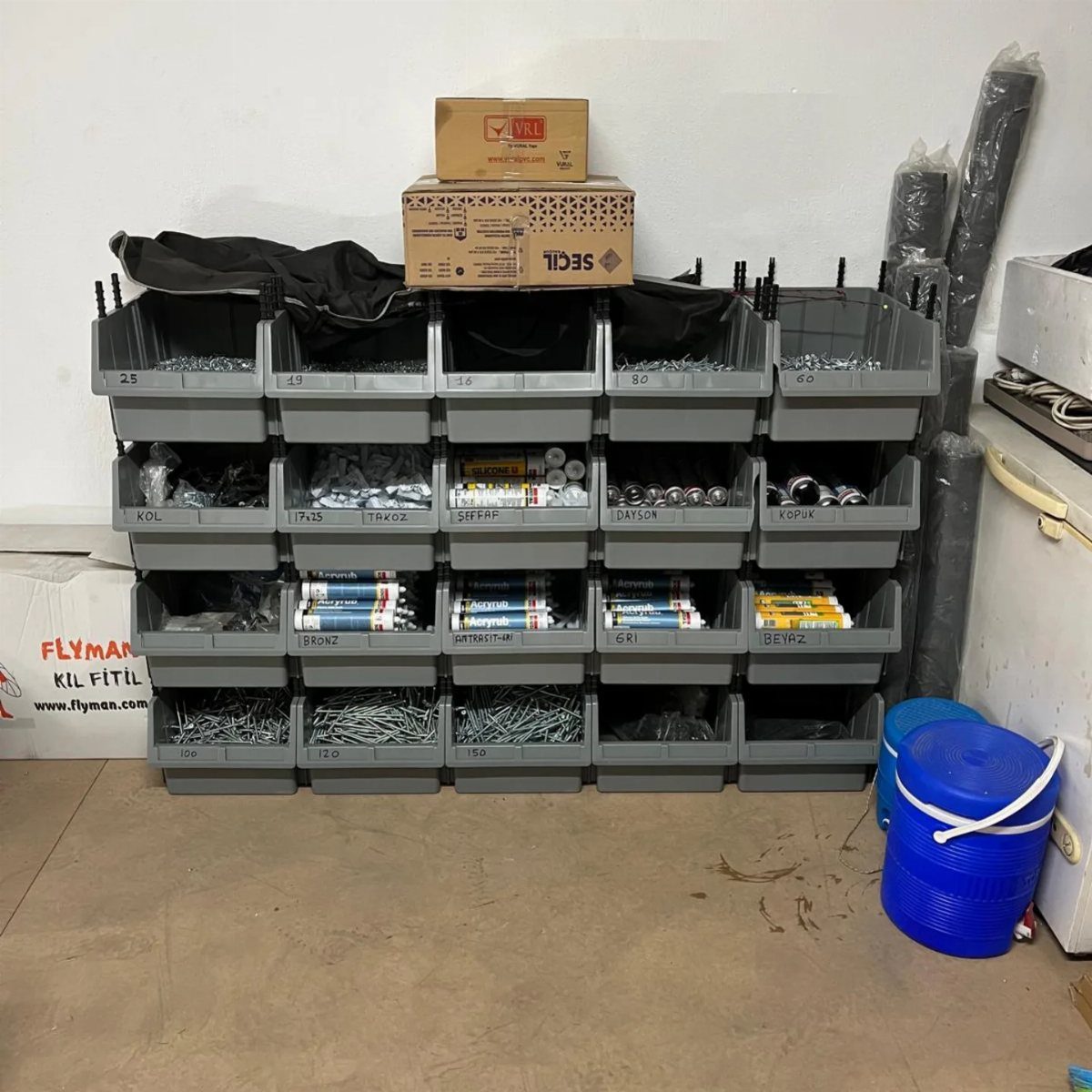
A tiered rack of grey hardware bins keeps small parts visible and reachable without the drawer-rummaging that wastes shop time.
I would sort by thread size or fastener type before filling the bins, because a system that looks organized but isn’t will fool you into buying duplicates.
The shallow depth of these bins works against you for bulky items; I use them for hardware only and keep larger containers on deeper shelving nearby.
8. DIY PVC Pipe Shelving
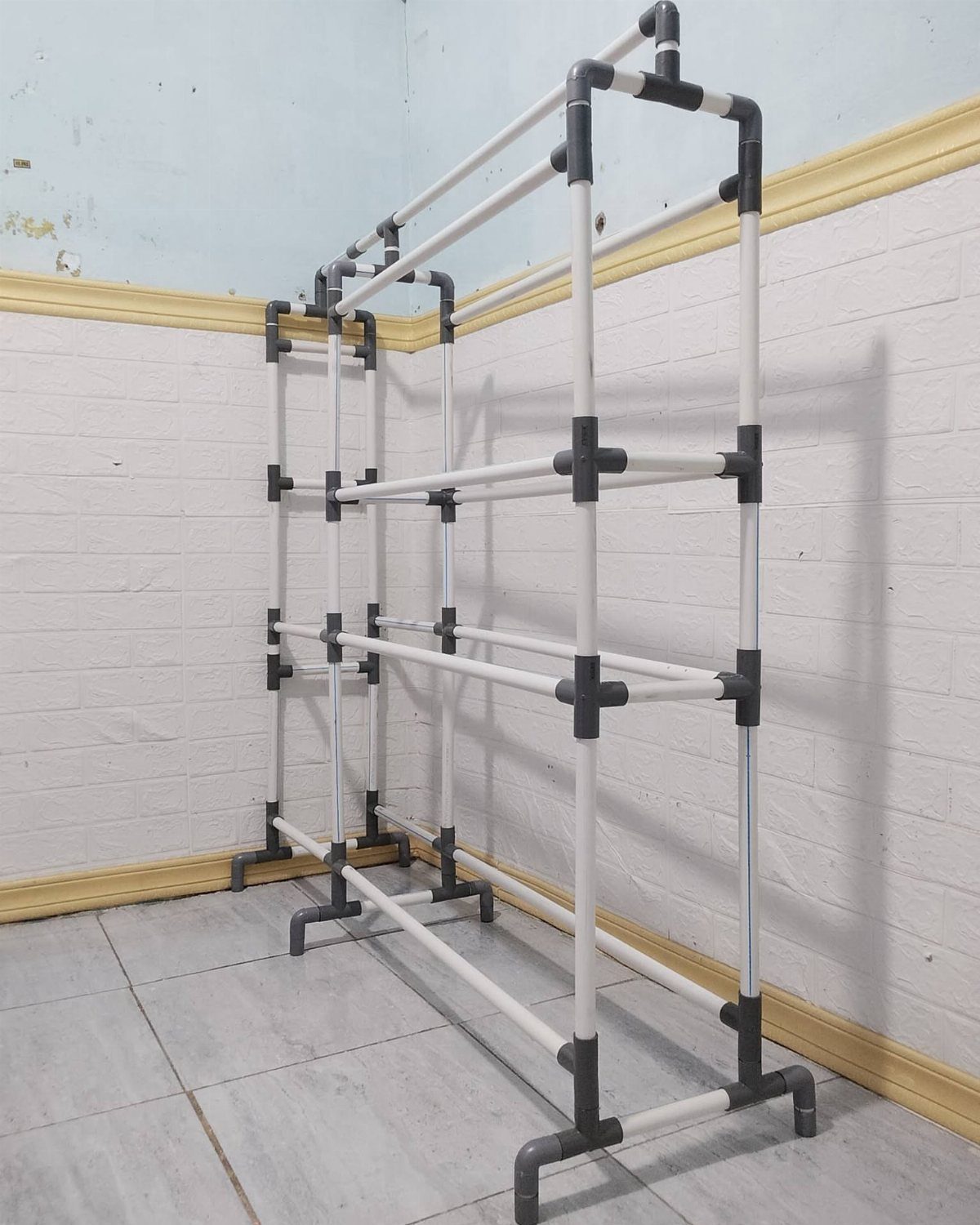
White PVC pipe and dark grey connectors build a shelving frame that moves easily and costs less than lumber of the same span.
The joints are the weak point; I would check that each connector seats fully with a rubber mallet tap, not finger pressure, or the rack will rack sideways under load.
This system suits light storage bins and craft supplies. I would not trust it with paint cans or power tools; the flex in PVC pipe across a span is real, and corner placement gains stability from 2 walls.
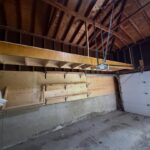
9. Mobile Timber Storage Rack
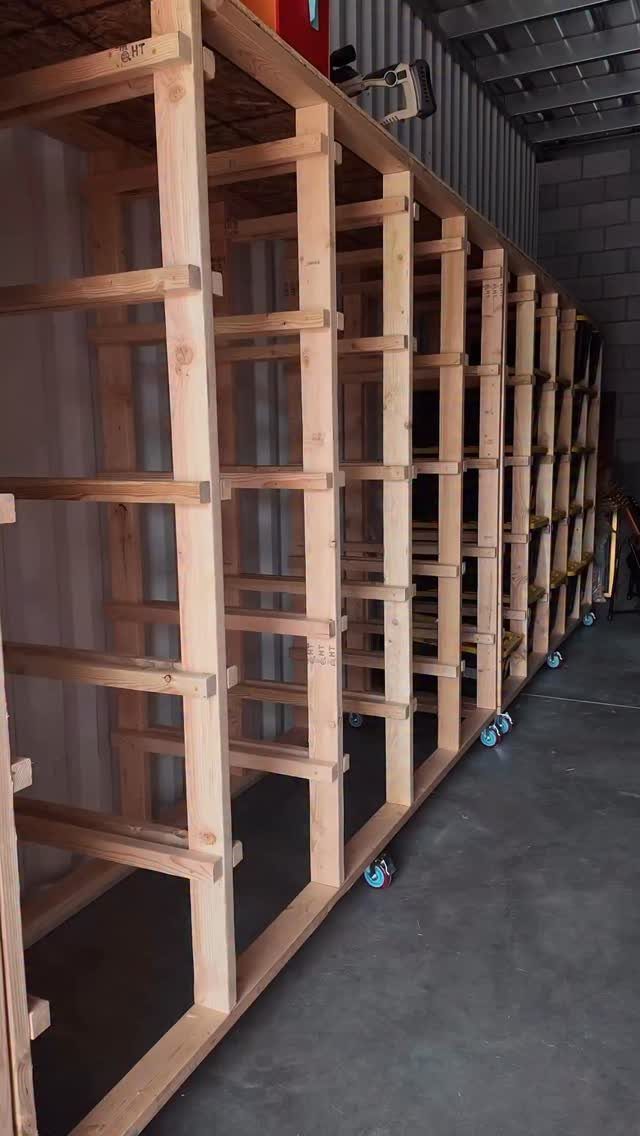
Rough timber on casters turns a shipping container or garage corner into rolling storage that follows the project, not the other way around.
The "HT" stamps mean heat-treated, not pressure-treated; safe for indoor use but not the rot resistance you want against a damp foundation wall.
I would lock at least half the casters, or a loaded rack becomes a hazard on sloped concrete. The tall bays suit stacked bins and boxes better than flat trays; height is what this build offers, not shallow depth.
10. Craft Room Container Cubbies
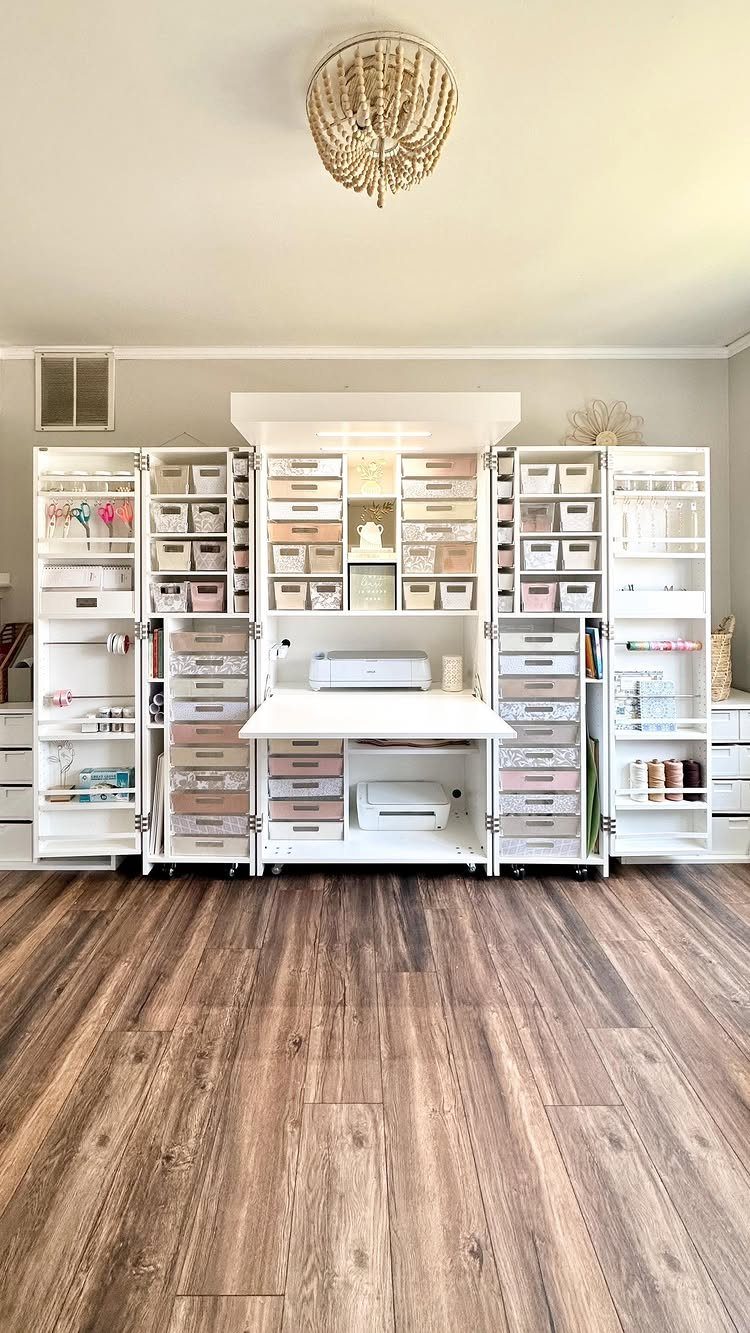
A white fold-out craft station with labeled cubbies and a built-in desk packs a full workflow into the footprint of a closed cabinet.
The overhead light matters more than it looks; detail work in a cubby shadow strains eyes and slows output.
I would measure the folded depth against the room’s traffic path before ordering, because a unit that opens too wide becomes a room divider you did not plan for.
The coordinated totes are the organizing principle; without them, the cubbies are just holes.
Installation Tips
Bracket-mounted shelving that hangs from a container’s existing D-rings skips the drilling entirely. The brackets catch the rings, press flat to the wall, and take the weight of the boards.
I would still check that the D-rings and their welds are sound before loading; rust or fatigue at the ring base is not always visible.
For any system that does need fasteners, the tie-down points, side rails, and corner posts are stronger than the corrugated wall panels. Measure the first shelf height before marking anything.
Leave clearance below for heavy bins and enough above for actual use. A level is non-negotiable; a sloped shelf row dumps contents and looks worse than no shelving at all.
Safety Considerations
Heavy items belong on lower shelves.
The physics are obvious when a loaded bin tips from overhead, and the medical bills are worse. I would keep anything dangerous or rarely used up high, not down where a knee or elbow knocks it loose.
Anchor freestanding units to floors or support beams.
A rack that walks under vibration or bumps becomes a hazard fast. Bolt-through is better than friction; concrete anchors or beam clamps depending on what the container gives you.
Leave the door zone clear. No shelf, no bin, no stacked box should block full swing of either door.
Inspect yearly for rust at bolt holes, sagging under load, and wear where bins slide. Catching it early means tightening, not replacing.
Organizational Strategies
Label every bin, and favor clear boxes where contents vary. A label you cannot read through is only as good as your memory, which fades by month three.
Daily-use items sit near the door; seasonal stock goes farther back or higher up. The walk to retrieve matters less when it happens twice a year.
Small parts live in bins or drawers, not loose on open shelving.
Battery LED strips are fine if you only need the space now and then; if you are opening the door every week, I would run permanent wiring.
The rest organizes easier once the volume problem is solved.
Frequently Asked Questions
Is it cheaper to build or buy storage shelves?
Building your own usually costs less, especially for shipping containers where DIY wooden shelving from 2x4s and plywood runs under the price of a single prefab unit.
The savings come from skipping brand markup and customizing exactly the depth and spacing you need.
Where I see people lose money is buying cheap freestanding racks that walk across the floor and need replacing, or overbuilding with hardware they do not need.
For a container, bracket-mounted boards hung from D-rings cost a fraction of welded systems and come back out clean.
What are some DIY ideas for shipping container shelving?
Wooden crates stacked and secured build out a pantry wall for less than prefab, and a crate stack with a hanging rail and shoe shelves turns into actual closet storage.
PVC pipe with dark grey connectors frames light shelving that moves easily, though I would tap each joint with a rubber mallet; finger pressure leaves racking under load.
For the container specifically, 2×4 lumber and plywood let you set shelf depth and height to your cargo, mounted to the floor or freestanding against load-bearing corners rather than the corrugated walls.
What not to store in a shipping container?
Food, fuel, and anything flammable or wet should stay out of a shipping container; the metal box traps heat and moisture, and most insurance policies exclude those items anyway.
What are some creative shelving ideas for storage?
A fold-out craft station with labeled cubbies and a built-in desk packs a full workflow into a cabinet’s footprint when closed. The creative angle is usually solving access, not adding more square feet.
Can I install shelving without damaging the container?
Yes. Adhesive-backed shelf brackets are a smart storage container shelving idea because they leave no trace once the brackets come down, which matters if you are renting the container or plan to sell it later.
Check the wall surface first; adhesive-backed brackets need a clean, smooth finish to hold, and any flaking paint or rust will weaken the bond.
How much weight can container shelving hold?
It depends on the system. Light-duty shelves carry up to about 150 pounds, standard steel shelving reaches roughly 800 pounds per shelf, and heavy-duty pallet-style racks can hit 2,000 pounds per level when installed properly.
For bracket systems, spacing the brackets closer and distributing load across more of them adds capacity.