A diy pantry makeover can run from a single roll of contact paper to a full wrap-around plywood shelf system with black metal brackets and a butcher block counter.
What decides which idea belongs in your space is how permanent you want the change to be, because some of these projects anchor to walls and others move out with you.
1. Clear Bins
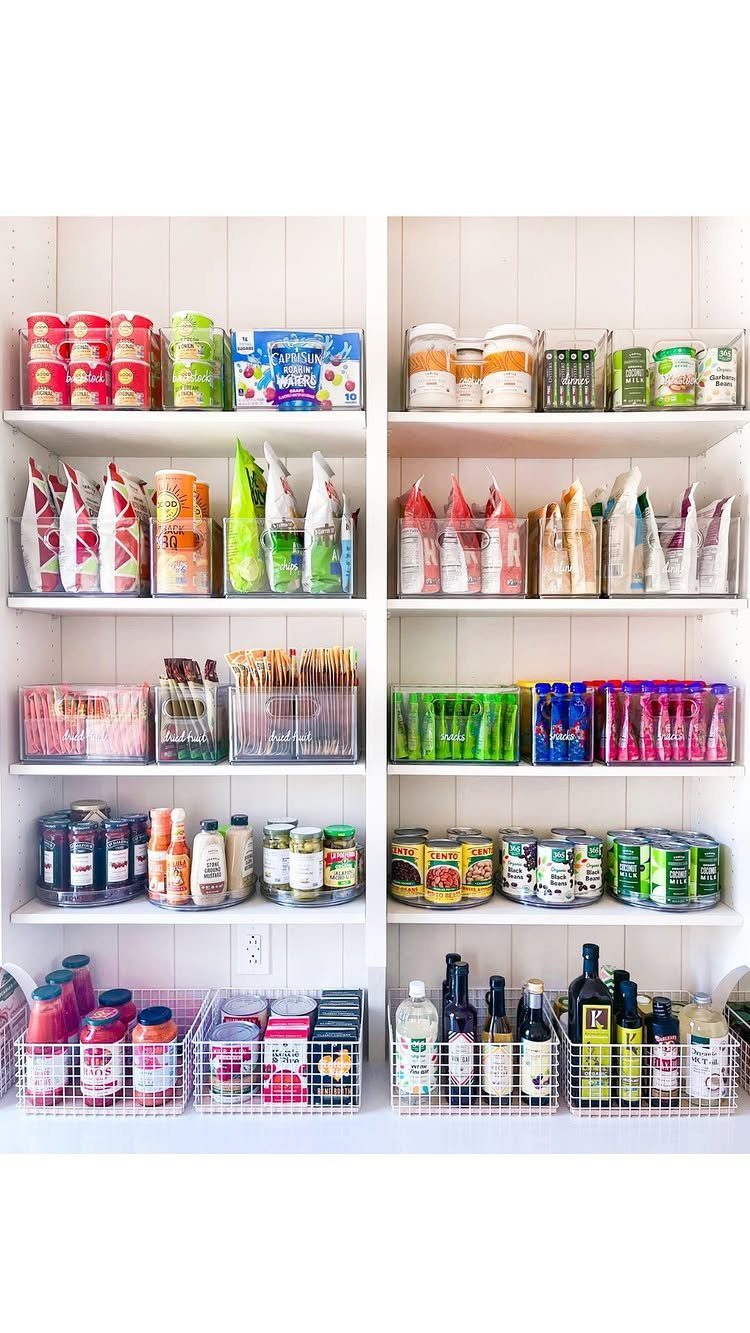
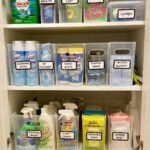
Clear bins turn pantry chaos into something you can read at a glance. I like them for anyone who buys the same staples repeatedly and forgets what they already have.
The size matters more than the brand.
I would measure my shelf depth first and buy bins that leave no wasted space behind them; standard pantry shelving is deep enough that a gap at the back is the first thing that kills your organization system.
Lazy Susans for jars and cans, wire baskets for bottles on the bottom where weight sits safest.
Check that your bins stack if you want tiers, and that the lip is easy to grip when your hands are full.
2. Plywood Shelves
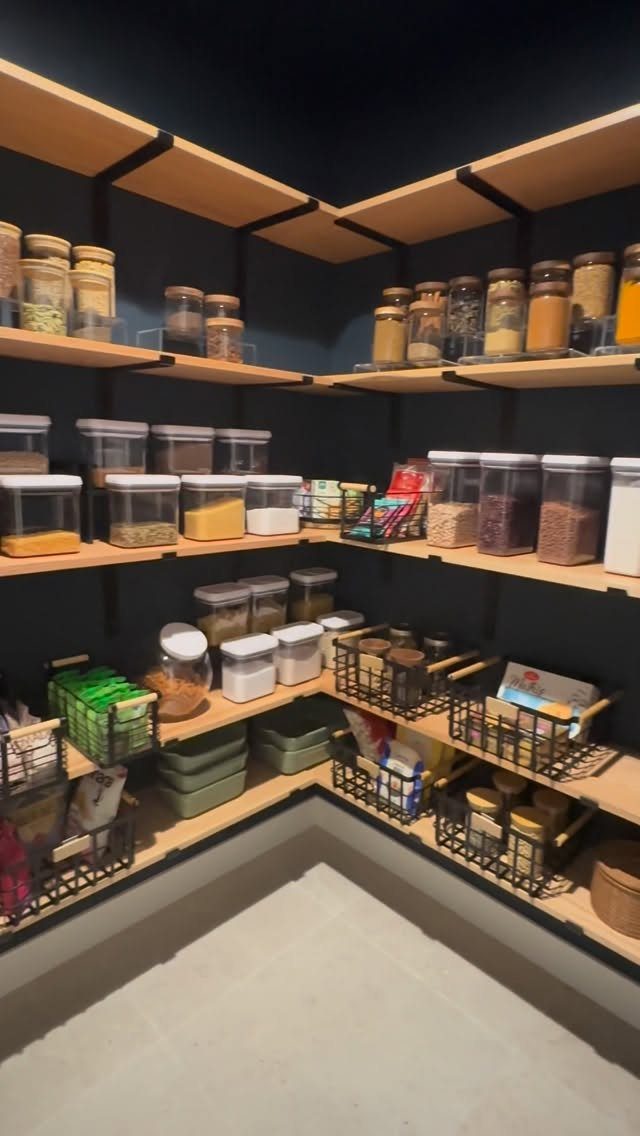
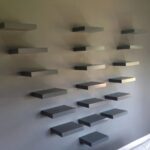
Floating plywood shelves with black metal brackets give a pantry the feel of a designed room rather than a closet afterthought.
I would use birch or maple plywood thick enough for the span; anything that flexes when you press on it will bow under a full load of jars and containers.
A wrap-around layout works because it uses every wall.
I would check my corners first: not all pantries have square angles, and floating shelves need flat mounting surfaces or they gap. Dark walls behind light wood read intentional, not accidental.
Brackets rated for a heavy load each are the minimum I would trust. The visible stock is heavy.
3. Contact Paper
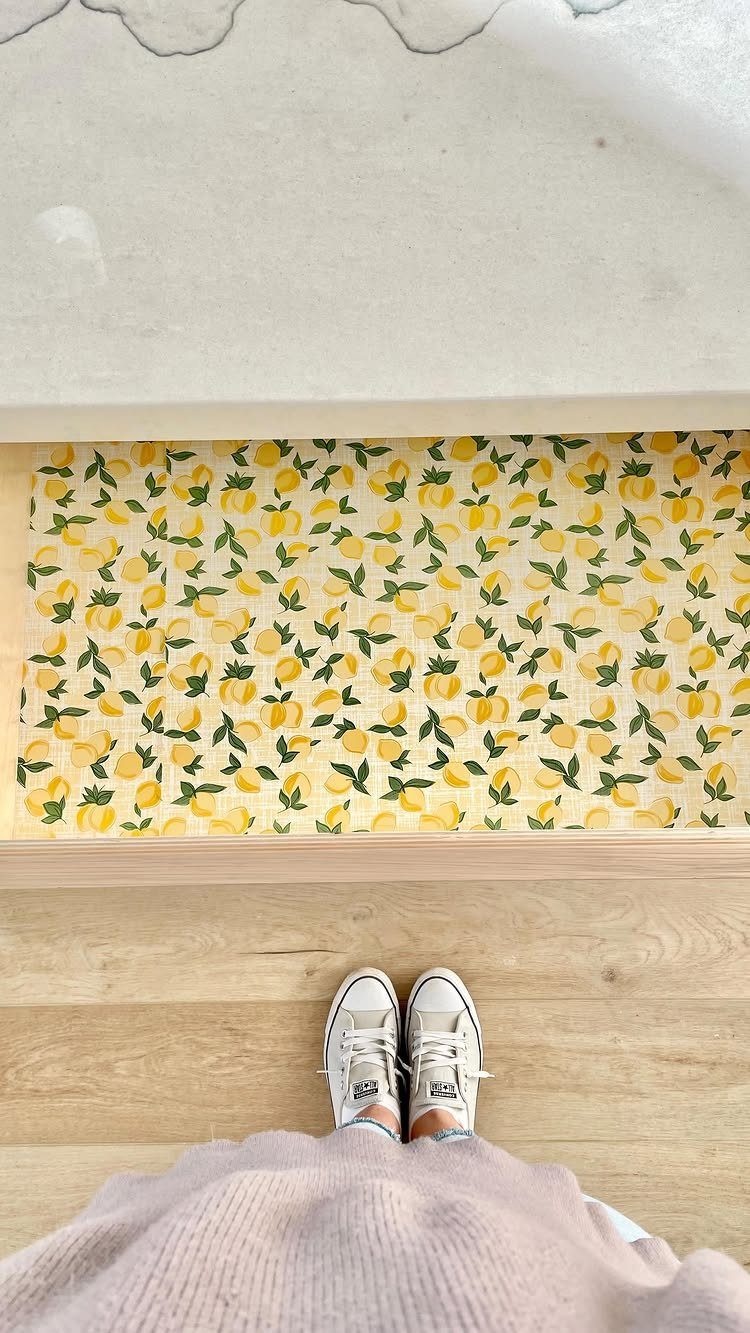
Contact paper is the fastest way to make a rental pantry feel kept rather than merely tolerated. A lemon pattern is cheerful without reading childish, which is the line I watch when I pick a print.
I would clean the shelf surface with rubbing alcohol first, not just wipe it down.
Any grease or dust left underneath telegraphs through and loosens the adhesive within weeks. A straight edge and a sharp utility blade matter more than patience; bubbles and crooked cuts are what make contact paper look cheap.
4. Butcher Block Countertop
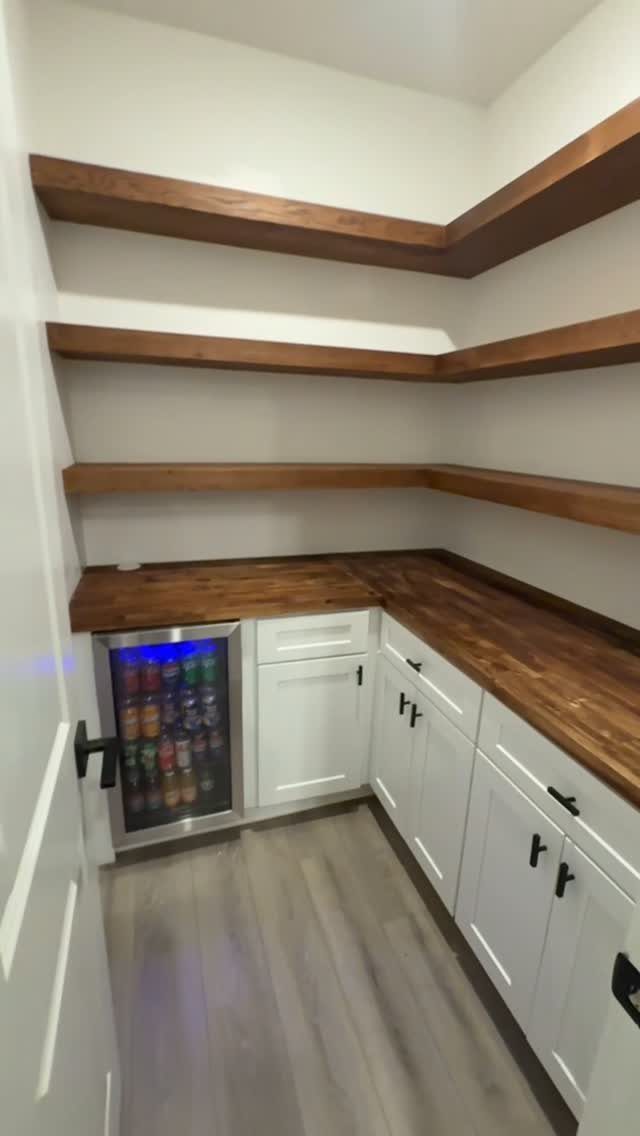
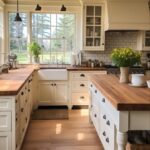
A butcher block surface turns a walk-in pantry from storage into a working room. I would want enough clear depth to make food prep comfortable; anything shallower and you are setting down groceries, not working on them.
I would seal the wood with food-safe mineral oil or a hardening oil like tung if the counter sees actual cutting; unsealed butcher block stains from coffee and citrus almost immediately.
Floating corner shelves in matching wood extend the usable surface without crowding the floor plan.
5. Accent Colors
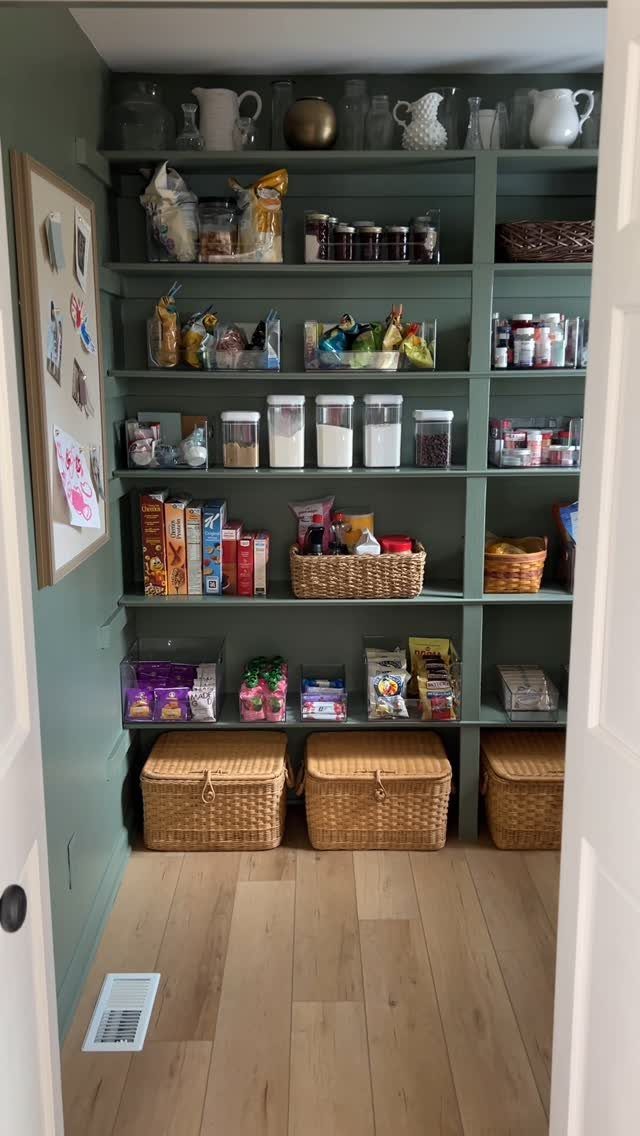
Sage green on pantry walls softens a room that can otherwise feel like a storage unit.
I would test the color in both morning and afternoon light before committing; greens shift dramatically and what reads calm in morning sun can turn institutional by late afternoon.
Built-in shelving painted the same color as the walls unifies the architecture and lets the food containers become the accent. Woven baskets warm up the palette and hide the items that do not deserve display.
I would keep the floor lighter than the walls to keep the space from feeling dug in, especially in a pantry without its own window.
6. Cafe Curtains
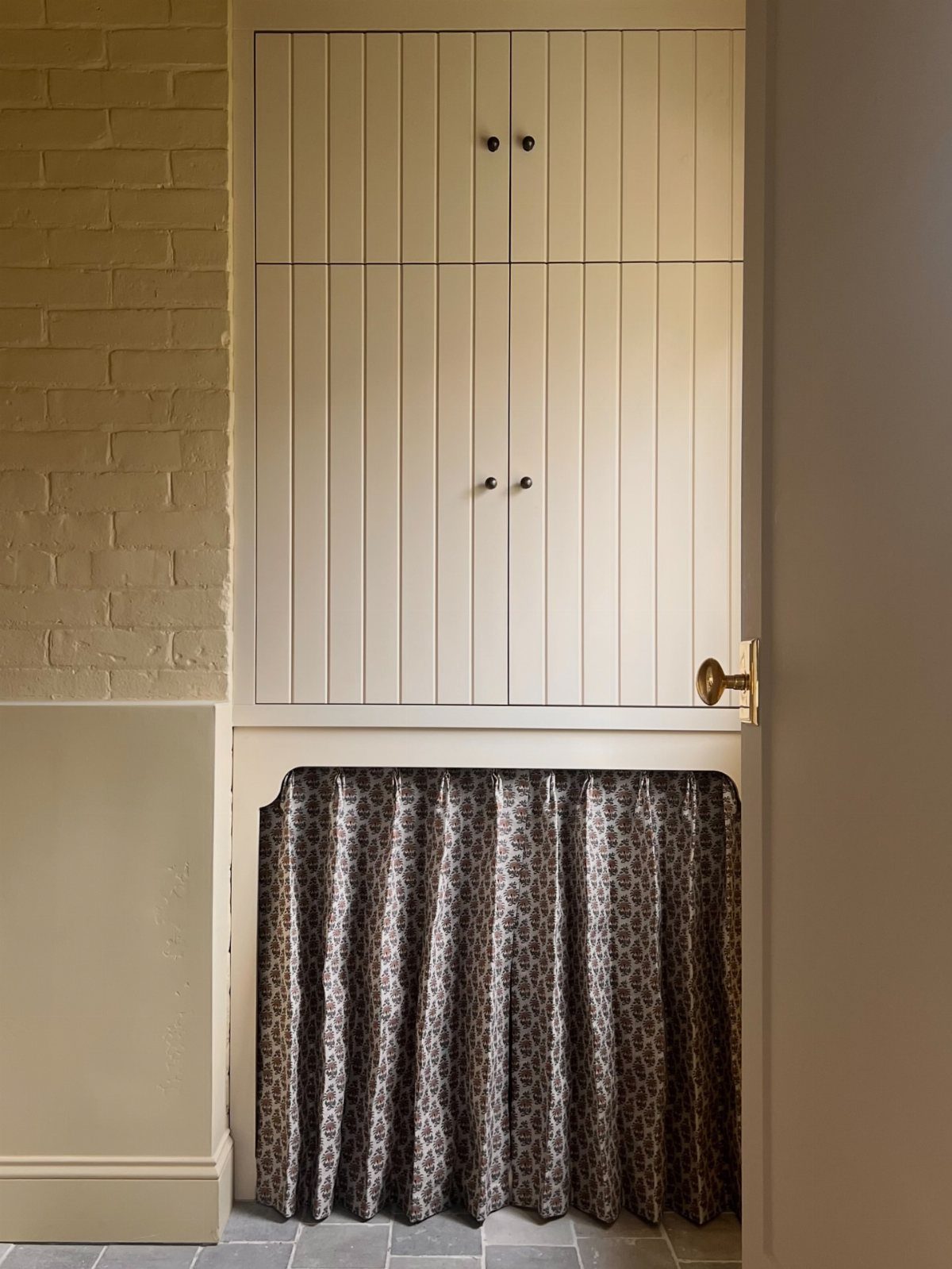
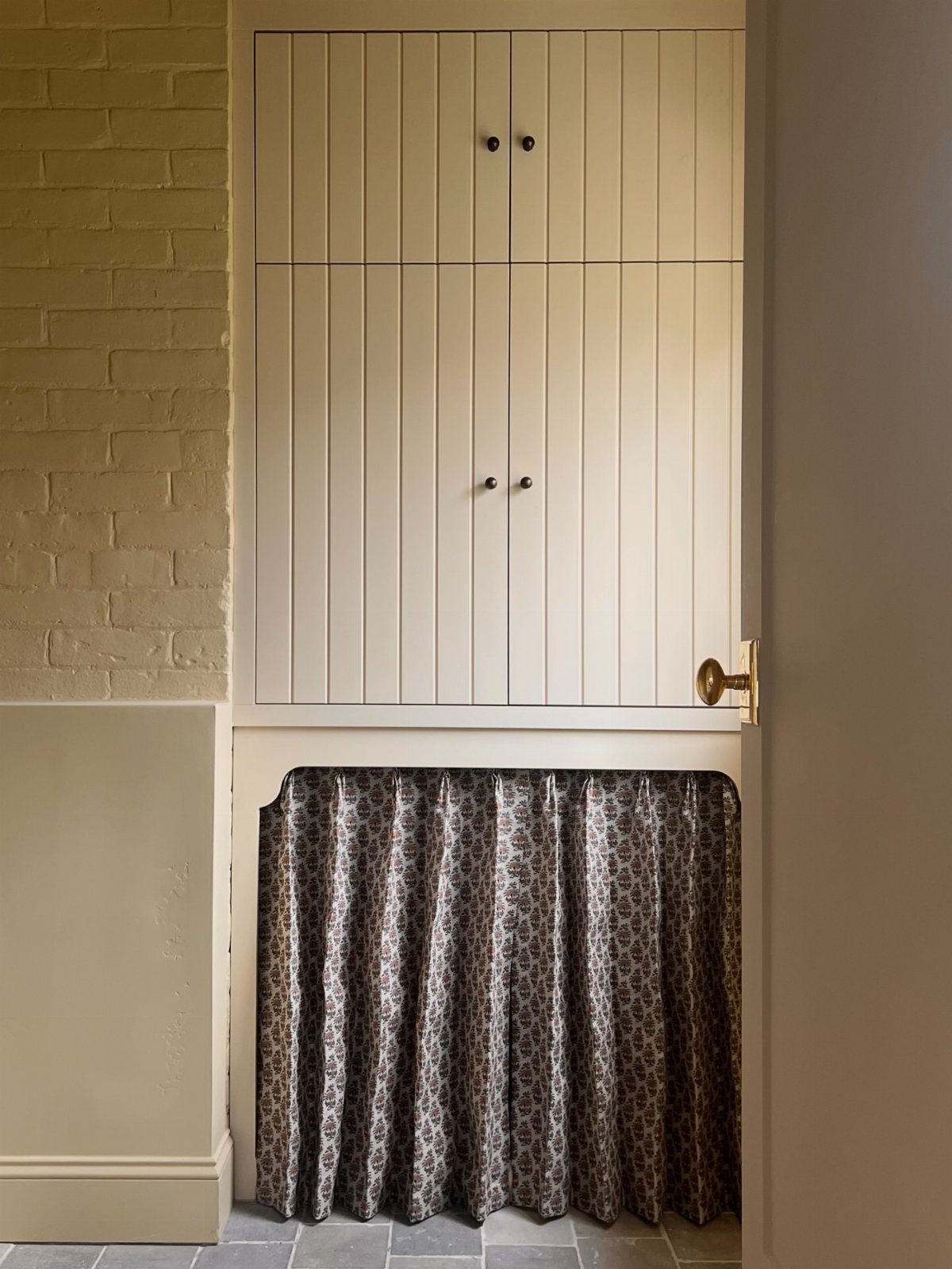
A cafe curtain on the lower half of a pantry opening hides clutter while keeping the upper cabinets visible and reachable. A bold print treats the pantry as a design moment, not a problem to solve with a solid sheet.
I would mount the rod just above the frame and let the hem brush the floor or sill, never float in midair.
Brass knobs on cream paneling give the curtain something to converse with; a plain white kitchen would need a different fabric choice or the effect turns costume.
The pleating is worth the extra cost: flat panels read curtain, pleated panels read intention.
7. Statement Lighting
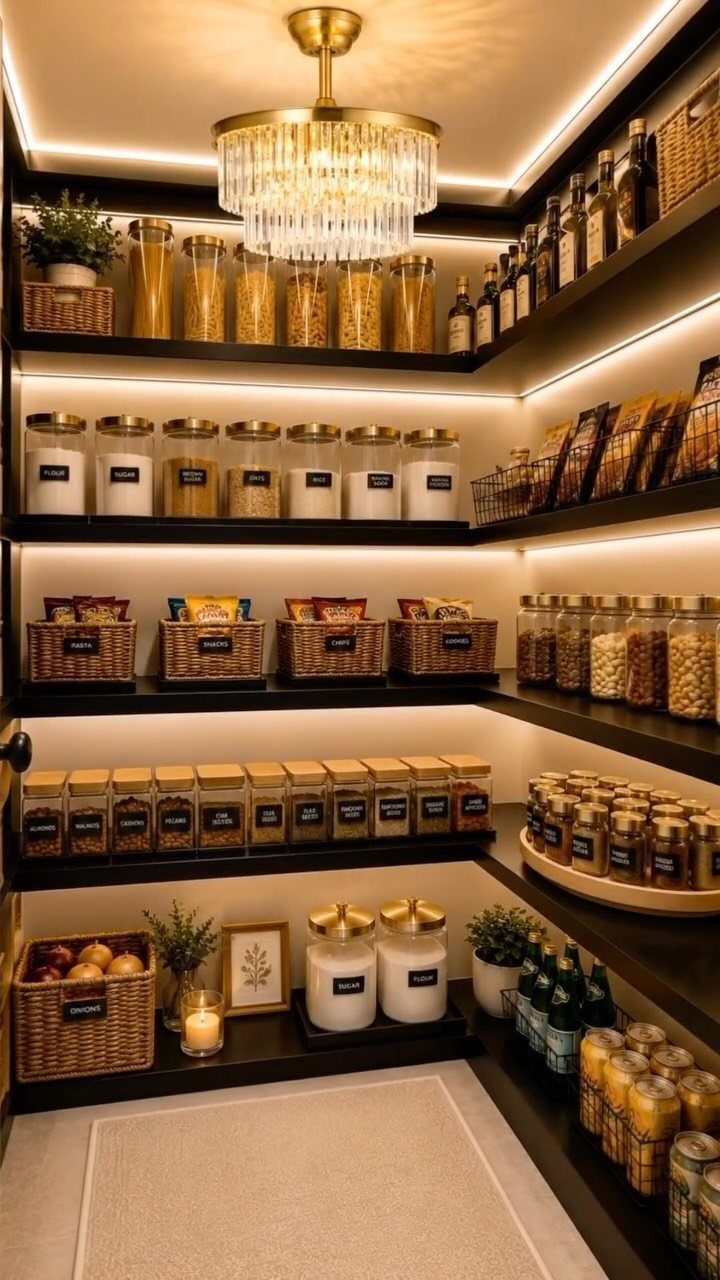
A chandelier in a pantry is a splurge that pays off if the room is visible from living spaces.
I would check my ceiling box first; a pantry often has only a surface-mount fixture rated for a few pounds.
Swapping in a proper brace and box for a heavy fixture is a job I would hire out unless I have done it before.
The shelf lighting is simpler: adhesive LED strips with a dimmer, plugged into an outlet rather than hardwired, so you can adjust the tone.
8. Floral Wallpaper Accent
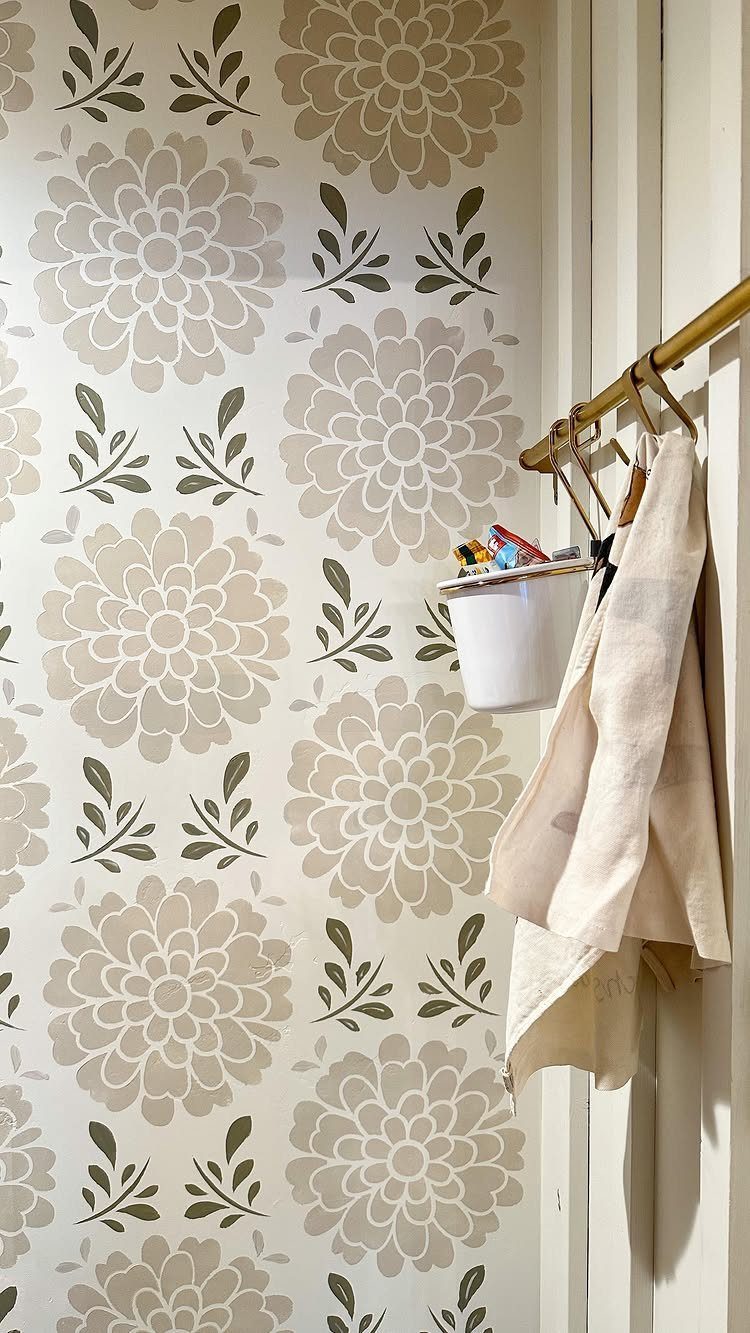
Floral wallpaper in olive and beige turns a pantry wall into something you notice on purpose.
I like it for a room that opens off a kitchen with too much white; the pattern adds depth without demanding attention the way a bright color would.
A brass rail with S-hooks extends the storage without drilling more holes in the wall, which matters in a rental.
I would hang items I reach for daily: aprons, a bucket of snacks, lightweight tools. The rail needs solid anchor points; pantry walls are sometimes thin, and a rail that pulls out takes the paper with it.
9. Matching Glass Jars
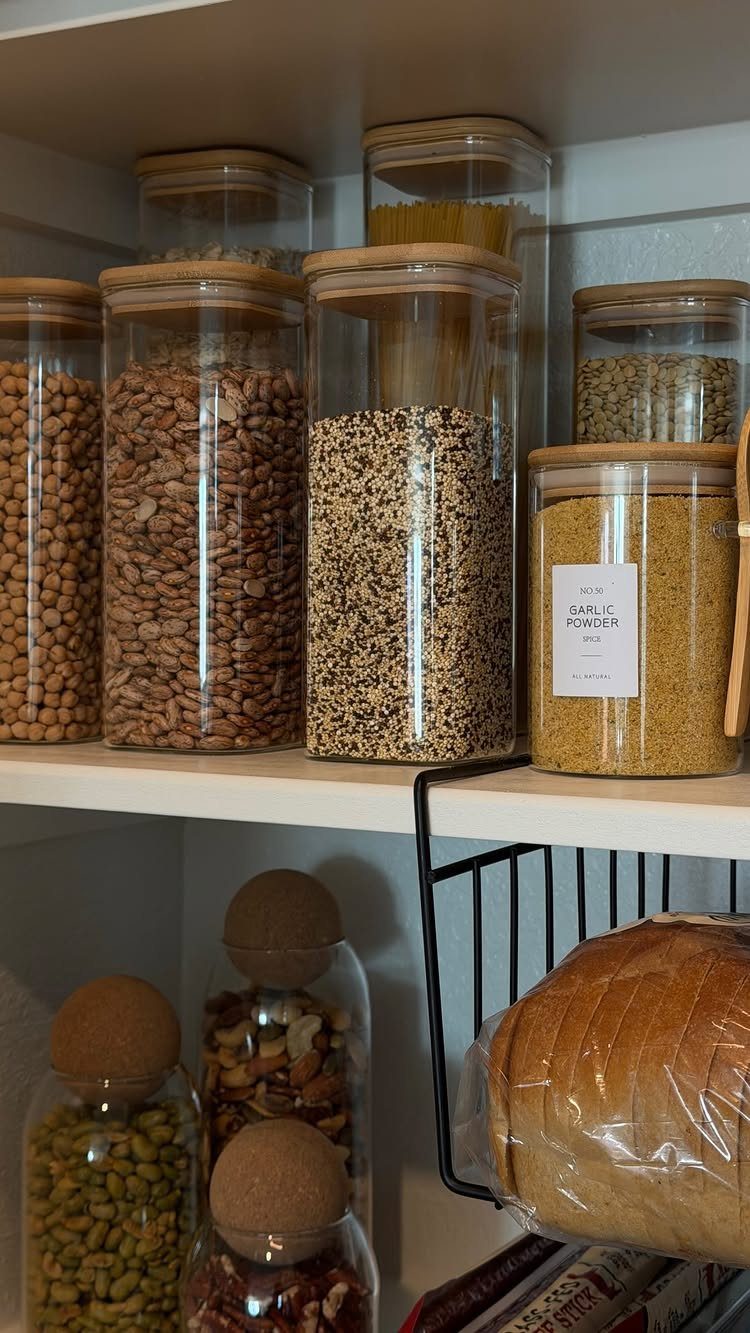
Matching jars with wooden lids give a pantry the quiet satisfaction of a lab or a shop.
I would decant grains, beans, and baking staples into them, leaving original packaging behind so labels stay legible and the shelf line stays clean.
Cork-ball jars soften the look of a full glass-jar wall; I use them for things I reach for less often and keep screw-top jars up front for daily items.
A basket hung under the shelf holds bread, which keeps it visible and reachable without sacrificing counter space.
I would buy jars in one batch from the same maker; slight differences in lid finish or glass tone read as mistake, not eclectic.
10. Wooden Produce Crates
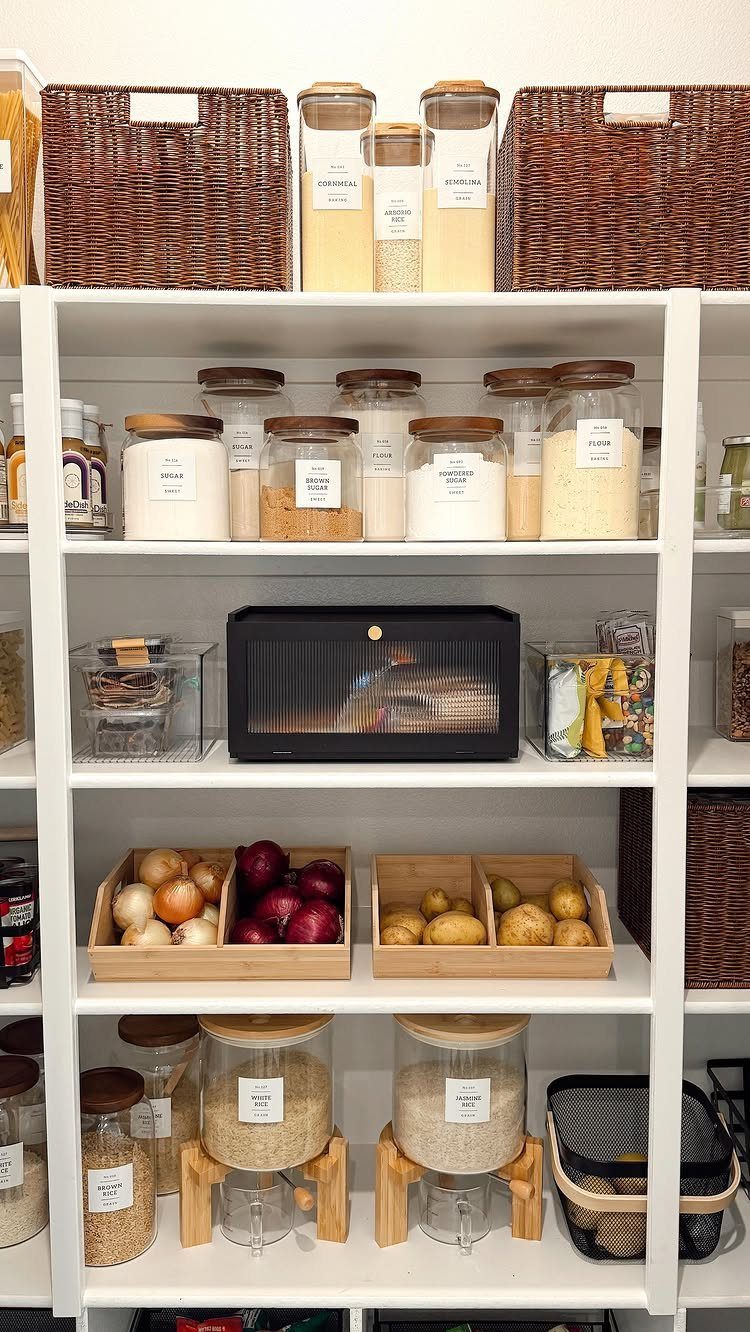
Wooden crates for onions and potatoes keep produce breathable and off the counter. I like the divided style here; it separates alliums from tubers, which slows sprouting.
The crates need slatted bottoms, not solid, or humidity collects and rots sets in from below.
I would check that my pantry stays cool and dark; a crate by a window or above the dryer is the wrong place for storage produce.
Woven baskets handle the dry goods and linens, and the black bread box keeps the color story from going too country.
Budget-friendly Solutions
A pantry overhaul does not need custom cabinetry to look intentional.
The cheapest gains come from working with what is already there: existing shelves lined with contact paper, a wire rack swapped for a brass rail with S-hooks, bins added before anything is rebuilt.
I would spend first on the containers that move every day, because that is where cheap fails first.
Thin plastic cracks at the corners; a bin that collapses when you lift it full of rice costs more in repetition than a better one once.
The same rule applies to brackets for plywood shelves: hardware rated below the load will sag and split the wall.
Paint is the exception where the budget version works fine.
A high-gloss finish in a pantry reads luxe because the light bounces, not because the can cost more. I would put the savings into a better brush and a second coat.
Maximizing Space
Vertical space in a pantry is usually half-wasted by deep shelves that swallow items whole.
Narrow shelves keep everything front-facing. Total volume drops, but I would rather see what I own than store more of what I forget.
Corners are the hardest square footage to use well.
A wrap-around plywood layout only works if the angles are actually square; many pantries are not, and floating shelves that gap at the wall read as mistake, not design. A framing square gets checked before anything gets cut.
A step stool or narrow ladder earns its floor space back immediately in a tall pantry.
I would rather give up depth at the base than lose the top third of every wall to inaccessibility. The same footprint with reachable shelves stores more than a towering stack of mystery boxes.
Personalization
A hand-painted mural is the most personal statement a pantry can carry, and the one I would skip unless I paint well enough to sign it.
A bad mural is not like a bad paint color; you cannot cover it in an afternoon.
Color coding the contents is cheaper and nearly as specific.
I would group by use, not by hue: breakfast items together, baking supplies in one zone, dinner components in another. The system becomes habit faster than a rainbow sort, and it survives a single off-brand purchase.
Gold hardware and a new light fixture are the details that signal intention in a plain room.
I would pick one metal and repeat it: the rail, the brackets, the knobs if there are doors. Mixed finishes in a small space look accidental, collected over years rather than chosen.
An herb garden in a pantry window is appealing until you consider the humidity and the soil. I would keep plants in the kitchen and let the pantry stay dry.
Frequently Asked Questions
How to make a pantry look pretty?
Paint, wallpaper, and hardware swaps do the heavy lifting without rebuilding anything. I would start with high-gloss paint in a color like sage green; the sheen bounces light around a room that usually has none.
What is the latest trend for pantries?
Right now I’m seeing a lot of shallow shelving that puts every item in view and cafe curtains softening the opening instead of a solid door.
Brass hardware and butcher block surfaces signal the same intention in a small footprint.
Is there a free tool I can use to design my pantry?
SketchUp is the free tool I would use for planning a pantry layout before buying anything.
It lets you check shelf spans, clearances, and corner angles in 3D; a framing square handles the same job on site, but SketchUp catches the problems while you are still on the couch.
I would measure twice and model once, especially for wrap-around shelving where square corners are rare.